
Featured Sri Lanka Infrastructure Solutions
Direct-from-factory high-performance composite profiles selected for immediate deployment across Colombo urban expansions, Galle maritime resorts, and Kandy highland architectural developments.
-
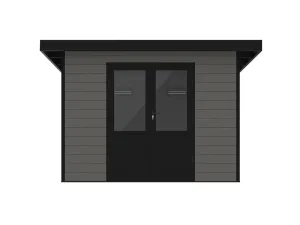 Heavy Security Monsoon ReadySri Lanka Spec: CeilingStar Premium Outdoor Storage Tool & Bike Shed with Lock
-
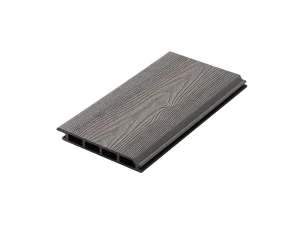 UV Class 5 Anti-Thermal WarpingSri Lanka Spec: PlaneSleek WPC Exterior Cladding Panels with UV Protection
-
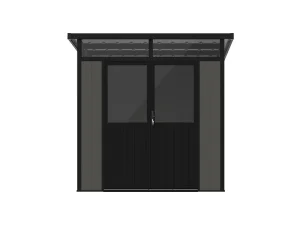 Compact Urban IP65 SealSri Lanka Spec: MiniStar WPC Outdoor Storage Shed with Lockable Door
-
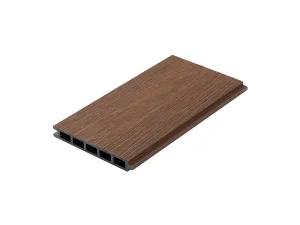 Zero Chemical Stain Termite ProofSri Lanka Spec: HorizonLine Wood Plastic Composite Low-Maintenance Fence Panels
Industrial Macro-Environment: The Sri Lankan Coastal & Tropical Challenge
Understanding why standard timber and generic construction polymers fail in South Asian maritime climates—and how molecular-engineered co-extrusion solves the life-cycle dilemma.
Saline Aerosol & Marine Rust
In beachfront hospitality epicenters like Bentota, Mirissa, and Trincomalee, airborne sea salt rapidly pits raw metals and degrades standard composite resins. Our capped composites utilize inorganic, anti-leaching stabilizing polymers that prevent crystalline salt expansion and surface delamination.
Southwest & Northeast Monsoons
Sri Lanka experiences dual monsoon cycles that subject exterior envelopes to cyclical flash torrential rainfall followed by scorching equatorial ultraviolet exposure. Conventional timber experiences severe fiber warping, cracking, and rot. Our WPC formulation maintains water absorption parameters under 0.5%.
Subterranean Termite Pressures
Tropical bio-vectors represent the leading risk factor for wood-based architectural installations across Sri Lanka. By encapsulating cellulose fibers within dense, food-grade HDPE polymeric barriers, Forestar products eliminate all bio-attractants, rendering the profiles immune to pest infestation.
Engineering Rigor for Sri Lankan Commercial Tenders
Institutional property developers, luxury hotel chains, and governmental infrastructure bodies require verifiable documentation over subjective marketing claims. Forestar operates a vertically integrated testing lab verifying structural modulus, fire ratings, and accelerated aging metrics.
- EN 13501-1 Reaction-to-Fire Classification: B-fl s1 certified for public assembly venues, high-rise balconies, and interior lobby claddings.
- ASTM D7032 Structural Modulus: Rigorous flexural loading tests proving dimensional stability across extreme spans under commercial foot traffic.
- ISO 4892-2 Xenon Arc Weathering: Delta E color deviation < 2.5 after 3,000 continuous hours of high-irradiance tropical UV exposure.
| Evaluation Parameter | Forestar High-Spec WPC | Traditional Timber (Teak/Balau) |
|---|---|---|
| Moisture Absorption (24hr immersion) | < 0.42% (Hydrophobic) | 18.0% - 32.0% (Swells) |
| Annual Surface Maintenance | Zero Staining / Water Rinsing | Mandatory Sanding & Polyurethane |
| Pendulum Slip Resistance (Wet) | PTV 36+ (Low Slip Hazard) | PTV 18 - 24 (High Fall Risk) |
| Resistance to Termites & Borer Insects | 100% Non-Edible Matrix | Degrades Without Toxic Biocides |
| Thermal Expansion Index | ≤ 35 × 10−6 K−1 | Anisotropic / Unpredictable Warp |
Co-Extrusion Engineering: The 360° Protective Shell
How Forestar solves the common failure points of generation-one composite materials through our proprietary multi-layer extrusion chemistry.
Modified Fluoropolymer Shield
The external capping incorporates automotive-grade UV stabilizers and antioxidants cross-linked into high-density polyolefin. This creates an impenetrable boundary against sunscreens, tanning oils, red wine, curry spills, and bird droppings common in outdoor hospitality.
Engineered Circular Core
The core combines reclaimed hardwood micro-fibers, classified by mesh size to ensure uniform density, blended with recycled HDPE sourced from industrial clean streams. This delivers superior compressive rigidity without brittle structural failure.
Hidden Fastener Substructure System
Thermal movement is accommodated mechanically. Our heavy-duty 304/316 marine-grade stainless-steel clip systems guarantee constant lateral expansion gaps while remaining invisible, eliminating surface screw penetration holes where water can pool.
R&D Roadmap: Sustainable Architectural Innovation
Forestar's forward-looking technology initiatives aligning with global decarbonization directives and Sri Lanka's Net Zero and Green Building Council goals.
CoolTouch™ Heat Dissipation
Integration of infrared-reflective pigments in cap layers, decreasing surface absorption temperatures by 8–12°C in equatorial sunlight conditions.
Bio-Derived Polymer Resins
Replacing standard polyethylenes with agricultural-byproduct bio-polymers to achieve a cradle-to-gate carbon-negative footprint for outdoor facades.
Embedded IoT Strain Sensors
Piloting smart deck boards with micro-sensors to provide continuous deflection and moisture data for high-capacity public civil boardwalks.
Closed-Loop Reclamation
Establishing localized post-use take-back programs in South Asia, remanufacturing end-of-life composite boards into new architectural building profiles.
Streamlined Port-to-Site Logistics for Sri Lankan Ports
Direct container handling protocols optimized for the Port of Colombo and Hambantota International Port, engineered to minimize dwell time and tariff complications.
Sri Lanka Customs & Tariff Alignment
Complete documentation provided, including verified Certificate of Origin (Form), detailed HS code classifications (3925 / 3918 / 3926), clean bills of lading, and pre-shipment SGS inspection reports to ensure immediate green-channel clearance at Colombo port customs.
Tropicalized Export Packaging
To eliminate sea-container condensation damage (container rain) during equatorial transit across the Indian Ocean, our cargo utilizes heavy gauge heat-shrink polyethylene wrapping, corner protectors, reinforced fumigated timber pallets, and industrial desiccant arrays.
Site-Ready Installation Assistance
Forestar furnishes comprehensive digital CAD layout drawings, load-bearing joist calculation tables, and localized technical manuals for MEP engineers and landscape contractors across Colombo, Negombo, and Hambantota.
Frequently Asked Questions by Sri Lankan Procurement Officers
Direct answers covering commercial MOQs, thermal behavior, lead times, and structural warranties.
Our capped decking lines incorporate specialized IR-reflective coatings that deflect thermal radiation. While all exterior surfaces absorb ambient heat, Forestar boards remain within comfortable barefoot touch ranges, comparable to treated teak and substantially cooler than unshielded PVC or natural granite stone.
For standard profiles and catalogue colors, our baseline factory MOQ is a single 20-foot general cargo container (approx. 800–1,000 square meters of decking or cladding). Custom architectural dimensions and bespoke RAL color matching require an MOQ of 1,500 square meters. Production timelines average 14 to 21 working days.
Yes. One of Forestar's key advantages is comprehensive factory production across four distinct outdoor lines. Importers can combine WPC decking boards, exterior cladding slats, composite fencing, and flat-packed modular garden sheds in a single 40ft HQ container to maximize capital efficiency.
We provide an official 15- to 25-year commercial warranty that covers rot, fungal decay, structural cracking, and excessive fading even when installed directly adjacent to marine bodies, conditioned on proper substructure drainage and recommended fastener installation.
Factory-Direct High-Demand Profiles for Sri Lanka
Browse our full range of certified high-spec profiles available for bulk procurement, commercial distribution, and containerized dispatch.
-
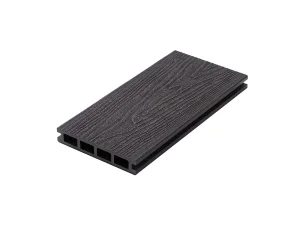 Resort Pool Spec Anti-Slip R11Sri Lanka Poolside: Waterproof UV Resistant Composite Decking EclipseGrain
-
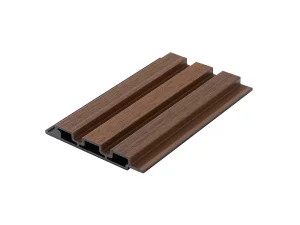 Architectural Siding Zero PaintSri Lanka Facades: CrestWall Wood Plastic Composite Wall Siding
-
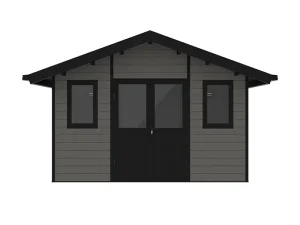 Highland Spec Cyclonic Wind ClassSri Lanka Weatherproof: Heavy Load Rated Waterproof Garden Shed & Storage
-
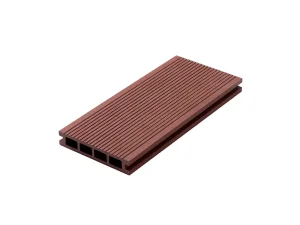 Commercial Marina Deep WoodgrainSri Lanka Boardwalks: TimberFlow WPC Decking Boards with Anti-Slip Surface
-
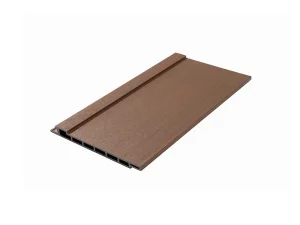 Villa Cladding Aesthetic ScreenSri Lanka Luxury Villas: Forestar SlatWeave Waterproof Composite Deck Cladding
-
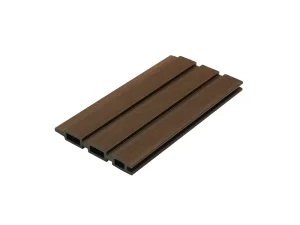 Hidden Clips High Perimeter PrivacySri Lanka Estates: Privacy Fencing with Hidden Fasteners
-
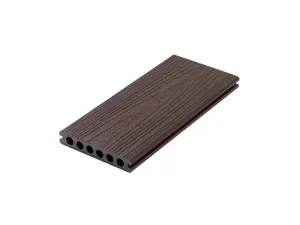 TerraShield 360 Capped Stain ResistantSri Lanka Commercial: TerraShield Low Maintenance WPC Decking
-
Modular Boundary WeatherproofSri Lanka Boundary: HorizonLine Wood Plastic Composite Fence Panels
Initiate Your Sri Lanka Sourcing Consultation
Connect with our dedicated South Asian export engineering desk for instant price quotations, CIF Colombo shipping schedules, and comprehensive architect sample folders.
Send Inquiry Now