
High-Performance Exterior Systems Serving New Zealand
Premium co-extruded architectural solutions specifically configured for Auckland, Christchurch, and Wellington climatic variance.
-
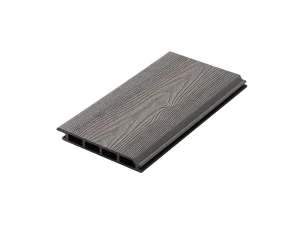 PlaneSleek WPC Exterior Cladding Panels with UV Protection for Durable Outdoor Use (NZ Spec)
-
PlaneSleek Architectural WPC Cladding Panels - UV Stabilized for New Zealand Coastal Environs
-
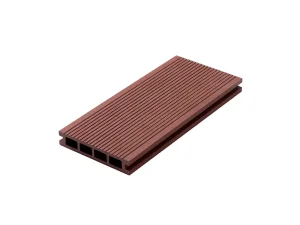 TimberFlow Heavy-Duty WPC Decking & Perimeter Boards - Anti-Slip Profile for NZ High-Moisture Climates
-
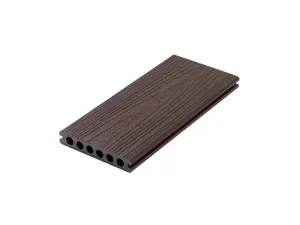 TerraShield Ultra-Capped Low Maintenance Wood Plastic Composite Decking & Framing Interfaces
New Zealand Fencing & Outdoor Composite Industry Whitepaper
A comprehensive technical evaluation for Kiwi commercial developers, regional councils, merchant importers, and civil infrastructure partners.
1. New Zealand Market Landscape: The Shift Away from Chemical Pine
The New Zealand fencing and outdoor structural envelope market has historically been dominated by pressure-treated softwoods, predominantly Pinus radiata treated with Copper Chrome Arsenate (CCA) or alkaline copper quaternary (ACQ). While chemically treated radiata pine has traditionally satisfied low-cost initial procurement metrics, local asset managers, commercial body corporates, and urban residential communities across Auckland, Canterbury, and the Bay of Plenty are facing severe structural bottlenecks. In New Zealand's harsh maritime climate, micro-cracking, severe cupping, fungal rot from sustained soil moisture, and periodic leaching of biocides present significant ongoing maintenance and environmental liabilities.
Furthermore, New Zealand experiences unique solar radiation characteristics due to an elliptical orbit around the sun during the Southern Hemisphere summer and clear atmospheric conditions with low ozone layer absorption. Peak UV index figures routinely exceed 12 to 14 across the North Island. Under this severe UV exposure, organic polymers break down, and conventional timber loses its lignin matrix within 18 months, causing rapid bleaching and splintering. Modern Wood-Plastic Composites (WPC) manufactured under precision co-extrusion standards represent the vital structural evolution for New Zealand, eliminating timber recoating cycles while providing complete resistance to salt spray corrosion in zones defined under NZS 3604 (Atmospheric Exposure Zones C and D).
2. Global Macroeconomic Trends: Circularity and Decarbonization
Globally, civil infrastructure and residential perimeter developers are migrating towards closed-loop circular composites. In the European Union and North America, stringent Environmental Product Declarations (EPDs) and embodied carbon limits have pushed traditional treated lumber and high-maintenance vinyl fencing toward higher value composite matrix formulations. Wood-Plastic Composite represents the pinnacle of this lifecycle paradigm: by diverting post-industrial wood processing flour and post-consumer recycled polyethylene (HDPE) from landfills, advanced composites provide a carbon-sink alternative that does not sacrifice mechanical stiffness or flexural elasticity.
According to global building material forecasts, composite fencing and exterior panel systems are expanding at an estimated CAGR exceeding 8.4% through 2032. The demand trajectory is fundamentally driven by high institutional labor costs: in developed economies such as New Zealand, Australia, and Western Europe, the cost of re-staining, sanding, and structural remediation surpasses the primary material procurement capital expenditure within five to seven years. Specifying high-density, low-maintenance WPC effectively eliminates operational maintenance budgets.
NZBC Durability Compliance
Engineered to satisfy New Zealand Building Code B2 Durability parameters, ensuring an in-service life expectancy exceeding 15 to 25 years without degradation under extreme coastal salt damp.
Photostabilized Core & Cap
Multi-layered UV stabilizers (Hindered Amine Light Stabilizers - HALS) bonded directly into the protective polymer cap prevent photodegradation and color-fading even under NZ UV Index 13+ levels.
Zero-Absorb Swelling Matrix
Moisture absorption rated beneath 0.5% protects against the saturated winter soil conditions of Waikato and South Island frost-heave cycles, preventing warp and delamination.
3. Chinese Manufacturing Efficiency & Supply Chain Resilience
For New Zealand importers, hardware distribution networks (such as Carters, ITM, and Placemakers suppliers), and civil construction firms, supply chain consistency is essential. Operating from China’s advanced industrial manufacturing clusters, our production facilities in Xuancheng, Anhui (Anhui Fumeida New Material Technology Co., Ltd.) offer distinct engineering and volumetric efficiencies:
- Automated Precision Extrusion: Modern twin-screw extruders regulate thermal profiles to ensure uniform polymer melt crystallization, optimizing linear tensile strength and mitigating post-installation deflection.
- Consolidated Container Optimization: Kiwi buyers eliminate shipping inefficiencies by consolidating decking profiles, fencing slats, cladding boards, and modular sheds inside a single 40ft High Cube container, dramatically lowering landed freight overhead per cubic meter.
- Continuous Quality Verification (QA/QC): Complete in-house testing for density, pendulum slip resistance (AS/NZS 4586 compliance), flexural modulus of rupture (MOR), and accelerated weatherometer aging (QUV testing).
| Performance Criteria | Forestar WPC Co-Extruded System | CCA Treated Radiata Pine (H3.2/H4) | Galvanized / Painted Steel |
|---|---|---|---|
| UV Photostability (NZ Sunlight) | Ultra-High (Capped HALS Formulation) | Poor (Micro-cracking & Grey Bleaching) | Moderate (Chalking & Paint Peel Over Time) |
| Coastal Salt Air Resistance (Zone D) | Impervious (Zero Oxidation / Corrosion) | Moderate (Fastener Failure via Tannin/Salt) | Corrosion Risk at Cut Edges/Scratches |
| Moisture Absorption / Swelling | <0.5% (Dimensional Structural Stability) | 12% - 25% (Seasonal Warping & Splitting) | 0% (Non-porous) |
| Maintenance Overhead | Zero Sealing, Oiling, or Painting Needed | Mandatory Annual Oiling / Biocide Wash | Regular Touch-ups & Corrosion Washing |
| Environmental Safety & Circularity | Up to 90% Recycled Raw Feedstock, Heavy-Metal Free | Chemical Leach Hazards (Arsenic/Chromium) | High Energy Smelting Embodied Carbon |
4. Localized Application Scenarios Across New Zealand
Forestar’s specialized WPC formulations are engineered to fulfill four dominant commercial use-cases across New Zealand's diverse geographies:
- High-Density Residential Boundary Screening (Auckland & Tauranga): Urban intensification mandates under the Medium Density Residential Standards (MDRS) require durable privacy screens that deliver acoustic dampening and modern architectural finishes without encroaching on boundary setbacks.
- Coastal Esplanades & Marine Boardwalks (Wellington & Coromandel): High wind velocities and hyper-saline winds destroy inferior metals and soft timbers. Our high-slip-resistance WPC boards offer safe pedestrian movement in sub-zero to temperate conditions.
- Alpine Resorts & High-Freeze Inland Zones (Queenstown & Central Plateau): Extreme diurnal temperature fluctuations cause traditional timber to shatter through internal water expansion. Forestar’s closed-cell capped shell protects the core against freeze-thaw cracking.
- Public Council Parks & Civil Works: Low graffiti adhesion and rot resistance ensure minimum taxpayer expenditure for perimeter security and civic park borders.
Ready to Scale Your New Zealand Outdoor Product Supply?
Partner directly with Anhui Fumeida New Material Technology Co., Ltd. for factory-direct container shipments, OEM profile engineering, and localized certification testing documentation.
Send Inquiry Now - Request NZ Project PricingFrequently Asked Questions for Trade Buyers & Importers
Expert answers addressing customs logistics, New Zealand building codes, structural wind loadings, and OEM manufacturing.
How do Forestar WPC fencing and decking systems withstand New Zealand's intense UV radiation?
Are these composite fencing and decking materials compliant with the New Zealand Building Code (NZBC)?
What are the structural span capabilities and wind load ratings for composite fencing in high-wind NZ zones?
Can New Zealand distributors and merchant chains request OEM custom dimensions, profiles, and packaging?
What is the lead time and shipping turnaround for full container loads (FCL) to New Zealand?
High-Spec WPC Architectural Systems for Export
Review the comprehensive system lineup of low-maintenance decking, secure storage, and weather-resistant cladding solutions.
-
TimberFlow High-Traction WPC Decking Boards for New Zealand Commercial Pools & Terraces
-
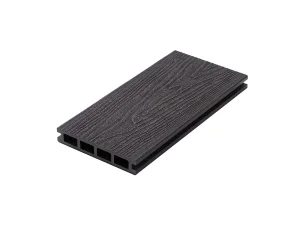 Eclipse Grain 100% Waterproof UV Resistant Composite Decking for Kiwi Residential Coastal Properties
-
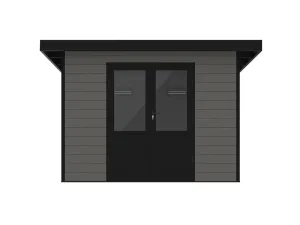 Engineered Weatherproof Outdoor Storage Shed for Tools & Bikes - Lock-Integrated Security System
-
TimberFlow Slip-Resistant Marine-Grade WPC Deck Boards - Factory Direct Bulk Export Container Rates
-
Heavy-Duty Modular WPC Outdoor Storage Tool & Bike Shed - Flat-Pack Kit for Easy NZ Site Assembly
-
PlaneSleek UV-Resistant Architectural Cladding - Contemporary Urban Façade Panels for Modern Villas
-
EclipseGrain High-Impact Waterproof Poolside Decking Boards - Engineered for High-Traffic NZ Hospitality
-
TerraShield Zero-Splinter Low-Maintenance WPC Decking Systems - Direct Commercial Procurement