
High-Performance Composite Profiles Tailored for Manila Projects
Engineered for high dimensional stability against extreme monsoons, salt-laden marine air around Manila Bay, and persistent tropical solar UV exposure.
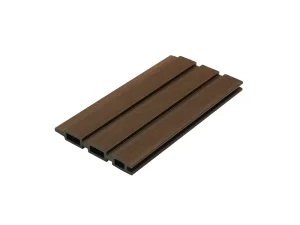
Manila SecureShield WPC Privacy Fencing
Hidden-fastener modular perimeter system resisting 200+ km/h typhoon gusts in coastal and high-rise developments.
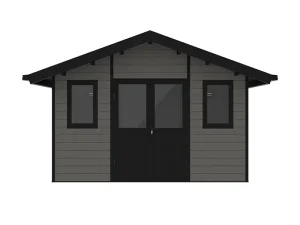
Manila Metro All-Weather Outdoor Storage Shed
Heavy-load structural framework engineered for severe precipitation, thermal roof expansion, and watertight storage integrity.
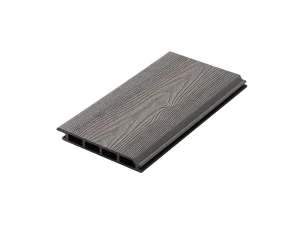
PlaneSleek UV-Shield Exterior Façade Panels
Nano-fluoropolymer capped wall cladding providing Delta-E < 2.0 color retention against intense tropical UV radiation.
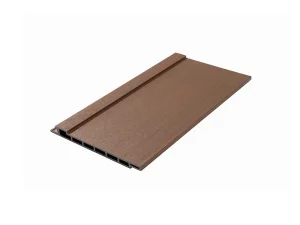
HydroGuard Marine Composite Deck & Cladding
Zero-swelling co-extruded profile with 0.15% water absorption rate, ideal for pool decks, boardwalks, and sky terraces.
Macro-Economic Expansion and Architectural Realities in Metro Manila
The Greater Capital Region of Metro Manila—spanning key growth hubs including Bonifacio Global City (Taguig), the Bay City Entertainment Complex (Pasay/Parañaque), Makati Central Business District, and expanding peri-urban enclaves across Nuvali and New Clark City—is undergoing an unprecedented boom in mixed-use commercial, ultra-luxury residential, and waterfront hospitality construction. With this urban expansion comes an acute material challenge: the severe Philippine tropical marine environment.
Under the Philippine Atmospheric, Geophysical and Astronomical Services Administration (PAGASA) Type I and Type II classifications, Metro Manila experiences extreme cycles of high humidity (consistently exceeding 85% RH during monsoon season), alternating with scorching ambient solar indices where black-bulb surface temperatures easily surpass 65°C. Traditional construction timbers—such as local Yakal, Narra, or imported pressure-treated pine—suffer catastrophic structural breakdown within 24 to 36 months due to subterranean termite infestations (Coptotermes gestroi), rapid micro-fracturing from moisture sorption-desorption hysterics, and accelerated fungal decay (brown and white rot).
As sustainability regulations intensify and local forestry bans enforce rigid restrictions on indigenous timber felling, real estate developers, landscape architects, and general contractors throughout Metro Manila are transitioning toward high-density Wood-Plastic Composite (WPC) decking and cladding systems. However, standard entry-level composite boards frequently suffer from core thermal expansion, edge curling, and cap-layer delamination when subjected to Manila Bay's combination of airborne chlorides and extreme UV degradation. Forestar solves these structural deficiencies through advanced polymer chemistry and targeted co-extrusion engineering.
Precision-Engineered for Key Architectural Applications in Greater Manila
From waterfront commercial promenades to high-altitude luxury sky decks, Forestar composite profiles satisfy the most rigorous engineering constraints.
Manila Bay Coastal Resorts & Boardwalks
Projects across the Bay City reclamation districts face extreme airborne salt spray and continuous tidal humidity. Forestar’s 360° fully encapsulated co-extruded boards eliminate salt-induced chemical pitting, board rotting, and fastener corrosion via marine-grade stainless concealed clip assemblies.
BGC & Ortigas High-Rise Rooftop Terraces
Rooftop dining terraces and infinity pool lounges in Bonifacio Global City encounter extreme wind shear and strict fire code requirements. Our heavy-duty solid and circular-core profiles feature Class B1/Class A flame spread indices and engineered clip systems rated against category-5 typhoon vortexes.
Alabang & Nuvali Luxury Residential Enclaves
Private villas in gated communities require flawless natural hardwood aesthetics without the crushing upkeep of tropical teak or bangkirai. Forestar delivers patented deep-embossed grain textures that remain cool underfoot, non-slip when soaked by sudden monsoons, and 100% splinter-free.
Technical Roadmap: 3rd-Gen Multi-Polymer Matrix vs. Conventional WPC
Traditional first-generation composite decking blends uncapped wood flour and polyethylene, leaving raw cellulose fibers exposed to ambient humidity. In Manila's equatorial climate, this uncapped structure quickly acts like a sponge, leading to internal core mold colonization, structural swelling up to 8% volumetric mass, and micro-cracking within two seasons. Forestar implements a proprietary 3rd-Generation Co-Extrusion Shield Technology that permanently isolates structural fibers from ambient stress.
1. 360-Degree Symmetrically Capped Outer Shell
Unlike three-sided capped alternatives that leave board bottoms vulnerable to ground vapor evaporation, Forestar coats all four sides and the inner fastener channels in a high-density, modified polyethylene-acrylic elastomer shell. This barrier provides impervious defense against water penetration, red wine/oil staining, and tropical insect infestation.
2. Infrared Reflective "Cool-Step" Nano-Pigment Architecture
Solar heat absorption in standard dark composite boards can drive surface temperatures above 70°C in tropical sun, causing thermal blistering and making barefoot walking unbearable. Forestar incorporates reflective metal oxide pigments that scatter near-infrared (NIR) solar radiation, decreasing heat retention by 10°C to 15°C compared to conventional composites.
3. Zero-Microplastic Eco-Circular Matrix
Our structural core integrates 60% kiln-dried, refined hardwood fibers sourced from sustainable industrial off-cuts and 30% recycled high-density polymers (rHDPE). The blend is stabilized with non-toxic zinc borate biocide compounds and coupling compatibilizers, achieving an elastic modulus exceeding 2800 MPa while preventing brittleness across continuous thermal cycling.
| Performance Parameter | Forestar 3rd-Gen WPC | Treated Local Hardwood (Yakal/Ipil) | Standard 1st-Gen Composite |
|---|---|---|---|
| Moisture Absorption (ASTM D570) | < 0.2% (Impermeable) | 18.0% - 28.0% (Severe Swelling) | 2.5% - 4.5% (Capillary Absorption) |
| Termite & Borer Resistance | 100% Inert (Zero Nutritional Value) | Vulnerable to Coptotermes Gestroi | Moderate (Core fungal breakdown) |
| UV Accelerated Weathering (QUV 3000h) | Delta-E < 2.0 (Virtually Unchanged) | Severe Greying, Splitting, Warping | Delta-E > 6.5 (Noticeable Fading) |
| Typhoon Wind Uplift Resistance | Engineered Clip System (>5.2 kPa) | Subject to Screw Pull-Out Degradation | Standard Hidden Clips (~2.8 kPa) |
| Maintenance Cycle | Soap & Water Wash Only | Annual Sanding, Chemical Sealing | Periodic Anti-Mold Scrubbing |
China Factory Direct Supply: Rapid Logistics from Ningbo/Shanghai to Port of Manila
Sourcing building materials for large-scale development projects across the Philippines demands predictable lead times, rigorous quality assurance, and aggressive cost efficiency. Forestar’s automated extrusion manufacturing facility in Xuancheng, Anhui, China operates 35+ twin-screw co-extrusion production lines with an annual capacity exceeding 40,000 metric tons, providing Filipino developers with unmatched supply chain resilience.
Strategic Maritime Proximity to Manila Harbors
Unlike Western suppliers facing 45-to-60-day transit windows and exorbitant freight rates, Forestar leverages deep-water container gateways via Shanghai and Ningbo. Direct feeder vessel corridors reach the Port of Manila (Manila South Harbor / Manila International Container Terminal - MICT) within 5 to 7 days sea transit. This rapid turnaround enables just-in-time container deliveries, minimizing holding yard bottlenecks and streamlining fast-track commercial fit-outs in Ortigas, BGC, and Cebu.
Full Container Mixed-Consolidation Capabilities
Philippine distributors and contracting firms can consolidate decking boards, hidden fastener clips, joist sub-structures, perimeter fencing screens, and WPC exterior cladding within a single container order. This eliminates the expense of dealing with multiple fragmented vendors while guaranteeing perfect color consistency across adjacent outdoor living components.
Stringent In-House QC Protocols
Every production batch undergoes continuous 24-hour immersion testing, flexural modulus load verification (ASTM D790), and color spectrometer calibration before packing.
Philippine Project Regulatory Compliance
Our products satisfy all relevant fire, slip, and environmental guidelines, backed by comprehensive test reports from SGS, Intertek, and ISO 9001 quality certifications.
Direct Price Arbitrage & High Margin
By eliminating overseas middleman brokers and trading houses, Philippine building material importers unlock 30% to 45% margin advantages on containerized WPC volumes.
Full WPC Product Suite for Manila Commercial & Residential Projects
Complete structural systems including perimeter boundaries, garden storage sheds, exterior feature cladding, and anti-slip pool decking.
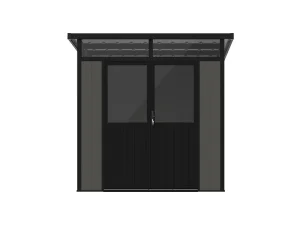
MiniStar Lockable WPC Equipment Storage Shed
Reinforced composite utility shed with anti-theft multi-point lockable door, rot-proof flooring, and passive ventilation.
FortressLine Hidden Fastener Composite Fence
Heavy-duty acoustic dampening and high privacy fence panels engineered for gated residential communities in Metro South.
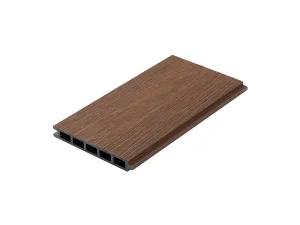
HorizonLine Architectural Horizontal Slat Fence
Contemporary horizontal aesthetic designed for Manila hotel perimeters, providing airflow during stormy weather.
UltraDefense Anti-Corrosive WPC Perimeter Barrier
Engineered aluminum post integration with co-extruded composite infill boards for commercial perimeter defense.
FORESTAR SlatWeave Architectural Wall Cladding
Textured fluted slat design adding modern geometric depth to residential façades and commercial hospitality entrances.
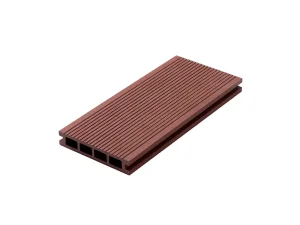
TimberFlow Anti-Slip Wet-Area Deck Boards
High-friction grooved composite profile rated R11 slip-resistant, built specifically for infinity pools and water park walkways.
HorizonLine Zero-Maintenance Perimeter Screens
Modular tongue-and-groove composite fence panels requiring no painting, oiling, or termite treatments over decades.
MasterSeries HorizonLine Commercial Fence System
Heavy-duty structural framework designed for rapid perimeter deployment in shopping complexes and industrial parks.
Frequently Asked Questions for Philippine Developers & Contractors
Detailed engineering, logistical, and material insights regarding importing and specifying Forestar WPC systems in the Philippines.
How do Forestar composite boards handle thermal expansion in Manila's 38°C summers?
Forestar co-extruded boards are manufactured with linear thermal expansion coefficients controlled below 0.035 mm/m/°C through optimized polymer-to-fiber crosslinking. By maintaining recommended 4–6 mm butt-joint gaps and utilizing our specialized sliding hidden clips, boards expand and contract smoothly along joists without buckling, crowning, or popping screws.
What joist spacing is recommended for commercial decks in Metro Manila?
For standard residential balcony decks, a joist center-to-center spacing of 350 mm is optimal. However, for high-traffic commercial installations (such as retail malls, hotel promenades, or restaurant sky decks), we strictly recommend a maximum center-to-center span of 300 mm (or 250 mm for 45-degree diagonal installations) over hot-dip galvanized steel or aluminum substructures.
What is the shipping time and procedure to import a container to Manila?
Direct ocean transit from our nearest hubs (Ningbo or Shanghai Port) to the Port of Manila (South Harbor or MICT) takes approximately 5 to 7 days. Production lead times range between 14 and 21 business days for full container loads (FCL). We supply full export documentation including Clean On-Board Bills of Lading, Commercial Invoices, Packing Lists, Certificate of Origin (Form E for ASEAN tariff benefits), and SGS physical test reports.
Are Forestar WPC boards completely immune to Philippine subterranean termites?
Yes. The wood fibers within our matrix are microscopic particles thoroughly encapsulated in high-density polyethylene polymer chains and treated with benign inorganic zinc borate biocides. Because there are no exposed cellulose fibers or voids, Coptotermes gestroi and other tropical borers cannot digest or penetrate the composite matrix, as verified under AWPA E1 test standards.
Can we specify customized profile lengths to minimize jobsite waste?
Yes. While standard export lengths are 2.2 meters and 2.9 meters (optimized for 20ft and 40ft high-cube shipping containers), our continuous automated extrusion lines can produce custom lengths up to 5.8 meters to accommodate specific commercial project grids in Makati and BGC, significantly reducing on-site cutting waste.
How does the surface texture perform around swimming pools when wet?
Forestar's TimberFlow and brushed deep-grain profiles achieve an R11 slip-resistance rating under DIN 51130 and Class C under wet barefoot pendulum testing (BS 7976-2). Even when continuously wet with chlorinated pool water or monsoon rain, the micro-channel surface geometry facilitates rapid drainage, preventing hydroplaning and slip-and-fall injuries.
Partner Directly with China’s Premier WPC Manufacturing Plant
Accelerate your Manila project margins with factory-direct pricing, guaranteed batch consistency, marine-grade warranties, and rapid 7-day sea transit to the Port of Manila.
Send Inquiry Now