
High-Performance WPC Profiles for Kenyan Commercial Development
Curated architectural profiles configured for direct container freight to Mombasa Port (KPA), offering full UV-blocking outer shells and hyper-durable matrix formulations.
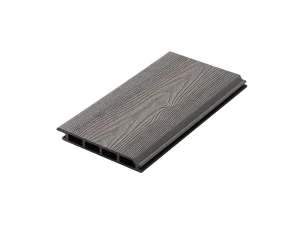
Nairobi High-Quality PlaneSleek WPC Exterior Cladding Panels
View Specifications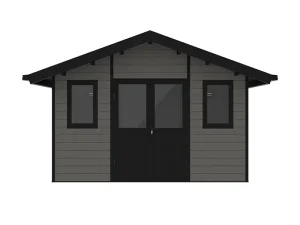
Kenya RidgeStar Heavy-Duty Waterproof Composite Garden Shed
View Specifications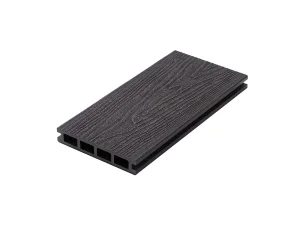
Mombasa EclipseGrain UV-Resistant Composite Decking
View Specifications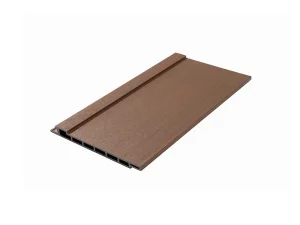
Forestar SlatWeave Weatherproof Cladding for Coastal Architecture
View SpecificationsThe Kenya Architectural Revolution: Navigating Microclimates with Composite Engineering
Strategic insights for procurement directors, quantity surveyors, and tier-one infrastructure developers in East Africa.
Kenya stands at the epicentre of East Africa's commercial and infrastructural renaissance. Under Kenya Vision 2030, capital investments in urban centres such as Nairobi, Kiambu, Machakos, and the dynamic coastline running through Mombasa, Diani, and Malindi have driven demand for exterior building components that combine aesthetic prestige with long service lives. However, Kenya's unique geography presents harsh environmental challenges to traditional building materials.
The traditional use of indigenous timber like Meru Oak, Cypress, and imported teak faces mounting hurdles: national conservation logging moratoriums, escalating timber prices, and rapid failure due to biotic and atmospheric factors. In high-elevation areas like Nairobi (1,795m above sea level), extreme solar irradiance causes organic lignin polymers to photodegrade within months, leading to deep checking, fading, and micro-cracking. Along the Indian Ocean littoral, high saline humidity, termite activity, and torrential monsoons destroy softwood and substandard WPC profiles rapidly. Sourcing engineered Wood-Plastic Composite (WPC) deck boards from advanced, accredited manufacturing facilities has shifted from an architectural luxury to a structural necessity.
Microclimate Surface Matrix
Our dual-screw co-extrusion technology applies an impermeable, high-density polyethylene (HDPE) polymer cap over a dense wood-flour core. This 360-degree shield incorporates hindered amine light stabilizers (HALS), resisting intense UV-A and UV-B exposure common to the East African plateau without fading or chalking.
Anti-Termite & Saline Resistance
Unlike organic hardwoods that absorb moisture and attract wood-boring marine organisms or subterranean termites (Macrotermes), our synthetic polymer-matrix boards feature near-zero pore space. This prevents moisture absorption, mold growth, salt crystallization, and insect infestation.
Precision Industry 4.0 Production
Manufactured at our smart manufacturing facility in Xuancheng, Anhui, our co-extrusion lines utilize automated continuous gravimetric feeders, real-time laser profiling sensors, and robotic finishing cells. This ensures dimensional accuracy, stable batch coloring, and strict load ratings per ASTM/EN criteria.
Macro Industry Solutions Across Kenyan Real Estate Segments
Kenyan commercial developers, residential architects, and EPC contractors balance aesthetics, performance, and life-cycle economics. Our factory-direct export pipeline provides purpose-engineered product systems for East Africa's core development sectors:
| Development Sector | Geographic Focus | Environmental Challenge | Forestar Engineering Solution |
|---|---|---|---|
| Eco-Resorts & Safari Lodges | Maasai Mara / Naivasha | Extreme day/night thermal shifts, dry brush fire risks | Class B fire-rated core, deep woodgrain embossing, zero maintenance oils |
| Coastal Hospitality & Marinas | Mombasa / Diani / Lamu | High atmospheric salinity, humidity, marine borer pests | Capped HDPE shell, 316 stainless-steel clip hidden fastening, non-slip R11 |
| High-End Urban Mixed-Use | Westlands / Upper Hill Nairobi | Intense solar UV radiation, high commercial foot-traffic | Heavy-duty solid/hollow arched profiles, UV-stabilized pigment systems |
| Affordable Housing Schemes | Konza Technopolis / Ruiru | Long-term maintenance budgets, installation throughput | Modular lightweight profiles, interlocking cladding systems, kit-form builds |
Factory 4.0: Modern Supply Chains for East African Importers
For Kenyan hardware importers, building material distributors on Funzi Road, and contractors bidding on State Department for Housing tenders, supply chain reliability is critical. Sourcing from our automated facility provides major operational and commercial benefits:
1. Direct Consolidation & Port-to-Port Transit: Our integrated manufacturing lines produce decking boards, co-extruded wall claddings, composite privacy screens, and modular outdoor storage sheds under a unified quality system. Importers can consolidate multiple SKUs within a single 40ft High Cube container, reducing working capital requirements while maintaining broad stock availability. Goods are routed efficiently from Chinese manufacturing ports directly to Mombasa Port (Kilindini Harbour) with comprehensive bill of lading documentation, easing customs processing through the Kenya Revenue Authority (KRA) Simba/ICMS system.
2. Compliance & Standards Verification: Quality assurance is supported by independent testing. We assist importers in securing Pre-Export Verification of Conformity (PVoC) certificates via recognized inspection agencies (such as SGS, Intertek, or Bureau Veritas), ensuring smooth issuance of the Certificate of Conformity (CoC) required by the Kenya Bureau of Standards (KEBS) under KS ISO frameworks. Our materials comply with stringent international limits on VOC emissions, heavy metal content, and recycled material composition.
3. Lifecycle Value vs. Softwood Timber: While treated cypress or pine carries a lower initial material cost, it requires bi-annual chemical treatments, anti-termite drenches, and surface stains. In Kenyan conditions, softwoods often degrade within 4 to 6 years. Forestar composite decking profiles offer a functional lifespan exceeding 25 years with basic water-and-soap cleaning, delivering strong long-term ROI for institutional developers and real estate investors.
Partner with a Leading WPC Manufacturing Factory
Request technical specification files, physical sample kits, and comprehensive container-load FOB/CIF Mombasa price lists for your commercial operations.
High-Spec WPC Decks, Facades & Modular Outdoor Structures
Engineered for high-traffic public boardwalks, luxury private estates, and residential masterplans throughout Nairobi, Kisumu, Nakuru, and Mombasa.
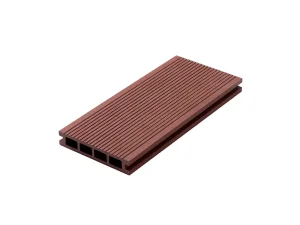
Nairobi TimberFlow Anti-Slip WPC Commercial Decking Boards
View Specifications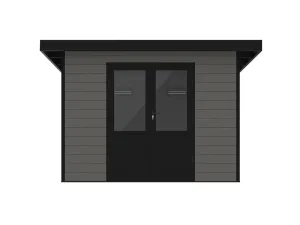
Kenya Estate Premium Outdoor Security Tool & Bike Shed
View Specifications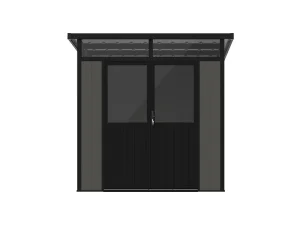
MiniStar Modular Weatherproof Storage Shed with Lockable Door
View Specifications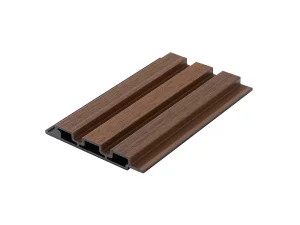
CrestWall Architectural Wood-Plastic Composite Siding
View Specifications
Diani Coast Anti-Slip TimberFlow Capped Decking Boards
View Specifications
CrestWall High-Durability Engineered Exterior Cladding
View Specifications
MiniStar Weatherproof Outdoor Equipment Enclosure
View Specifications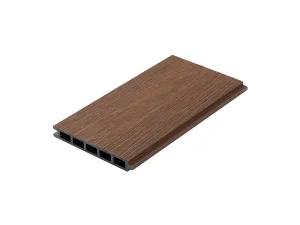
HorizonLine Engineered Composite Perimeter Fence Panels
View SpecificationsFrequently Answered Technical & Trade Questions for Kenya
Direct clarifications covering import logistics, customs clearance, thermal movement tolerances, and engineering performance.