
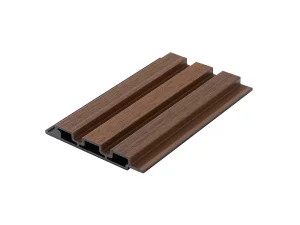
WPC Cladding & Fencing
Delivering high-durability Wood-Plastic Composite (WPC) fencing, co-extruded architectural screening, and industrial perimeter solutions engineered to withstand Vietnam's extreme tropical monsoons, high humidity, and rapid coastal urbanization.
Combining composite fencing modularity, outdoor storage modules, and resilient exterior cladding systems for industrial parks, luxury resorts, and urban master developments across Hanoi, Da Nang, and Ho Chi Minh City.
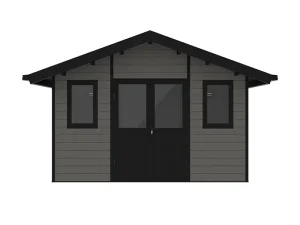
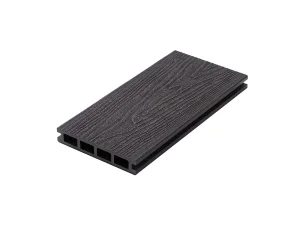
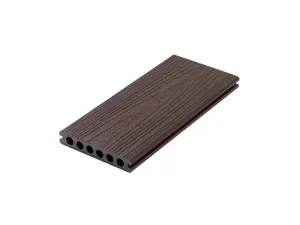
A rigorous examination of building trends, climate challenges, and procurement dynamics driving the demand for wood-plastic composite perimeter fencing across Vietnam.
The acceleration of foreign direct investment (FDI) into industrial hubs like Bac Ninh, Binh Duong, Hai Phong, and Dong Nai has driven an unprecedented surge in modern logistics hubs, cleanroom campuses, and automated manufacturing facilities. Traditional galvanized wire mesh or unshielded steel fences suffer rapid galvanic corrosion from tropical atmospheric salts and monsoons. Facility planners increasingly specify high-density, co-extruded composite panels and architectural louvers to ensure operational security while satisfying multinational corporate identity and ESG compliance criteria.
Vietnam's vast 3,260 km coastline hosts some of Southeast Asia's most ambitious hospitality developments—from Phu Quoc and Nha Trang to Da Nang and Ha Long Bay. Coastal conditions subject perimeter infrastructure to salt-spray aerosol, relative humidity above 85%, and extreme UV indices. Natural timber fencing deteriorates within 18 to 24 months due to fungal decay, moisture swelling, and termite predation. Capped composite fencing systems deliver the aesthetic elegance of local hardwoods like Teak or Ironwood without requiring seasonal sanding, chemical sealing, or structural replacements.
Vietnam's Green Building Council (VGBC) and international standards such as LEED and LOTUS are now focal requirements for tier-1 EPC contractors and developers like Vingroup, Novaland, and Sun Group. Conventional timber harvests deplete local natural resources, whereas Forestar's composite formulations incorporate up to 90% reclaimed timber fibers and post-industrial recycled polymers. Procuring certified composite fencing directly improves material life cycle assessments (LCA) and reduces overall carbon intensity in modern mixed-use masterplans.
| Performance Parameter | Forestar Capped WPC Composite | Traditional Softwood / Hardwood | Painted Steel / Iron Fencing |
|---|---|---|---|
| Moisture Absorption (ASTM D1037) | < 0.5% (Impermeable outer cap) | 15% – 30% (High swelling risk) | N/A (Rust/Pitting along welds) |
| Termite & Bio-degradation | Complete resistance (No organic cellulose exposure) | Requires regular toxic biocide treatments | Resistant, but subject to microbial corrosion |
| UV & Color Fastness (Delta E) | Delta E < 3.0 after 3,000h Xenon Arc Test | Rapid graying and surface micro-fissuring | Chipping, oxidation, and chalking |
| Maintenance Cycle in Tropics | Simple water wash every 6-12 months | Bi-annual chemical staining, scraping & varnishing | Annual derusting, primer recoat, and paint |
| Typhoon Wind Rating (Structure) | Engineered aluminum posts up to Category 12 (130 km/h) | Prone to snapping at fastener anchors | Prone to wind-catch bending without louvers |
Capitalizing on integrated multimodal transit lanes, RCEP preferential tariffs, and deep precision extrusion expertise.
Forestar's central manufacturing base in Xuancheng, Anhui, connects seamlessly to major coastal maritime corridors (Shanghai/Ningbo ports) and southern cross-border rail links. Ocean shipments reach Haiphong Port within 4-5 days and Cat Lai / Cai Mep Port (Ho Chi Minh City) in 6-8 days. Cross-border bonded trucking via Pingxiang/Lang Son enables urgent consolidated deliveries to northern industrial developments in as few as 72 hours, eliminating the 40+ day delays associated with European or American material shipments.
Under the Regional Comprehensive Economic Partnership (RCEP) and the ASEAN-China Free Trade Agreement (ACFTA), eligible building materials exported from China to Vietnam qualify for zero or substantially preferential import tariff rates via Certificate of Origin Form E. Forestar provides comprehensive export documentation, mill test certificates (MTC), and third-party laboratory verification (SGS/Intertek) to guarantee smooth customs clearance with Vietnamese customs authorities.
Vietnamese project owners often struggle with mismatched batches when sourcing posts from local aluminum extruders and boards from separate distributors. Forestar solves this fragmented workflow by loading synchronized product ecosystems into a single container: heavy-duty structural aluminum posts, matching powder-coated post caps, hidden clips, tongue-and-groove composite fence boards, matching wall cladding, and integrated LED accent fixtures.
From industrial park perimeters to urban residential privacy screening and eco-tourism compounds.
Industrial complexes housing semiconductor, consumer electronics, and pharmaceutical operations demand continuous security perimeters that suppress acoustic noise from machinery and traffic. Forestar tongue-and-groove composite acoustic fencing attenuates exterior noise while giving international audit delegations a polished, uniform aesthetic along main arterial access roads.
Discerning homeowners in suburban master-planned developments in Hanoi (Long Bien, Gia Lam) and Ho Chi Minh City (District 2, District 7, Thu Duc) demand complete privacy combined with organic, contemporary textures. Forestar composite fencing creates natural architectural separations that never weep rust down clean render walls or require invasive repainting crews inside private family gardens.
Vietnam's coastal wind pressures challenge fragile decorative fences during annual typhoon cycles. Forestar modular composite systems feature engineered internal fluting that balances flexural strength with reduced dead-weight. Interlocking aluminum upright posts embedded into reinforced concrete foundations provide proven structural resilience along shoreline promenades and beachfront cabana screens.
Comprehensive portfolio of high-density outdoor composite boards, weatherproof cladding profiles, and outdoor utility buildings manufactured under ISO 9001 and CE quality management.
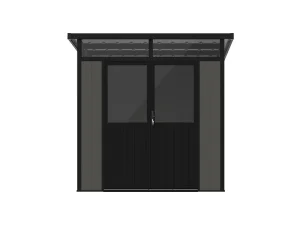
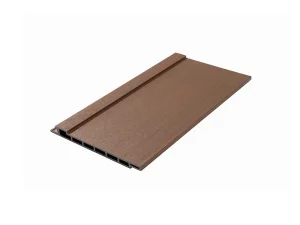
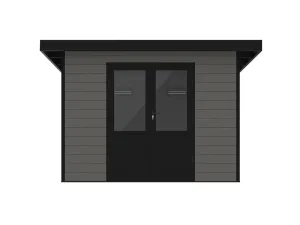
Expert answers addressing customs classification, wind loads, thermal tolerances, and installation protocols.
Wood-Plastic Composite (WPC) fencing panels and boards are typically imported under HS Code 3918.90 or 3925.90 depending on specific formulation and structural profiling. Under the ASEAN-China Free Trade Agreement (ACFTA) or RCEP, importers possessing our Form E certificate can qualify for preferential tariff duties as low as 0% to 5%, significantly lower than standard MFN rates. Our export documentation team prepares all packing lists, commercial invoices, and certificates of origin for swift customs processing.
Our fence systems utilize high-tensile 6063-T6 aluminum alloy structural posts embedded with internal reinforcing webs, engineered to withstand Category 11–12 typhoon winds (up to 120-130 km/h) when installed with proper ground anchoring and footings. Tongue-and-groove panel designs include controlled micro-expansion clearances that prevent pressure blow-outs during torrential horizontal rainfall and wind buffeting.
Unlike basic unshielded or hollow PE composites, Forestar co-extruded capped boards integrate high-performance thermal stabilizers and UV-absorbers within a dense outer polymer shell. Our linear coefficient of thermal expansion is strictly regulated to ≤ 35 x 10^-6 K^-1. When contractors adhere to the Forestar perimeter installation manual—leaving 4mm-6mm expansion gaps inside the vertical aluminum post channels—boards will not buckle or warp, even during peak urban heatwave conditions.
Yes. Beyond our core stock colors (Teak, Walnut, Charcoal, Ash Grey, and Dark Chocolate), Forestar operates an in-house colorimetry lab capable of custom Pantone and RAL formulation for project runs starting from a single 20-foot container. We formulate high-density masterbatches to match exact luxury villa or branded hotel chain identity requirements.
Request physical sample kits, project pricing schedules, or comprehensive technical submittals from our dedicated Southeast Asia engineering and export group.