
Cladding Manufacturers & Product in Philippines
Comprehensive Technical Whitepaper: High-Performance Composite & Co-Extrusion Exterior Solutions Engineered for the Philippine Tropical Archipelago Climate.
Premier Cladding & Outdoor Systems for Philippine Projects
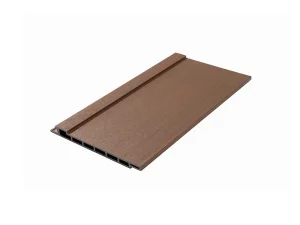
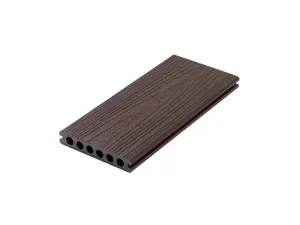
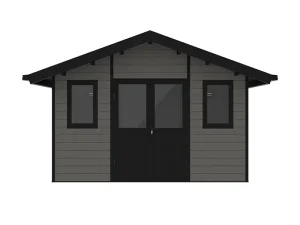
The Architectural Landscape & Cladding Challenges in the Philippines
The Philippine building sector is experiencing rapid expansion, fueled by massive public infrastructure initiatives (Build Better More) and a booming commercial and hospitality sector across Metro Manila, Cebu, Davao, and emerging eco-tourism hubs like Palawan, Bohol, and Siargao. However, structural and architectural cladding in this archipelago must endure exceptional environmental stressors rarely seen in moderate zones.
Type IV Typhoon & Monsoon Rains
The Philippines encounters an average of 20 typhoons per year. Cladding envelopes must withstand severe wind uplift, driven cyclic deluge, and continuous capillary action without panel detachment or moisture ingress behind the ventilated rainscreen.
Intense UV & Thermal Cycling
Direct equatorial solar radiation causes rapid thermo-oxidative degradation in conventional plastics and severe warping in untreated softwoods. Co-extruded WPC composite cladding protects building façades against deep chalking, micro-cracking, and pigment fading.
Saline Corrosion & Bio-Rot
With more than 7,640 islands, marine salt spray oxidizes metallic façades within years, while high ambient relative humidity (often exceeding 85%) leads to termite infestations, fungal rot, and mold blooms on traditional timber substrates.
Why Philippine Developers & Contractors Source Direct From China
While local Philippine distributors offer off-the-shelf panels, large-scale commercial, institutional, and high-density residential projects face major obstacles in inventory limitations, batch-to-batch color divergence, and exorbitant intermediary markups. Sourcing direct from China's Tier-1 automated facilities provides uncompromised engineering and commercial advantages.
Continuous Co-Extrusion Tech
Our China-based automated extruders seal high-density bio-composites with a 360-degree modified polyethylene shield. This impenetrable outer layer keeps moisture absorption below 0.2%, far superior to traditional first-generation composite panels.
Direct Container Consolidation
Consolidate exterior wall cladding, outdoor decking profiles, perimeter composite fencing, and modular heavy-duty utility sheds inside high-cube shipping containers. This cuts freight overhead to Manila North, Subic, or Cebu ports by up to 38%.
Verified ASTM & EN Compliance
Every extrusion batch undergoes rigorous quality-control protocols: Class B fire rating certification (ASTM E84), accelerated UV weatherometer stress testing (QUV 3000h), and tensile screw-pull resistance metrics for heavy coastal storm zones.
| Performance Metric | Forestar High-Tech Co-Extruded WPC | Traditional Philippine Solid Hardwoods (Narra/Yacal) | Aluminum Composite Panels (ACP) | Fiber Cement Boards (FCB) |
|---|---|---|---|---|
| Moisture Absorption | < 0.2% (Impermeable outer cap) | 15% - 30% (High swelling risk) | 0% (Corrosion at joints) | 7% - 12% (Porous without sealing) |
| Termite & Insect Defense | 100% Bio-Inert, Zero attack | Requires regular toxic treatment | Inert | Inert |
| Cyclic Typhoon Wind Resistance | Heavy hidden clip lock up to 3.8 kPa | Prone to screw loosening and split | Prone to wind flapping & debonding | Brittle fracture during shock loads |
| Maintenance Overhead | Zero paint, wash down only | Sanding & varnishing every 6-12 mos | Silicone joint repair every 3-5 yrs | Repainting required every 2-3 yrs |
| Direct China Factory Cost Efficacy | High ROI, factory-direct volume pricing | Prohibitive, deforestation restrictions | Moderate, volatile core quality | Low initial, high life-cycle cost |
Engineered Use-Cases: Local Philippine Architecture & Building Demands
Modern architectural trends across the Philippine islands favor contemporary tropical aesthetics that combine the organic warmth of native timber with the maintenance-free resilience of next-generation composites.
Boutique Island Resorts & Villas
For high-end eco-resorts across Boracay, Siargao, and Coron, WPC exterior cladding provides authentic teak, walnut, and ironwood aesthetics for beachfront bungalows without degrading under equatorial sun, salt mist, and monsoons.
BGC & Ortigas Commercial Façades
In high-density Metro Manila corporate centers, our fluted slat and architectural louvre profiles serve as energy-saving passive solar shading (brise-soleil), lowering internal HVAC operating costs while providing biophilic modern textures.
Subdivision Residential Projects
Gated master-planned communities in Cavite, Laguna, and Clark require durable, uniform exterior siding. Forestar co-extruded wall cladding eliminates developer warranty callbacks caused by warping, fungal discoloration, and pest infestation.
Full Architectural Cladding, Decking & Utility Systems
Explore our certified export series designed for importers, structural contractors, and commercial developers throughout Southeast Asia.
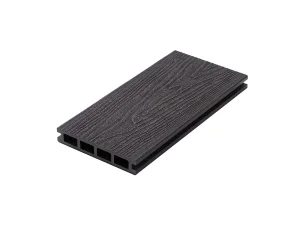
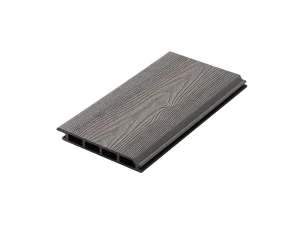
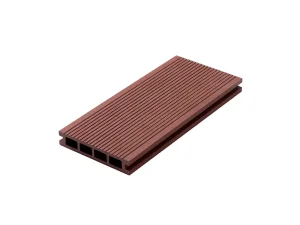
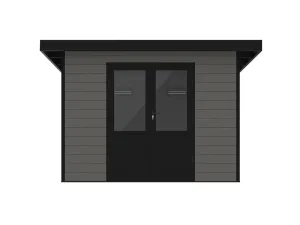
Frequently Asked Questions: Cladding Specification in the Philippines
Detailed technical and commercial answers addressing common specification concerns from Philippine architects, project engineers, and building material importers.
How does WPC exterior cladding perform during intense Philippine typhoon seasons?
Why choose co-extrusion over conventional 1st generation wood-plastic composite?
What are the logistics procedures, transit durations, and port clearances to Manila or Cebu?
Does Forestar WPC cladding help commercial developments earn LEED or BERDE green building credits?
Can custom board lengths be manufactured to minimize jobsite waste in high-rise applications?
Ready to order custom samples or require full bill-of-quantities quotation for your Philippine project?
Send Inquiry Now