Featured San Francisco Specification Systems
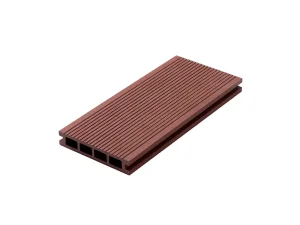
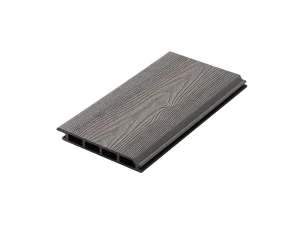
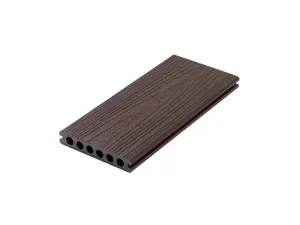
Engineered Wood Plastic Composite (WPC) profiles configured specifically for high-exposure building envelopes across the San Francisco Peninsula.
San Francisco Facade Dynamics & Commercial Landscape
A rigorous examination of building envelope performance under coastal microclimatic stresses and stringent California regulatory statutes.
Coastal Marine Microclimates
San Francisco's unique urban topography creates extreme atmospheric friction. From the Pacific maritime moisture across the Sunset and Richmond districts to intense afternoon solar exposure in SoMa and the Mission, exterior cladding requires impervious thermal expansion coefficients and resistance to continuous fog condensation.
California Title 24 & Fire Codes
Compliance with California Building Code (CBC) Title 24 demands stringent thermal transmittance (U-factors) and sustainable material sourcing. Forestar co-extruded cladding incorporates high-density core matrix compositions achieving advanced flame-spread control, meeting WUI (Wildland-Urban Interface) safety parameters.
Seismic Lateral Drift Resilience
Bay Area engineering demands facade cladding fasteners and aluminum sub-construction clips capable of absorbing dynamic lateral movements during seismic episodes. Our lightweight engineered panels mitigate facade loading and prevent stress fracturing under structural shifts.
Bay Area Application Scenarios
Optimized installation topologies serving commercial developers, multifamily builders, and civic institutions across Northern California.
SoMa & Mission Bay Tech Campuses
Innovative commercial office developments favor WPC rainscreen facades to impart biophilic warmth against structural curtain walls. The non-reflective surface finishes eliminate glare interference in urban core streetscapes while resisting urban particulate accumulation.
Presidio & Coastal Multi-Family Infill
Historic and sensitive zoning districts demand materials that harmonize with Northern California redwood traditions without the devastating rot and continuous repainting cycles typical of traditional softwoods in coastal fog corridors.
Marine Pier & Embarcadero Hospitality
Waterfront retail and high-traffic boardwalk facades face hyper-saline ocean spray and mechanical wear. Our co-extruded outer cap shields the core material against brine penetration, biological fungus blooms, and physical abrasion.
Chinese Advanced Manufacturing Resilience Meets California General Contractors
Procuring commercial architectural facades for high-overhead construction zones like San Francisco demands unwavering schedule integrity, competitive cost foundations, and immaculate manufacturing repeatability.
Operating our high-output facility in Xuancheng, Anhui, Forestar leverages fully automated compounding, precision twin-screw extrusion, and closed-loop water recirculation systems. This integrated Chinese supply chain ecosystem isolates contractors from North American material stockouts while preserving substantial project margins.
- Direct Transpacific Sea Freight: Direct Vessel Routes into Port of Oakland
- Standardized Quality Controls: ISO 9001, FSC Chain of Custody, and CE Certifications
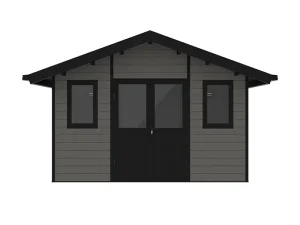
- Flexible Mixed Container Packing across Decking, Cladding, and Shed Assemblies
Global Commercial Facade Trends
The global architectural cladding sector is executing a major transition from toxic pressure-treated lumber and energy-intensive aluminum composite panels (ACP) toward closed-loop circular composite materials. Forestar's continuous R&D establishes standard benchmarks for global trade:
Technical Roadmap: Next-Gen Envelope Engineering
Proactive development pathways aligning composite extrusion with high-performance building skins of 2026 and beyond.
Phase 1: Nano-Ceramic Heat Reflection
Deploying specialized infrared-reflective pigments inside the outer polymeric shell, dropping ambient surface temperatures by up to 15°C under direct solar radiation, drastically optimizing HVAC loads for high-density multi-residential projects.
Phase 2: Rainscreen Ventilation Cavities
Engineered hollow-flute geometry providing continuous pressure-equalized drainage planes. This architecture prevents vapor entrapment behind building facades, a critical requirement for moisture prevention in Northern California coastal zones.
Phase 3: Automated Fastening Systems
Next-generation hidden clip mechanisms engineered with marine-grade 316 stainless steel and elastomer dampeners. This minimizes on-site installation man-hours by up to 40% while preserving silent expansion/contraction movement under seismic vibration.
Bay Area Specifier & Contractor FAQ
In-depth technical answers regarding import logistics, testing documentation, local building requirements, and container fulfillment.
How does Forestar cladding withstand San Francisco's hyper-dense coastal fog and salt atmosphere?
Can Forestar products support LEED v4 / v4.1 certification credits for Bay Area projects?
What are the freight routes and port logistics into Northern California?
Do your cladding profiles meet California building envelope ventilation requirements?
How do you assist architects and general contractors with pre-order specification?
Complete Exterior Composite Portfolio
Comprehensive system solutions including structural decking, rainscreen sidings, engineered sheds, and acoustic privacy barriers.