
Selected High-Performance Composite Systems for Nagoya Projects
Pre-engineered structural wood-plastic composite architectures built to endure the saline atmospheric conditions and rigorous microclimatic moisture of Nagoya Harbor and the Chubu Industrial Basin.
-
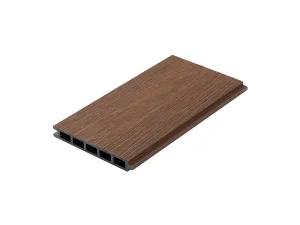
Nagoya HorizonLine Architectural WPC Fence Panels - Industrial & Perimeter Grade
Co-extruded shielding for saline coastal resilience and zero seasonal re-staining.
View Product Specifications → -
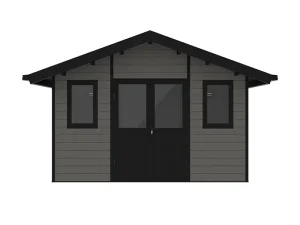
Nagoya RidgeStar Heavy-Duty Engineered Shed - Heavy Snow & Typhoon Rated
Reinforced sub-frame profile engineered for severe Chubu seasonal precipitation.
View Product Specifications → -
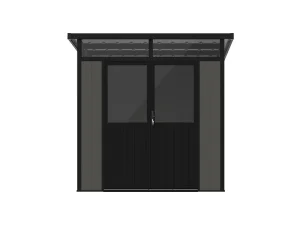
MiniStar Compact Urban Terrace WPC Shed - Nagoya Precision Security Model
Precision lockable outdoor enclosure crafted for compact commercial patios and terraces.
View Product Specifications → -
Nagoya MiniStar Weatherproof Utility Solution - High-Density WPC Storage
UV-stabilized composite wall systems configured for zero decay in intense sun and rain.
View Product Specifications →
Commercial, Industrial & Climatic Architecture of Nagoya
Understanding the severe environmental stresses and high engineering thresholds governing outdoor composite installations across Greater Nagoya and the Aichi Bay industrial economic corridor.
Chubu Subtropical Climate Resilience
Nagoya experiences extreme meteorological fluctuations, encompassing sweltering, hyper-humid summer cycles (frequently exceeding 38°C with 85% relative humidity) combined with the freezing "Ibuki-oroshi" winter winds descending from the Ibuki Mountains. Conventional softwoods suffer severe micro-fracturing, thermal checking, and rapid fungal deterioration under these cyclical hygrothermal loads.
- Max Linear Thermal Movement: ≤ 1.2 mm/m (at ΔT 50K)
- Moisture Absorption Coeff: ≤ 0.42% (28-Day Submersion)
- Fungal Resistance Class: Class 1 (Decay Immune)
Port of Nagoya Saline Corrosion
As Japan's premier maritime export hub handling massive automotive and heavy industrial tonnage, the Nagoya Port and Ise Bay waterfronts present severe chloride aerosol concentrations. Traditional metallic sub-frames and wood treatments oxidize or leech toxins into marine habitats. Co-extruded polymer-shielded decking delivers zero ionic reactivity to airborne ocean salt.
- Salt Fog Test (ASTM B117): 2,500 hrs No Degradation
- Chloride Ion Ingress: 0.00% Permeability
- Fastener Standard: 316 Austenitic Stainless
Seismic Substructure Stabilization
Aichi Prefecture resides in an active seismic belt requiring comprehensive structural ductile tolerance. Deck substructures in commercial Nagoya hospitality facilities, corporate campuses (such as Toyota and Sakae commercial zones), and public recreational piers must withstand multi-axis cyclic shearing without mechanical fastener disengagement or structural shear fracture.
- Flexural Modulus (JIS A 5741): ≥ 3,200 MPa
- Dynamic Shear Ductility: High Interlock Tolerance
- Subframe Integration: Anodized Aluminum / Heavy WPC
Material Performance Analysis: Composite vs. Traditional Lumber in Nagoya
A rigorous engineering benchmark assessing longevity, safety protocols, lifecycle expenditure, and environmental certifications across commercial outdoor installations.
| Evaluation Parameter | Forestar High-Shield WPC | Japanese Sugi / Hinoki Lumber | Imported Tropical Hardwood (Ipe/Bangkirai) | Standard Uncapped WPC (Gen 1) |
|---|---|---|---|---|
| JIS A 5741 Durability Standard | Fully Compliant & Certified | Non-Applicable (Natural Timber) | Non-Applicable (Natural Timber) | Marginal / Conditional Pass |
| Resistance to Maritime Saline Aerosol | Impervious 360° Fluoropolymer-grade cap | Severe surface erosion within 3 years | Moderate resistance; high tannin bleed | Porous polymer core risks salt crystallization |
| Wet Slip Resistance Rating (DIN 51130 / JIS) | R12 Verified (Bi-directional micro-grooved) | R9 (Hazardously slick with moss/algae) | R10 (Smooth surface hazards when wet) | R10 (Surface moisture retention issues) |
| Post-Installation Chemical Maintenance | Zero (Water-rinse washdown only) | Bi-annual chemical sealants & toxic biocide | Yearly hardwood re-oiling mandatory | Occasional anti-mildew deep treatment |
| Lifecycle Carbon Assessment (LCA) | Net-Negative (90% Post-Industrial Recycled) | Low embodied, but high preservative burden | Severe deforestation and logistics footprint | Moderate (Unsorted post-consumer plastics) |
| 25-Year Commercial Cost of Ownership | Lowest (CapEx amortized over 25+ yrs) | High (Maintenance exceeds initial cost 3.4x) | Extreme (High initial cost + ongoing oils) | Moderate (Premature replacement at yr 10) |
Global Enterprise Sourcing Architecture for Nagoya Distributors
Strategic logistics consolidation, direct OEM/ODM customization protocols, and precision supply chain continuity designed to support Japanese general contractors and building material importers.
Total Cost of Ownership (TCO) Optimization
For Japanese building consortia and trade wholesalers in the Chubu economic sphere, upfront board pricing represents less than 35% of cumulative 20-year structural costs. Softwood and uncapped composites incur compounding labor overheads driven by Japan's escalating artisanal construction wage indices. Forestar's engineered polymer cap eliminates periodic surface sanding, polyurethane sealing, structural board replacement, and toxic biocidal treatments, saving over ¥18,500 per square meter over a 15-year operational lifecycle.
Furthermore, precision-milled hidden clip systems accelerate laying velocity by up to 40% compared to traditional top-down facial screwing, substantially diminishing project delivery lead times.
Direct-to-Port Nagoya Intermodal Freight Delivery
Direct ocean shipments from our advanced Anhui production facilities are routed through established sea lanes terminating directly at the Port of Nagoya container terminals (Tobishima & Meiko piers). This circumvents the prohibitive overland drayage tariffs associated with Tokyo or Osaka port transshipments.
We provide full multi-category consolidation: importers can consolidate WPC decking boards, co-extruded architectural wall cladding, modular privacy fencing systems, and prefabricated outdoor garden sheds into a single 40ft High Cube container, reducing port handling duties and optimizing local inventory turnover for regional Aichi distribution hubs.
Localized Engineering Standards & Japanese Regulatory Compliance
Forestar composite formulas are rigorously benchmarked against the stringent mandates of the Japanese Industrial Standards (JIS) and Japan Wood Plastic Composite Technical Guidelines.
JIS A 5741 Verified Mechanicals
Our structural decking boards undergo full physical evaluation under JIS A 5741 (Wood-plastic recycled composites). Tests confirm flexural breaking load exceeds 4,000 N under localized concentrated load, guaranteeing maximum safety under high-footfall commercial deployments such as Sakae rooftop shopping centers and Nagashima resort boardwalks.
Formaldehyde & VOC Free (F★★★★ Grade)
In adherence with the Building Standard Law of Japan (Kenchiku Kijun-hō), our co-extruded boards contain zero carcinogenic formaldehyde resins, phenol binders, or toxic halogenated flame retardants. Materials qualify for unrestricted indoor/outdoor transitional usage under the highest domestic eco-rating categories.
Thermal Dissipation & Cool-Walk Caps
Reflective infrared inorganic pigment additives embedded directly within our high-density outer capping mitigate urban heat island (UHI) retention across sun-drenched concrete urban districts in Nagoya. Board surface temperatures remain up to 8.5°C lower than standard dark composites under zenith peak radiation.
Technology Roadmap: The Future of Bio-Composites (2026–2030)
Forestar's research and development roadmap integrates advanced polymer chemistry, circular zero-waste processing, and smart installation telemetry for the Japanese architectural landscape.
Phase 1: Graphene-Infused Polymers
By integrating molecular graphene platelets into our recycled high-density polyethylene (rHDPE) matrix, next-gen boards achieve 25% higher tensile strength while reducing overall core profile wall thickness, resulting in reduced shipping weight without sacrificing structural span rigidity.
Phase 2: Closed-Loop Demolition Reclamation
Instituting circular buy-back networks across Greater Chubu construction initiatives. End-of-life boards are granulated, separated from fasteners via optical sensors, and re-extruded into base sub-structure joists and heavy-duty industrial pedestals, achieving complete zero-landfill compliance.
Phase 3: Digital Twin & QR Serialization
Every extrusion batch produced for Japanese projects will feature subsurface micro-laser QR etching linked to digital test records. Architectural specifiers can verify batch moisture rating, resin source verification, fire rating certificates, and installation instructions directly on site.
Complete Composite Outdoor Building Solutions for Nagoya Markets
Explore our extensive portfolio of heavy-duty garden sheds, co-extruded cladding panels, boundary privacy systems, and premium deck profiles deployed in over 45 countries.
-
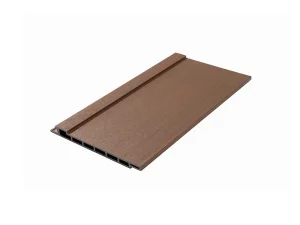
Nagoya SlatWeave Waterproof Composite Cladding & Façade System
Architectural rainscreen profiling engineered for residential and commercial multi-level exteriors.
View Product Specifications → -
Chubu High-Security MiniStar WPC Shed with Multi-Point Lockable Door
Rigid interlocking composite panel engineering designed for outdoor commercial tool & utility storage.
View Product Specifications → -
Alpine-Spec RidgeStar Waterproof Shed - Heavy Snow Load Engineered
Reinforced truss architecture built to withstand severe winter snowfalls in northern Aichi and Gifu.
View Product Specifications → -
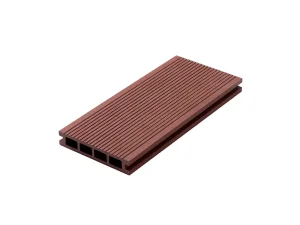
Nagoya TimberFlow Commercial WPC Decking Boards - R12 Wet Anti-Slip
Deep woodgrain embossing with micro-traction grooves developed specifically for aquatic and public promenades.
View Product Specifications → -
Heavy Snow Rated All-Weather Backyard Garden Shed - Industrial WPC Build
Ultra-dense wall profile with integrated aluminum rafters; factory direct procurement ready.
View Product Specifications → -
Low-Maintenance HorizonLine WPC Acoustic & Privacy Fencing Panels
Interlocking tongue-and-groove system providing sound dampening for dense suburban developments.
View Product Specifications → -
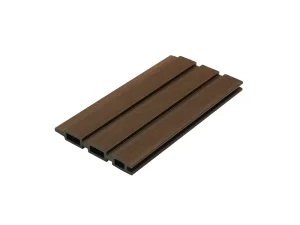
StealthLock Heavy Privacy Fencing with Hidden Fasteners - Nagoya Spec
Seamless aesthetic line eliminating exposed screw heads while resisting Category 3 typhoon gusts.
View Product Specifications → -
MiniStar Modular EcoGuard Outdoor Storage Unit - Factory Direct Nagoya
Eco-conscious flat-pack format enabling rapid site erection and zero seasonal maintenance overhead.
View Product Specifications →
Frequently Asked Questions: Sourcing Composite Deck Boards in Nagoya
In-depth insights for architects, structural engineers, general contractors, and building product distributors navigating import procedures and structural deployment in Japan.
How do Forestar composite deck boards perform under Nagoya's extreme summer humidity and winter frosts?
What are the lead times and container logistics procedures directly to the Port of Nagoya?
Do your boards satisfy Japan's strict fire safety and VOC emission standards for commercial buildings?
Can Nagoya contractors consolidate decking, cladding, and outdoor sheds in a single order?
What substructure joist spacing and expansion gap rules are required for Japanese installations?
Initiate Your Nagoya Commercial Composite Specification
Request physical material sample boxes, complete technical data packages, or container pricing quotations from our specialized export engineering team today.