High-Performance Modular Sheds & Architectural Composite Envelopes
Engineered structural assemblies, weather-rated garden buildings, and exterior composite infrastructure direct from manufacturing facilities.
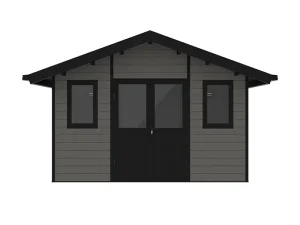
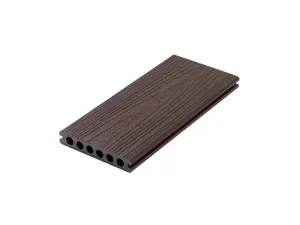
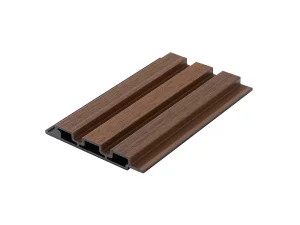
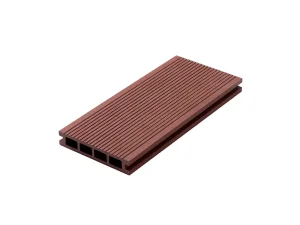
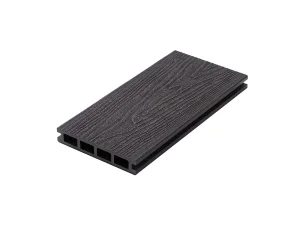
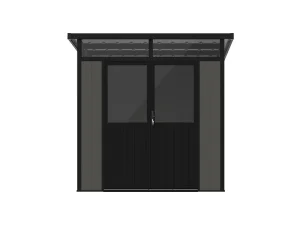
Macro Commercial & Industrial Status of Tiny House Pricing
The global small-footprint habitation market is undergoing structural shifts driven by material sciences, supply chain consolidation, and prefabricated building codes.
Supply-Side Cost Stratification
The manufacturing pricing model for high-end micro-dwellings and premium structural outbuildings has detached from simple volumetric estimation. Current cost determinants rely heavily on co-extruded composite envelopes, structural cold-rolled steel gauges, and thermal bridging prevention systems.
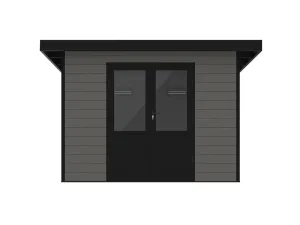
Where basic entry-level DIY timber sheds operate around a baseline of $1,500–$3,500, commercial-grade prefabricated modules utilizing heavy snow-load ratings and zero-maintenance WPC wall panels command ex-factory wholesale brackets between $8,000 and $28,000, delivering a 40-year operational lifecycle.
Raw Material Volatility Mitigation
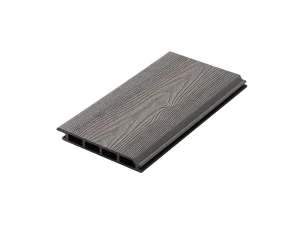
Traditional wood construction has suffered acute susceptibility to timber market turbulence and phytosanitary regulatory barriers. Specialized OEM producers like Forestar leverage up to 90% recycled polymer-wood formulations to guarantee contract pricing stability.
By dampening exposure to virgin lumber deficits, integrated manufacturers offer international commercial importers stabilized margins on large-volume contracts for residential backyard offices, modular garden sheds, and localized glamping developments across North America and Europe.
Freight Factorization & Volumetric Efficiency
High international shipping expenses dictate tiny dwelling economics. Modern factory solutions resolve logistical constraints through precision flat-pack modular engineering that minimizes volumetric dimensional freight weight.
A standard 40-foot high-cube (40HC) container can accommodate multiple full structural enclosures including heavy snow-rated roofing trusses, co-extruded exterior siding, and structural base flooring kits. This compact transport reduces landed cost overheads by up to 34% per unit compared to volumetric assembled units.
Technological Roadmap: The Material Science of Modular Longevity
Comparative structural matrix detailing how co-extruded wood-plastic composite technology resolves thermal, structural, and cyclical degradation challenges.
| Evaluation Parameter | Forestar Capped WPC Systems | Conventional Softwood (Pine/Fir) | Corrugated Galvanized Steel |
|---|---|---|---|
| Thermal Expansion & Contraction | Linear coefficient < 0.35%, buffered via engineered fastener slots | Variable swelling up to 8% based on atmospheric hygroscopic shifts | High thermal expansion; notable structural warping risks |
| Snow Load Bearing Index | Tested ≥ 150 kg/m² (Heavy Snow-Load RidgeStar Architecture) | Variable structural load capacity; rot weakens joists within 5 years | Moderate; subject to structural buckling under uneven drifts |
| UV Degradation Resistance | High-density fluorocarbon polymer shield; Delta E < 2.0 (5000h Xenon) | Rapid lignin breakdown, photolytic grey out, requires annual sealing | Coating peel and chalking under severe UV exposure (7–10 yr life) |
| Moisture Absorption Rate | < 0.5% (24-hour total water submersion test ASTM D1037) | 20% - 45% moisture saturation causing fungal decay and dry rot | Zero absorption; prone to condensation corrosion on interior seams |
| Total Cost of Ownership (20 Yr) | Zero chemical maintenance; periodic power wash only | High: regular painting, waterproofing, pest treatment & board replacement | Medium: anti-rust re-coating and hardware replacement costs |
Localized Commercial Application Scenarios
Evaluating environmental survivability and financial feasibility across distinctive climate zones and commercial operating sectors.
Nordic Freeze-Thaw Environments
In high-latitude territories like Finland, Sweden, and Canada, moisture penetration followed by sub-zero freezing causes rapid micro-fracturing in softwoods. WPC cladding and storage units with sub-0.5% absorption survive repetitive freeze-thaw cycles without delaminating or spalling.
High UV & Arid Subtropical Regions
For desert-edge and high-heat markets like Texas, Arizona, and the Mediterranean Basin, intense solar radiation accelerates binder failure. Forestar UV-stabilized capped extrusion systems inhibit photodegradation and minimize thermal conductivity to lower cooling requirements.
Coastal Salt-Spray & High-Humidity Zones
Marine environments require corrosion-resistant construction. Combining high-polymer composite materials with 304/316 marine-grade stainless concealed clip systems shields small footprints from saline deterioration, fungal spores, and insect attack.
Urban Backyard ADU & Glamping Projects
The expansion of Accessory Dwelling Units (ADUs) and modular hospitality spaces calls for fast on-site assembly without heavy lifting machinery. Pre-machined modular panel kits lower labor overhead, expediting installation timelines from weeks to days.
Macro-Level Enterprise Sourcing & Price Optimization
Strategic purchasing recommendations for importers, commercial builders, and project tender contractors sourcing modular envelopes direct from China.
Consolidated Single-Container SKUs
A persistent operational inefficiency in modular construction is sourcing individual components across multiple vendors. Importers can bundle modular outbuildings, exterior cladding, foundation decking, and perimeter fencing within a consolidated shipment.
Consolidating four related architectural product categories eliminates cross-supplier demurrage, unifies batch color tolerances, and lowers overall freight rates per pallet position.
Certification & Building Code Compliance
Navigating localized building codes requires comprehensive documentation. Professional procurement managers should mandate factory-direct compliance reports before issuing letters of credit.
Our production facilities maintain active CE, SGS, FSC, ISO 9001, and REACH verification, verifying structural performance, zero-formaldehyde emissions, and fire behavior ratings necessary for commercial permit sign-offs.
OEM Custom Profiles & Private Labeling
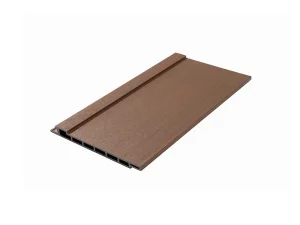
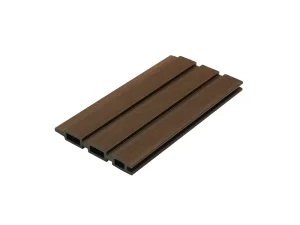
Price elasticity improves when distributors deliver unique finishes matched to their domestic markets. We manufacture customized extrusions, tailored co-extruded wood grain textures, and bespoke dimensions designed around local requirements.
Private-label packaging, localized instruction architecture, and pre-drilled assembly channels ease integration into professional distributor inventory lines.
Frequently Asked Questions: Tiny House Cost & Specification
Direct answers for commercial buyers, civil contractors, and container-volume distributors.
How does WPC tiny house pricing compare to traditional light-frame timber?
While the raw acquisition cost of base softwood lumber can initially appear 15–20% lower on bill-of-materials pricing, the total installed and maintained lifecycle cost shifts substantially in favor of WPC within 36 to 48 months. WPC cuts maintenance overhead, demands zero cyclic chemical sealing, and avoids mold-related board replacements in high-humidity climates.
What structural payload can heavy snow-load rated composite sheds sustain?
Forestar's RidgeStar and allied industrial outdoor sheds feature heavy snow load ratings supporting payloads upwards of 150 kg/m². The internal architecture pairs heavy-gauge structural aluminum and galvanized steel framework with interlocking high-density composite wall panels to resist deformation during sustained snow loads and high wind-shear conditions.
What minimum order quantities (MOQ) and production cycles apply to B2B orders?
Standard export orders generally start at one 20-foot GP or 40-foot HQ container, with consolidation available across our modular sheds, decking boards, and exterior cladding lines. Standard factory production schedules run approximately 20 to 30 days from engineering CAD sign-off and deposit receipt, with physical sample boxes dispatched globally within 3 to 5 business days.
How do environmental credentials support LEED and green building certifications?
Our composite formulation reclaims wood flour and recycled polymers, reaching up to 90% recycled material composition across selected profiles. By repurposing reclaimed industrial timber residue and high-density polyolefins, products contribute to multiple LEED v4 credit categories, including Materials & Resources (MR) credits for Environmental Product Disclosures and Sourcing of Raw Materials.
Precision Structural Sheds, Architectural Cladding & Systems
Expand project specifications with our full range of certified exterior building products and commercial-grade outdoor building components.