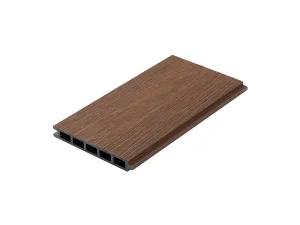
High-Performance Envelopes & Modular Systems
Pre-engineered components, heavy-snow/wind rated units, and advanced co-extruded wood-plastic profiles precision-manufactured for Texas site deployment.
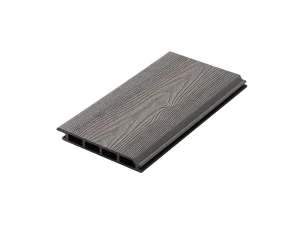
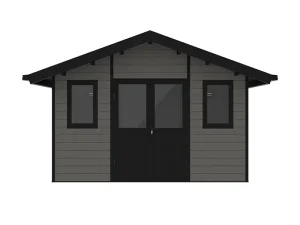
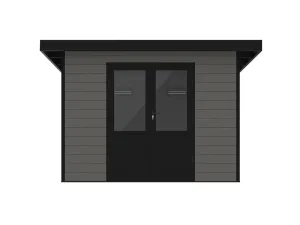
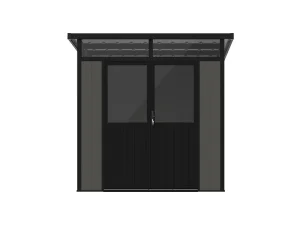
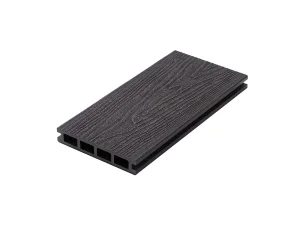
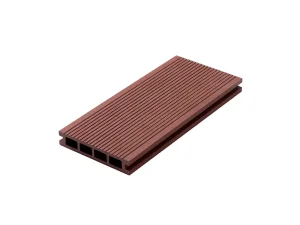
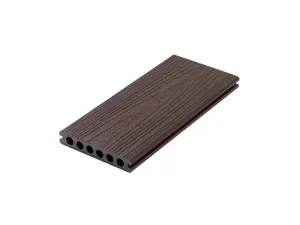
The Global Micro-Housing & Modular Construction Landscape
An in-depth assessment of capital allocation, suburban zoning de-densification, and off-site prefabrication scaling across North America and global markets.
Escalating Urban Densification Pressures
Global metropolitan centers face unprecedented home affordability deficits. High land acquisition costs have catalyzed structural demand for accessory dwelling units (ADUs), tiny homes on wheels (THOW), and compact footprint modular living, transitioning micro-dwellings from counter-culture anomalies to mainstream real estate asset classes.
Decarbonization Mandates & Circularity
Institutional developers face stringent ESG parameters and embodied carbon limits. Traditional timber harvesting accelerates deforestation, while virgin plastics contribute to petrochemical lock-in. Advanced co-extruded wood-plastic composite (WPC) profiles resolve this by sequestering reclaimed cellulosic fibers in durable polymer matrix shields.
Industrialized Construction (MMC)
On-site stick-building methods are crippled by chronic artisan labor deficits, inflationary framing timber pricing, and weather downtime. Modern Methods of Construction (MMC) leverage automated precision CNC cutting, offsite panelized assembly, and standardized modular chassis to slash project timelines by up to 60%.
Engineering Superiority & Production Economics: The OEM Advantage
How state-of-the-art Chinese extrusion infrastructure provides North American developers with unbeatable price-to-performance metrics, metallurgical precision, and certified material integrity.
Dual-Screw Co-Extrusion
Operated by Anhui Fumeida New Material Technology Co., Ltd. in Xuancheng, our plant utilizes automated German twin-screw extruders that bond a 360-degree protective cap layer over dense recycled cores, eliminating delamination risks.
Economies of Scale & Cost Moat
Sourcing localized reclaimed polymers and non-virgin cellulose alongside clustered industrial tooling networks lowers production costs by 35-50% compared to domestic American modular builders without sacrificing technical tolerances.
Rigorous QA/QC & SGS Audits
Every single container batch undergoes rigorous lab stress testing: accelerated QUV weathering (3,000+ hours), modulus of rupture (MOR), water submersion expansion coefficients, and tensile load verification conforming to CE, FSC, and ISO 9001.
Flat-Pack Modular Logistics
Engineered KD (Knock-Down) architecture allows entire modular sheds, tiny house sub-frames, wall assemblies, and patio systems to nest tightly within standard 40ft High Cube containers, minimizing maritime freight volume overhead.
Buying A Tiny House In Texas: Engineering for Climate Extremes
Analyzing Lone Star municipal zoning dynamics, IRC Appendix Q compliance, and material survivability across Gulf Coast humidity and West Texas thermal cycling.
Thermal Expansion & Severe Solar UV
Texas experiences prolonged periods above 105°F with peak UV indexes. Standard PVC and untreated wood warp, cup, or blister. Forestar’s co-extruded cap layer uses modified nano-titanium dioxide and hindered amine light stabilizers (HALS), preserving dimensional stability and thermal reflectivity under Dallas and Austin solar heat.
Gulf Coast Moisture & Hurricane Wind Load
In Houston and the Gulf Coastal corridor, chronic 90%+ relative humidity and wind-driven rain cause fatal dry-rot in traditional timber framing. Our closed-cell WPC envelopes and interlocking tongue-and-groove exterior cladding systems inhibit moisture intrusion, prevent fungal spore germination, and resist up to 130 mph design wind loads.
IRC Appendix Q & Unincorporated Freedom
Texas provides unique land-use freedoms: unincorporated county land has minimal zoning encumbrances. For incorporated metros (Austin, San Antonio, Fort Worth), tiny homes on foundations require compliance with International Residential Code (IRC) Appendix Q (ceiling clearances, loft dimensions, egress), demanding pre-engineered building envelopes.
| Performance Characteristic | Forestar WPC Modular Envelope | Standard Softwood / Pine | Light-Gauge Steel Frame Only |
|---|---|---|---|
| Thermal Bridging & R-Value Retention | Superior (Low Conductivity) | Moderate (Subject to moisture decay) | Poor (High thermal conduction) |
| Resistance to Termites & Borers | 100% Inert Polymer Shell | Vulnerable (Requires chemical spray) | Immune (Steel only) |
| UV Color Fastness (Delta E < 4.0 @ 5yr) | Engineered Cap Layer Guarantee | Fails (Greys out within 6 months) | Paints chalk and peel over time |
| Annual Upkeep Requirements | Soap & Water Wash Only | Annual sanding, staining, resealing | Rust remediation & fastener checks |
| Rot, Splinter & Warping Defense | Non-Hygroscopic Profile | High splitting and checking risk | No rot, but prone to fastener fatigue |
Commercial Procurement Strategies for Real Estate Developers & Importers
Tailored supply chain arrangements for turnkey tiny house villages, hospitality operators, and lumber distribution yards across the United States.
Tiny Home Village & RV Park Operators
Developers launching master-planned tiny home communities across Hill Country or coastal retreats require repeatable, standardized kits. Consolidating decking, perimeter composite fencing, utility storage sheds, and exterior wall cladding within uniform color palettes reduces multi-vendor administrative overhead and maintains brand consistency.
Building Material Importers & Wholesalers
Distributors serving home improvement retail chains and general contractor networks leverage containerized mixed loads (FCL). By loading composite decking profiles, cladding systems, and pre-packaged modular storage sheds simultaneously from our Xuancheng manufacturing base, buyers unlock maximum shipping container cubic utilization.
Turnkey Glamping & Eco-Resort Developers
Hospitality ventures demanding rapid return on investment (ROI) deploy modular, factory-certified cabins. Forestar's zero-maintenance surfaces eliminate seasonal re-finishing schedules, ensuring maximum occupancy rates, pristine aesthetic presentation under heavy guest foot-traffic, and heightened fire-safety classifications.
Technological Frontiers Shaping Modular & Tiny Living (2026-2035)
Anticipating structural shifts in building material sciences, modular off-grid autonomy, and robotic offsite production methods.
Integrated BIPV & Solar Envelope Enclosure
Next-generation tiny homes are evolving toward total Net-Zero energy independence. The integration of Building-Integrated Photovoltaics (BIPV) into composite cladding profiles and standing seam roofing systems will allow modular homes to generate power directly from their building envelope.
Bio-Based & Circular Polymer Chemistry
Innovations in biopolymer binders and ultra-purified industrial post-consumer plastics are driving composite circularity past 95%. This enables real estate developers to harvest maximum LEED credits and qualify for preferential green infrastructure bond yields.
Autonomous Off-Site CNC Automation
Factory fabrication lines are transitioning toward full robotic material handling and digital twin validation. Every exterior board, lock channel, and joist bracket is precision-machined to sub-millimeter tolerances, reducing field installation friction to near zero.
Unified State-Wide Prefab Code Harmonization
Following legislation passed in progressive markets, states like Texas are advancing standard industrialized housing certification programs that override disparate municipal red-tape, clearing a clear path for state-wide delivery of pre-inspected units.
Frequently Asked Questions: Texas Tiny Home Procurement & Factory Supply
Definitive engineering and trade answers addressing common commercial inquiries regarding zoning, materials, lead times, and structural warranties.
What are the zoning and land-use laws for tiny houses in Texas?
Texas is one of the most micro-housing friendly states in the USA, but land-use authority varies dramatically between unincorporated county land and incorporated cities. In unincorporated areas, deed restrictions rule, but there is rarely municipal zoning to prohibit tiny homes. Within cities like Austin, Dallas, and Houston, tiny homes on foundations are governed by local building codes and IRC Appendix Q, while tiny homes on wheels (THOW) are often classified as recreational vehicles (RVs) and must be placed in designated RV parks or unzoned rural zones unless permitted as an ADU.
Why is composite cladding superior to traditional lumber in Texas heat?
Traditional southern yellow pine or cedar experiences severe dimensional contraction and warping when exposed to triple-digit Texas summer heat combined with high ambient humidity. The constant expansion cycles degrade wood sealers, leading to checking, dry-rot, and termite infestations. Forestar’s capped WPC cladding utilizes up to 90% recycled composite materials with high-density shielding that resists UV degradation, eliminates annual painting or staining, and maintains absolute dimensional stability under continuous solar heat loads.
How are units packaged to guarantee zero transit damage during sea freight?
Every modular shed, exterior panel package, and decking profile is flat-packed onto custom-reinforced fumigated export pallets. Edges are safeguarded with rigid corner-protectors and sealed in weather-resistant poly-wrap film. Pallet dimensions are mathematically optimized for ISO standard 40ft High Cube containers to prevent shifting during maritime transit, allowing swift unloading via forklift at US ports such as Houston or Galveston.
Can you provide custom profiles, dimensions, and OEM private-label branding?
Yes. As the direct manufacturing operation of Anhui Fumeida New Material Technology Co., Ltd., we support comprehensive OEM/ODM trade partnerships. We provide custom tool-and-die profile extrusion, client-specific woodgrain embossing rollers, custom panel cuts, and private-labeled retail packaging. Physical sample approval runs are completed before full production runs begin.
High-Spec Storage, Decking & Architectural Profiles
Complete your modular dwelling developments with factory-direct outdoor components engineered for maximum longevity and low life-cycle cost.