
Essential Building Envelope & Decking Systems
Engineered for tiny house envelope cladding, heavy-duty substructures, and integrated exterior modular platforms. Certified under rigorous SGS, CE, and ISO 9001 frameworks.
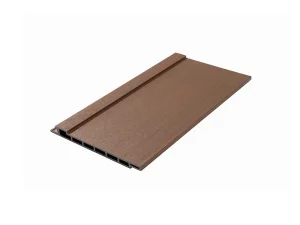
Forestar SlatWeave Waterproof Composite Deck Cladding for Houses
Explore Technical Specs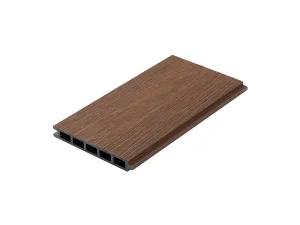
HorizonLine Low Maintenance Wood Plastic Composite Fence Panels
Explore Technical Specs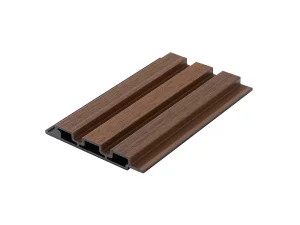
CrestWall WPC High-Durability Wall Siding & Cladding
Explore Technical Specs
HorizonLine Exterior Grade Perimeter Privacy Composite Fence Panels
Explore Technical Specs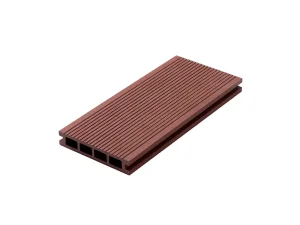
TimberFlow WPC Decking Boards with Micro-Etched Anti-Slip Surface
Explore Technical Specs
Forestar Factory SlatWeave Waterproof Architectural Tiny House Cladding
Explore Technical Specs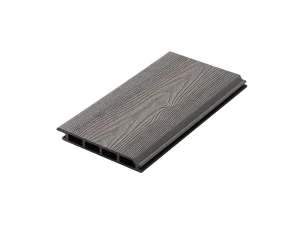
PlaneSleek Precision WPC Exterior Cladding Panels UV Protection
Explore Technical Specs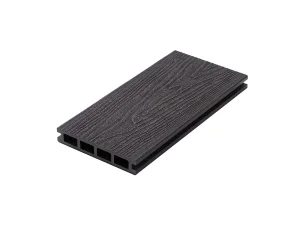
EclipseGrain Waterproof UV Resistant Composite Decking Boards
Explore Technical SpecsGlobal Enterprise Demand & Industrial Specification Trends
Institutional investors, off-grid hospitality resorts, and municipal housing authorities are transforming modular residential construction through prefabricated wood-plastic composite (WPC) micro-architectures.
Hospitality & Eco-Resort Glamping Clusters
High-end glamping operators, national park concessions, and eco-retreat operators demand turnkey tiny houses with structural WPC thermal envelopes. Traditional timber structures rot, warp, and demand constant re-staining in humid forests or oceanfront conditions. Forestar's co-extruded capped composite materials provide lifetime UV and mold resistance, significantly reducing seasonal downtime and maintenance operational expenditures (OpEx).
Urban ADU & Backyard Housing Densification
Municipal zoning relaxations across the United States (California AB-68, Oregon HB-2001) and Western Europe have fueled exponential growth for Accessory Dwelling Units (ADUs). Developers require prefabricated flat-pack kits that fit into standard 40ft High Cube containers and assemble on-site in less than 48 hours without specialized heavy lifting equipment, keeping construction noise and logistics footprints minimal.
Industrial Workforce & Disaster Resilience
Mining, oil & gas, infrastructure contractors, and disaster relief agencies operate in extreme climates ranging from Finnish sub-zero freeze-thaw cycles to Middle Eastern desert heat (+50°C). Tiny house modules constructed with Forestar wood-plastic composite profiles provide superior dimensional stability, wind load resistance up to Beaufort Scale 11, and flame retardance compliant with EN 13501-1 and ASTM E84.
Why High-Density Co-Extrusion Outperforms Traditional Tiny House Materials
Analyzing the chemical, thermal, and mechanical differences between conventional lightweight timber/SIP panels and Forestar polymer-modified composite envelopes.
Forestar High-Performance Co-Extruded Composite (Capped WPC)
Forestar's proprietary extrusion process bonds a dense structural core—comprising 60% micro-milled reclaimed hardwood fiber and 30% recycled high-density polyethylene (HDPE)—with a 360-degree protective outer shield. This continuous shield encapsulates the board against moisture intrusion, ozone degradation, and severe abrasion. Unlike raw timber, it requires zero toxic chemical treatments (such as CCA or ACQ) and completely eliminates termite or fungal colonization.
- Thermal Stability: Engineered expansion coefficients mitigate longitudinal thermal crawling.
- Surface Technology: Cool-touch pigment additives reflect infrared radiation, reducing surface temperatures in summer.
- Chemical Resistance: Impervious to salt spray, chlorinated poolside splashes, and acid rain.
Conventional Timber & Low-Grade Sheet Claddings
Softwood sidings (pine, cedar, larch) commonly utilized by generic tiny house builders suffer rapid cellulose breakdown under solar UV exposure. Within 12 to 24 months, microscopic checking allows atmospheric water to penetrate the fiber matrix, initiating rot, fungal decay, and chronic fastener pull-out. Commercial operators are forced into expensive, recurring annual cycles of stripping, pressure-washing, and toxic staining.
- High Maintenance Overhead: Ongoing labor and chemical expenses add over 35% to lifecycle cost.
- Safety Hazards: Prone to splintering, surface micro-cracks, and slippery mold growth.
- High Environmental Footprint: Continuous logging of virgin forests and toxic biocidal runoff into local soil.
| Evaluation Parameter | Forestar WPC Tiny House Modules | Treated Pine / Softwood | Standard Metal / Sandwich Panels |
|---|---|---|---|
| Expected Service Life | 25 - 30+ Years (Zero Rot) | 7 - 12 Years (Requires Re-coating) | 10 - 15 Years (Prone to Denting/Rust) |
| Annual Upkeep Requirement | Routine water rinse only | Sanding, staining, biocide sealing | Repainting scratched seams, seal inspection |
| Moisture Absorption Rate | < 0.5% (Non-swelling) | 15% - 28% (Severe Warping) | 0% (Condensation traps internal water) |
| Fire Performance Classification | EN 13501-1 Class B-s1, d0 | Euroclass D / E (Highly combustible) | Class A to B (Depends on core foam insulation) |
| Sustainability & Recycled Content | Up to 90% Recycled Raw Material | 0% (Virgin forest timber) | Low circularity; petrochemical foam cores |
Next-Generation Tiny House Modular Manufacturing
Forestar's research and development roadmap integrates smart manufacturing, parametric engineering, and advanced circular polymer science through 2028.
AI-Driven Automated CNC Precision Extrusion
Our Xuancheng production lines utilize computer-vision optical sorters and algorithmic thermal zone controllers. Every batch of wood-polymer melt is dynamically monitored for density, moisture content, and molecular weight distribution. Resulting profiles deliver dimensional tolerances within ±0.3mm, ensuring modular tiny house panels lock seamlessly into light-gauge steel frames without on-site cutting or shimming.
BIPV Solar Roof & Facade Integration
In collaboration with leading photovoltaic manufacturers, Forestar is developing modular WPC exterior roof cladding channels engineered with integrated Building-Integrated Photovoltaics (BIPV). These micro-grooved interlocking profiles route low-voltage DC conduits inside the insulated cavities, allowing off-grid tiny homes to generate 3.5 kWp to 6.0 kWp of clean electricity directly from their composite envelope.
Closed-Loop Zero-Waste Circular Lifecycle
Aligning with European Green Deal directives and North American ESG procurement mandates, Forestar operates a closed-loop scrap reclamation program. 100% of internal factory offcuts and end-of-life tiny house components can be granulated, thermally re-stabilized, and reintroduced into core extrusion lines without mechanical strength degradation.
Compliance Assurance Across Major Global Jurisdictions
International commercial tenders require strict compliance with building codes, fire regulations, and structural certifications. Forestar systems provide full validation dossiers.
North American Standards (USA & Canada)
Fully aligned with International Residential Code (IRC) Appendix AQ (Tiny Houses) and IBC exterior envelope mandates. Tested in accordance with ASTM D7032 (Standard Specification for Establishing Performance Ratings for Wood-Plastic Composite Deck Boards and Guardrail Systems) and ASTM E84 Class B flame spread indices.
European Union CE & REACH Compliance
Forestar profiles carry CE marking under EN 15534 (Composite made from cellulose-based materials and thermoplastics). Completely free of volatile organic compounds (VOCs), phthalates, and heavy metal pigments, fully compliant with EU REACH regulations for residential and hospitality occupied spaces.
Oceania AS/NZS Structural & Slip Ratings
Evaluated against Australian NCC (National Construction Code) standards. TimberFlow and EclipseGrain decking achieve verified Australian AS 4586 wet pendulum slip resistance rating P4/P5, ensuring safety for luxury poolside cabins, high-humidity verandas, and sloping terrain tiny home platforms.
Prefabricated Sheds, Anti-Slip Platforms & Modular Envelopes
Complete architectural systems engineered for flat-pack container shipping, fast on-site commissioning, and extreme weather performance.
EclipseGrain Poolside Grade Waterproof UV Composite Decking
Explore Technical Specs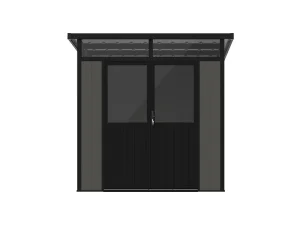
MiniStar Modular WPC Outdoor Storage Unit & Garden Shed Kit
Explore Technical Specs
Commercial Heavy-Traffic EclipseGrain Composite Substructure Decking
Explore Technical Specs
TimberFlow High-Traction WPC Decking for Tiny House Terraces
Explore Technical Specs
PlaneSleek UV Shielded Modern Architecture Cladding Panels
Explore Technical Specs
MiniStar Heavy-Duty Weatherproof WPC Modular Utility Structure
Explore Technical Specs
Forestar Factory TimberFlow Engineered Subfloor Composite Boards
Explore Technical Specs
Waterproof EclipseGrain Co-Extruded Decking for Modular Cabins
Explore Technical SpecsFrequently Asked Questions for Importers & Modular Builders
In-depth answers addressing structural engineering, OEM customization, container packing, and quality verification protocols.
What specific advantages do Forestar WPC systems offer for commercial tiny house projects over traditional timber?
How does Forestar manage factory-direct container consolidation for global distributors?
Can Forestar accommodate custom architectural profiles, bespoke colors, and private-label OEM packaging?
What international testing standards and certifications support Forestar products?
What is the standard procedure for ordering physical evaluation samples prior to full container orders?
How do Forestar tiny house and modular envelope structures perform in extreme cold or tropical climates?
Partner Directly with Forestar — China's Leading WPC Tiny House & Building Systems Manufacturer
Whether you are structuring an institutional glamping resort tender, scaling an urban ADU modular production line, or looking for reliable container-direct distribution margins, our engineering sales team delivers comprehensive quotes, structural datasheets, and technical support within 24 business hours.