
Featured Prefabricated & Architectural Composite Enclosures
Verified structural profiles, high-load decking, protective exterior cladding, and weather-resistant modular shed assemblies precision-engineered for modern tiny houses and off-grid living pods.
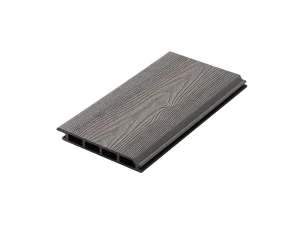
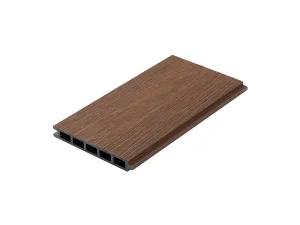
Engineering Next-Generation Tiny Houses: Wood-Plastic Composites Meets Modular Prefabrication
The global tiny house movement has transitioned from an informal DIY subculture into a multi-billion dollar industrial prefabricated construction sector. Modern micro-living units demand structural resilience, thermal efficiency, zero-maintenance envelopes, and circular sustainability.
Co-Extrusion Shield Technology
Traditional timber tiny houses deteriorate rapidly when exposed to fluctuating micro-climates, requiring constant repainting and chemical resealing. Forestar's proprietary capped composite envelope encapsulates high-density polymer matrices around wood fibers, resisting mold, rot, termite colonization, and thermal warping from -40°C to +65°C.
Circular Life-Cycle & Recycled Content
Operating under ISO 14001 guidelines, our manufacturing process repurposes reclaimed timber industrial by-products and post-consumer recycled polyolefins (HDPE/PP). With up to 90% recycled material formulations, our tiny house structural skins and decking modules reduce embodied carbon and help developers earn international LEED, BREEAM, and WELL building credits.
Integrated Modular Envelope
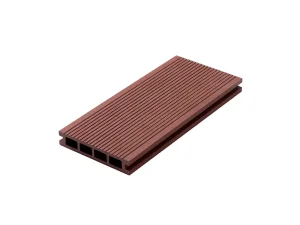
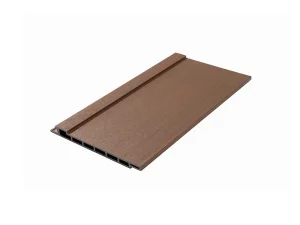
Unlike disjointed retail supply chains, buying direct from specialized China factories provides single-source harmonized modular assemblies: structural base chassis subfloors, tongue-and-groove SlatWeave wall paneling, TerraShield weather decking, and lockable storage pods calibrated for seamless on-site mechanical interlock.
Why Global Developers & Wholesalers Buy Tiny House Infrastructure Directly from China
The convergence of deep raw-material supply ecosystems, highly automated multi-axis extrusion lines, and optimized intermodal container logistics establishes Chinese manufacturing hubs as the world's most competitive supply source for tiny home builders and prefabricated building brands.
Automated Extrusion Lines
Our facilities in Xuancheng, Anhui utilize continuous multi-cavity twin-screw extruders with infrared real-time laser gauging. This ensures dimensional tolerance variance is kept under ±0.2mm across 5.8-meter shipping lengths, eliminating field-fit discrepancies.
Turnkey BOM Consolidation
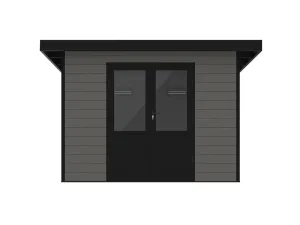
Procurement officers can consolidate entire tiny house envelopes into standardized 40-foot High Cube (40HC) ocean containers: subfloor joists, anti-slip veranda decking, tongue-and-groove exterior rainscreens, and matching lockable storage sheds.
Rigorous In-House Testing
Every production batch undergoes strict quality control protocols: 24-hour boiling water immersion tests, flexural modulus load testing, accelerated QUV ultraviolet weathering chambers, and char-depth flame spread analyses prior to issuing shipping manifests.
OEM & Private Label Support
We partner with regional tiny home builders and distributor networks to provide custom extrusion tooling, proprietary color swatches (from Scandinavian Birch to Deep Charcoal), customized branding on concealed fastening clips, and barcode-ready packaging.
| Evaluation Parameter | Forestar Composite Tiny House Systems | Traditional Softwood Lumber (Pine/Spruce) | Lightweight Steel / Aluminum Sheets |
|---|---|---|---|
| Annual Maintenance Overhead | Zero Chemical Sealing / Wash Only | Mandatory annual staining, oiling, and rot treatment | Coating touch-up, screw torque inspections, corrosion checks |
| Moisture Absorption Index | < 0.5% (Non-Hygroscopic Encapsulation) | 18% – 32% (Susceptible to deep wood rot) | 0% (Condensation and thermal bridging issues) |
| Thermal Acoustic Damping | High (Composite Polymeric Mass Absorbs Sound) | Moderate (Subject to dry splitting and acoustic leak) | Poor (High reverberation and rain echo) |
| Insect & Termite Immunity | 100% Inherent Resistance | Requires neurotoxic chemical impregnation | Immune |
| Container Packing Volume Efficiency | Optimized Flat-Pack Modules (Max m² / 40HC) | Bulky, irregular bundle packing losses | Risk of denting and scratch damage in multi-modal transit |
Navigating International Building Codes: CE, IRC Appendix Q & AS/NZS Verification
Procuring tiny homes and prefab materials across international borders requires rigorous alignment with jurisdictional life-safety codes, structural wind-load parameters, fire reactions, and environmental mandates.
IRC Appendix Q & US Standards
For US accessory dwelling units (ADU) and tiny houses under 400 sq. ft., exterior wall claddings and decking components must conform to ASTM E84 Class B or Class A flame spread ratings. Our TerraShield and PlaneSleek profiles offer independently certified flame-retardant chemistries that prevent rapid flame propagation along exterior walls.
European Standards: EN 13501 & REACH
Supplying developers across Germany, Austria, and Scandinavia requires stringent chemical non-toxicity and fire classification. Forestar's composite formulations pass EU REACH regulations (SVHC testing for heavy metals and plasticizers) and achieve EN 13501-1 reaction-to-fire class Bfl-s1/C-s1, ensuring compliance for public commercial resorts.
AS/NZS Cyclonic & UV Standards
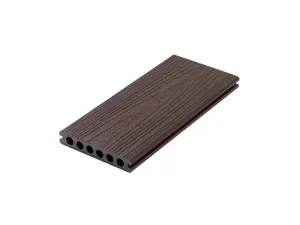
Oceania micro-living developments face extreme solar radiation index (SRI) values and high coastal humidity. Our TimberFlow decking and HorizonLine fencing have undergone accelerated xenon-arc UV aging tests simulating harsh Australian radiation, ensuring mechanical flexural stability and slip resistance up to Class P5 (AS 4586).
When specifying tiny houses mounted onto galvanized trailer chassis (THOW - Tiny House on Wheels) or standard ISO shipping container footprints, live dead-weight load optimization is crucial. Forestar high-performance hollow and engineered grooved composite profiles reduce envelope tare weight by up to 28% compared to solid hardwood planks, increasing road-legal payload margins for integrated solar arrays, water filtration units, and energy storage batteries.
B2B Commercial Applications & Market Growth Vectors (2025–2035)
The structural versatility of weather-sealed tiny house kits and composite architectural envelopes supports high-ROI commercial deployments across diverse geographic environments.
1. Luxury Glamping & Eco-Resorts
Eco-tourism operators leverage turnkey modular tiny pods to establish boutique accommodations on remote beachfronts, alpine ridges, and desert dunes without heavy civil foundations. The weather-tight WPC envelope withstands coastal salt mist and high humidity, eliminating the guest-room downtime common with timber maintenance.
2. Urban ADUs & Rental Densification
In metropolitan housing markets such as California, London, and Melbourne, progressive zoning reforms allow prefabricated Accessory Dwelling Units (ADUs). Developers purchase our flat-pack modular structures and SlatWeave cladding kits to erect turnkey rental studios within small backyard spaces in under two weeks.
3. Off-Grid Remote Workforce Villages
Mining companies, renewable energy park developers, and emergency infrastructure projects require durable modular micro-housing. Containerized tiny units outfitted with composite flooring and exterior panels endure heavy foot traffic, tool impacts, and rapid multi-cycle redeployments across rough sites.
Frequently Asked Questions for B2B Importers & Tiny House Builders
Detailed engineering answers covering minimum order quantities, container payloads, weather performance, and custom extrusion tooling for international enterprise buyers.
What are the key structural benefits of using WPC composite cladding and decking over real wood in tiny houses? +
How does Forestar ensure product compliance with regional building and fire codes (USA, Europe, Australia)? +
Can multiple product lines (decking, exterior cladding, fencing, outdoor storage sheds) be combined in a single container? +
What is the typical production lead time and minimum order quantity (MOQ) for factory direct orders? +
How does the factory support custom profile design and private-label packaging for brand distributors? +
Engineered Architectural Profiles & Outdoor Living Systems
Explore our complete range of capped decking, exterior siding panels, perimeter privacy screening, and locked utility pods engineered for long-term residential and commercial performance.
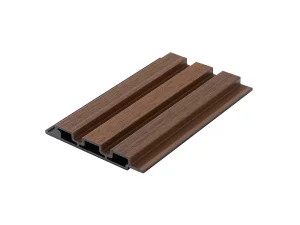
Connect Directly with Forestar's Modular Engineering Team
Plan your container consolidations, request physical sample kits for municipal code review, or obtain OEM custom profile die specifications directly from our Anhui manufacturing campus.