Featured Prefabricated Cabin & Structural Solutions
Factory-direct modular units, exterior weather envelopes, and composite architectural structures engineered for global commercial distribution.
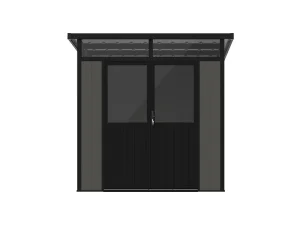
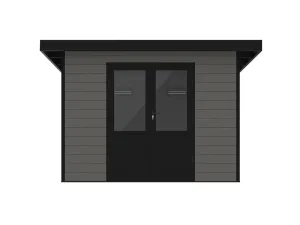
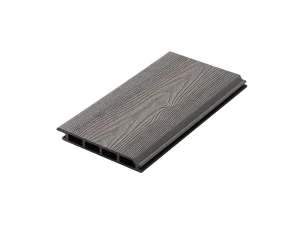
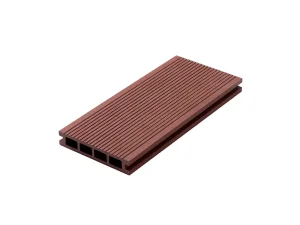
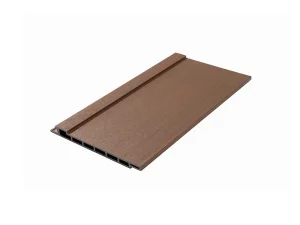
Global Corporate Procurement Demands for Tiny House Systems
Strategic analysis of corporate volume procurement, supply-chain risk mitigation, and the convergence of industrialized wood-plastic composites with modular architecture.
Prefabricated Infill & ADUs
Institutional real estate funds and residential portfolio managers are increasingly deploying turnkey tiny homes and modular accessory dwelling units (ADUs) to optimize urban density. Procurement officers require precision-engineered framing, standardized MEP (mechanical, electrical, plumbing) integration, and exterior envelope systems that bypass traditional on-site construction bottlenecks while meeting municipal zoning and safety codes.
Hospitality & Eco-Tourism
Boutique glamping resorts, hospitality chains, and eco-parks face distinct operational hurdles: high occupant turnover, aggressive UV exposure, salt air, and relentless humidity. Enterprise sourcing teams focus on maintenance-free exterior building skins that eradicate recurring cycles of pressure washing, caulking, staining, and painting, guaranteeing consistent visual curb appeal and maximizing occupancy revenues.
Turnkey Container Optimization
Commercial viability hinges on global logistics. International B2B buyers avoid single-unit oversize shipping penalties by demanding Semi-Knocked-Down (SKD) or Completely-Knocked-Down (CKD) modular architecture. By packaging high-precision interlocking composite panels, architectural beams, and substructures into standard 40ft High Cube containers, procurement directors slash intermodal freight costs per square foot by up to 68%.
Industrialized Micro-Architectural Applications
Addressing systemic housing crunches, rapid deployment requirements, and commercial operational footprints with circular composite manufacturing.
Climate-Resilient Remote Workpods & Micro-Offices
The structural decentralization of corporate enterprise workflows has catalyzed surging demand for acoustic-dampened, climate-buffered standalone garden offices. Traditional timber outbuildings succumb to thermal expansion, roof rot, and insect infiltration within 36 to 60 months. In contrast, Forestar’s co-extruded wood-plastic composite envelope structures integrate micro-cellular core technologies that deliver superior acoustic transmission class (STC) ratings and exceptional R-value thermal insulation. By incorporating high-performance WPC wall siding and lockable structural assemblies, corporate purchasers achieve plug-and-play productivity pods with minimal lifecycle depreciation.
Emergency Modular Relief & Municipal Interim Housing
When natural disasters or humanitarian displacement events disrupt conventional brick-and-mortar supply lines, municipalities require immediate, fire-resistant, and structural-load-certified micro-shelters. Forestar engineered composite shed and modular tiny house systems leverage standardized interlocking tongue-and-groove jointing, enabling untrained field crews to assemble complete, weather-tight living shells in under four hours using basic mechanical fasteners. The chemically inert composite skin rejects black mold, mildew, and airborne pathogens, ensuring hygienic living environments under extreme environmental duress.
Engineering Parameters: Wood-Plastic Composite Substrates
How nano-shield polymer capping, circular wood fibers, and automated extrusion lines overcome the degradation mechanisms of traditional timber and PVC.
Co-Extruded 360° Shielding
Unlike first-generation unshielded composite boards that suffer from localized surface erosion and gradual oil-based stain penetration, our next-generation capped profiles feature an ultra-dense, modified polymer outer layer. This impervious polymer jacket encompasses all four sides of the extrusion, preventing hydrostatic absorption, blocking deep UV photon breakdown, and rendering exterior surfaces impervious to red wine, greases, and industrial chemicals.
Dimensional Coefficient Control
Micro-living frameworks require strict linear tolerances. Organic timber experiences volumetric swelling of up to 8% across radial and tangential grain axes when exposed to fluctuating relative humidity. Forestar formulations utilize 60-80 mesh purified hardwood fibers encapsulated in high-density polyethylene (HDPE), limiting linear thermal movement to below 1.2 mm per linear meter across a 50°C delta T, ensuring windows and doors never jam.
Circular Material Metallurgy
With up to 90% reclaimed raw content, our manufacturing loop diverts tens of thousands of metric tons of post-industrial wood processing flour and post-consumer recycled plastic milk bottles/detergent jugs away from landfills. The resulting matrix delivers equivalent flexural modulus and rupture strength to pressure-treated southern yellow pine, entirely eliminating copper azole chemical leaching into surrounding groundwater systems.
Global Distribution & Regional Trade Dynamics
Examining how distinct climatic bands, national building regulatory paradigms, and logistics infrastructure dictate tiny house procurement requirements worldwide.
North America (US & Canada)
Sourcing focus concentrates on IRC Appendix Q tiny home compliance, wildfire ember ignition resistance (WUI codes), and severe snow load ratings for Pacific Northwest and Rocky Mountain installations. Flat-pack modular storage sheds and live-work backyard units must withstand up to 40 lbs/sq ft snow loads and 110 mph wind uplift.
European Union & UK
High regulatory emphasis on the Construction Products Regulation (CPR), CE marking, Euroclass EN 13501-1 reaction-to-fire performance, and rigorous REACH chemical safety thresholds. Importers require verified Life Cycle Assessment (LCA) declarations to support client eligibility for carbon-reduction subsidies and BREEAM certifications.
Australia & Oceania
Extreme ultraviolet radiation degradation indexes and cyclonic wind conditions dominate engineering requirements. Importers specify AS 1530 fire testing, Bushfire Attack Level (BAL) compliance ratings, and certified anti-slip profiles (AS 4586 Class P4/P5) across modular deck access ramps and wet-area pool surrounds.
Latin America & Middle East
Projects demand thermal deflection stability under continuous radiant heat exceeding 45°C, accompanied by resistance to saline corrosion in coastal resort zones. In hot, arid regions, capped composite profiles prevent catastrophic splitting and embrittlement, ensuring that luxury tiny cabanas retain structural integrity and aesthetic richness.
Total Cost of Ownership (TCO): 10-Year Lifecycle Comparison
Rigorous lifecycle accounting: Evaluating direct capital expenditure (CapEx) against long-term maintenance expenditure (OpEx) for commercial micro-living investments.
| Evaluation Parameter | Forestar Capped WPC Modular Shell | Pressure-Treated Softwood Framing | Structural Insulated Panels (SIPs / OSB) |
|---|---|---|---|
| Initial Material & Freight Cost | Moderate (Optimized via 40ft HQ consolidation) | Low initial purchase price | High manufacturing and transit CapEx |
| Yearly Surface Re-Coating | $0.00 / Zero Stain or Sealant | $450 – $800 per unit annually | $300 – $600 painting every 24 months |
| Rot, Termite & Insect Vulnerability | Immune (HDPE Encapsulation) | High vulnerability; requires chemical treatments | High edge-rot risk if envelope leaks |
| Moisture Absorption Rate | < 0.5% after 24-hr full immersion | 18% – 28% atmospheric equilibrium | 12% – 20% with irreversible swelling |
| 10-Year Total Maintenance OpEx | Minimal (Periodic soap & water wash) | 140% – 220% of original unit cost | 60% – 90% of original unit cost |
| End-of-Life Environmental Profile | 100% Recyclable into new WPC extrusions | Treated with toxic biocides (Landfill bound) | Difficult delamination and resin waste |
Localization Framework & Global Compliance Assurance
Eliminating customs clearance friction, municipal permitting delays, and insurance liabilities through rigorous third-party laboratory accreditations.
Fire Propagation & Smoke Density
Deploying tiny living structures in wildland-urban interface (WUI) zones requires strict fire retardancy. Forestar composite formulations incorporate advanced halogen-free mineral flame inhibitors that achieve Euroclass B-s1,d0 and ASTM E84 Class A/B flame spread performance. Panels generate exceptionally low smoke toxicity and zero flaming droplets during combustion events, safeguarding occupant egress routes.
Mechanical Structural Load Testing
From roof truss load distribution under intense blizzards to horizontal wind shear on seaside bluffs, our modular profiles undergo destructive multi-axis load tests certified by SGS and Intertek. Standardized corner locking joints and reinforced internal galvanized steel stiffeners allow Forestar structures to comfortably sustain lateral gust velocities exceeding Category 3 hurricane thresholds without structural rack or panel detachment.
Chemical Purity & Indoor Air Safety
Volatile organic compounds (VOCs) and formaldehyde off-gassing present acute toxic hazards in confined micro-living spaces. Every batch of Forestar WPC profiles complies fully with European Union REACH Regulation (EC 1907/2006) and RoHS protocols. Siding, flooring, and paneling are zero-formaldehyde certified (EN 717-1 Class E1), guaranteeing superior indoor environmental air quality from the initial move-in day.
B2B Turnkey Engineering: From Prototype to Container Port
Structured four-stage methodology ensuring full architectural customization, private-label branding, and guaranteed dimensional repeatability.
Architectural Specification
Importers provide regional CAD/BIM floor plans, required structural load profiles, target U-values, and regional socket/window openings. Our Xuancheng engineering studio adapts designs for optimal composite panel extrusion lines.
Color & Grain Prototyping
Physical sample validation kits are dispatched via expedited courier. Buyers inspect realistic 3D deep woodgrain embossments, matte surface finishes, and UV stability under authentic regional sunlight conditions prior to full tooling.
Automated Extrusion & QC
Production takes place on computerized parallel twin-screw extruders. Continuous laser calipers verify profile wall thickness, tongue-and-groove dimensional tolerances, and hydrostatic resistance according to ISO 9001 and ISO 14001 audits.
Export Consolidation
Components are packaged in weather-resistant export crates with integrated corner guards and moisture desiccants. Decking, cladding, trim accessories, and shed panels are consolidated into single container loads with complete bill of lading documentation.
Frequently Asked Questions for Commercial Buyers
Direct engineering and operational answers addressing supply chain lead times, installation logistics, thermal efficiency, and warranty backing.
Why source WPC tiny house products instead of traditional lumber or shipping containers?
Shipping container conversions suffer from severe thermal bridging, interior condensation, toxic original floor treatments, and rapid rust formation in humid settings. Traditional softwood lumber requires continuous chemical sealing, painting, and insecticide treatment. Forestar capped WPC composite products merge the natural warmth and aesthetic of authentic timber with the zero-maintenance resilience of advanced polymers. They do not rot, splinter, corrode, or harbor wood-boring pests, delivering vastly superior lifecycle ROI.
How do Forestar tiny house and modular units ship to reduce freight expenses?
Fully built tiny homes require costly specialized wide-load transport and ocean breakbulk freight. Forestar engineers all outdoor buildings, storage sheds, and tiny house envelopes as modular, flat-packed Semi-Knocked-Down (SKD) kits. High-precision interlocking panels, substructure beams, and hardware kits nest tightly into standard 40ft High Cube intermodal shipping containers, enabling importers to transport up to 300% more square footage per maritime voyage.
What thermal performance and insulation levels can be achieved?
Our multi-wall composite cladding and wall systems can be deployed over conventional light gauge steel (LGS) or timber framing incorporating polyisocyanurate (PIR), mineral wool, or spray-foam insulation cores. This multi-layer hybrid approach easily achieves system R-values from R-15 to R-30+ (U-values below 0.20 W/m²K), exceeding the residential energy code mandates of cold Nordic climates and extreme desert environments alike.
Can composite shed and tiny house units withstand extreme wind shear and heavy snow?
Yes. Forestar structures such as the RidgeStar and CeilingStar lines are engineered with internal heavy-gauge hot-dipped galvanized steel trusses and corner ties. Roof configurations are rated to withstand heavy ground snow loads of up to 150 kg/m² (30.7 lbs/sq ft) and localized aerodynamic wind gusts exceeding 130 km/h (80 mph), proven in installations stretching from Finland to coastal Chile.
What is the minimum order quantity (MOQ) and production lead time?
Standard factory MOQ begins at one 20ft container (approx. 800 to 1,200 square meters of composite profiles or 10-15 modular shed units), though multi-product container consolidation across decking, cladding, and sheds is standard practice. Standard manufacturing lead time is 20 to 30 days from engineering sign-off and deposit receipt, with expedited priority scheduling available for contracted volume programs.
Does the composite material require painting, sealing, or oil treatments?
Never. Forestar 360° co-extruded capped boards feature an engineered non-porous polymer shield that locks out moisture, mold, and atmospheric grime. Routine seasonal maintenance is limited to washing with lukewarm water, mild household detergent, and a soft-bristle brush. Chemical stains, motor oil spills, and graffiti can be wiped away without leaving discoloration or damaging the embossed woodgrain pattern.
What warranty protection is extended to international distributors?
We provide a 15 to 25-year structural and stain/fade limited warranty for residential installations, and a 10 to 15-year warranty for heavy commercial applications. This comprehensive warranty protects your enterprise against structural splitting, rot, fungal decay, termite damage, and abnormal surface color fading beyond 5 Delta E units (measured under ASTM D2244 colorimeter protocols).
Can we order physical samples and custom colors for project bidding?
Yes. We strongly encourage all trade partners, landscape architects, and municipal procurement directors to evaluate our sample binder before committing to large container allocations. Custom color matching (RAL and Pantone), customized surface grooving patterns, and specific extrusion board lengths can be formulated by our R&D laboratory upon technical review.
Engineered Composite Products & Enclosures
Browse heavy-duty outdoor storage units, snow-load-rated garden structures, privacy architectural fencing, and co-extruded wall cladding.