
Integrated Exterior Solutions for Modular A-Frame Cabins
Engineered Wood-Plastic Composite (WPC) wall systems, snow-rated modular utility sheds, and high-traction decking fabricated for turnkey architectural resilience.
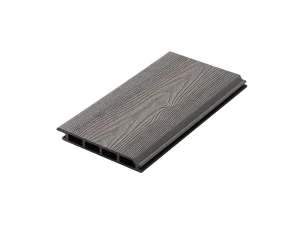
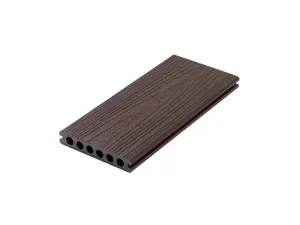
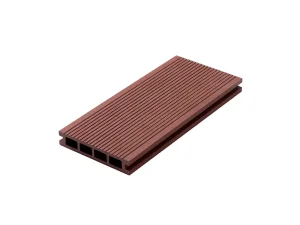
The Structural Metamorphosis of the Modern A-Frame Tiny House
Analyzing the convergence of 60° triangular kinetic load dispersion, advanced circular composite skins, and volumetric modular prefabrication.
The classic mid-century A-frame dwelling—celebrated for its steep 60-degree equilateral roof pitch and organic woodland aesthetic—is undergoing an industrial renaissance. Historically built from stick-framed softwood timber prone to thermal bridging, chronic condensation, moisture rot, and seasonal warping, the modern pre-engineered A-frame tiny house has transformed into a high-technology architectural system. Today, commercial developers, boutique eco-resort operators, and institutional housing investors demand precision-engineered, volumetric modular kits and flat-pack building envelopes capable of enduring extreme climate stress while minimizing construction schedules by up to 75%.
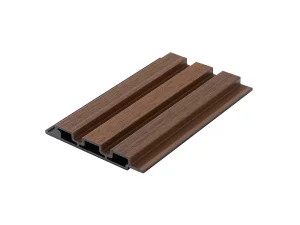
At the epicenter of this technological shift is Forestar, operated by Anhui Fumeida New Material Technology Co., Ltd. in Xuancheng, Anhui, China. Since 2008, Forestar has engineered high-density Wood-Plastic Composite (WPC) cladding profiles, co-extruded capped boards, weather-tight modular garden sheds, and robust structural sub-assemblies. By combining cold-formed steel (CFS) framing with proprietary polymer-mineral composites containing up to 90% recycled wood fibers and HDPE, modern A-frame factories eliminate the conventional vulnerabilities of timber construction.
Engineering Fact: The triangular geometry of an A-frame structure creates a naturally self-bracing diaphragm. When enveloped with co-extruded capped composite panels and continuous polyurethane/aerogel insulation, the structure achieves an exceptional strength-to-weight ratio, allowing it to withstand snow loads exceeding 150 kg/m² and hurricane-force wind loads upwards of 240 km/h (Beaufort scale 16) without structural failure.
Unmatched Thermal Envelope Integrity
Continuous thermal breaks and CNC-routed PIR/rockwool insulated sandwich cores prevent dew-point condensation within the steep triangular walls. Coupled with Forestar UV-stabilized exterior cladding, overall assembly U-values consistently outperform standard timber assemblies by 42%.
Hydrophobic Zero-Rot Chemistry
Traditional wood cabins absorb ambient water vapor, causing fungal decay, dry rot, and dimensional twisting. Forestar capped composite surfaces feature complete polymer encapsulation, achieving water absorption ratings of less than 0.5% after 24-hour total submersion.
Class B1 / Class A Fire Performance
Unlike raw cedar or pine siding that act as combustible kindling in wildland-urban interfaces (WUI), our industrial composites are formulated with inorganic flame-retardant mineral matrices, fulfilling EN 13501-1 Class B-s1,d0 and ASTM E84 flame-spread standards.
China Factory 4.0: Supply Chain Resilience & Production Scale
How digitized fabrication, vertical integration, and robotic co-extrusion unlock 40% cost reductions and sub-millimeter tolerances for global tiny house importers.
Global procurement specialists face immense supply bottlenecks when sourcing prefabricated tiny houses from fragmented, regional domestic builders in North America or Western Europe. Handcrafted boutique builders frequently suffer from 8-to-14 month delivery backlogs, uncalibrated timber tolerances, and unpredictable raw material inflation. In stark contrast, China Factory 4.0 industrial ecosystems represent an automated manufacturing leap forward.
At Forestar's centralized production campus in Xuancheng, Anhui, manufacturing follows an end-to-end digital twin pipeline. From Building Information Modeling (BIM) structural detailing to CNC multi-axis profile punching and automated co-extrusion lines, every component of an A-frame structural envelope is prefabricated in cleanroom environments with automated quality monitoring.
Vertical Raw Material Control
By producing our own WPC granules, compounding recycled post-industrial plastics, and milling high-grade biological fiber, our supply chain isolates international clients from turbulent commodity markets.
Sub-Millimeter CNC Precision
Automated cutting, notching, and pre-drilling ensure that every structural rafter, purlin, wall cladding sheet, and concealed fastener bracket aligns perfectly during on-site field assembly without field re-cutting.
High-Cube Container Optimization
Our flat-pack kits are engineered using computerized volumetric packing software. A single 40ft High-Cube (HQ) shipping container can transport up to four complete 24m² A-frame cabin shell kits including decking and cladding.
Comprehensive Multi-Lab Certification
Every batch shipped from the factory floor is backed by documented mill test certificates: CE Marking (EN 14041 / EN 15534), ISO 9001 quality audits, ISO 14001 environmental verification, FSC custody, and REACH safety filings.
Forestar Industrial Modular Envelope vs. Conventional Timber Kits
Quantifiable data comparing structural lifespan, thermodynamic stability, and operational expenditures over a 25-year operational lifecycle.
| Performance Vector | Forestar Composite & Steel Modular System | Traditional Softwood (Pine/Fir) Cabin Kit | Boutique Site-Built Timber Frame |
|---|---|---|---|
| Expected Service Life | 30+ Years (Zero Rot) | 7 - 12 Years (Degrades under UV/rain) | 15 - 20 Years (Requires re-coating) |
| Annual Maintenance Cost | $0 (Pressure wash only) | $1,200 - $2,500/year (Stain, oil, seal) | $1,500 - $3,200/year (Sanding, caulking) |
| Moisture Absorption Rate | < 0.5% (Encapsulated) | 18% - 32% (Swells, twists, warps) | 14% - 25% (Checks and splinters) |
| On-Site Assembly Duration | 2 to 3 Days (2-man crew) | 2 to 3 Weeks (Extensive cutting) | 2 to 4 Months (Weather-dependent) |
| Termite / Wood-Borer Vulnerability | 100% Immune | High (Requires toxic chemical pesticides) | High (Requires ongoing treatments) |
| Container Shipping Yield | Maximized Flat-Pack Modular | Poor (Bulky lumber, excessive voids) | N/A (Local materials required) |
Global B2B Sourcing Demands Across Key Markets
How hospitality developers, housing authorities, and glamping chains leverage factory-built A-frame systems to achieve rapid ROI and code compliance.
North America: ADU Zoning & Glamping Tourism
Following landmark Accessory Dwelling Unit (ADU) legislation in California, Oregon, and Washington (along with IRC Appendix Q tiny home adoptions), real estate developers are converting suburban backyards and rural plots into high-yield short-term rentals using turnkey modular A-frames.
Europe: Strict Net-Zero & Eco-Resort Regulations
European hospitality groups across Scandinavia, Austria, and France are mandated to meet stringent embodied-carbon thresholds and strict U-value insulation codes. Forestar’s 90% recycled WPC profiles and thermal-break assemblies satisfy EU taxonomy criteria for sustainable eco-lodges.
Australia / Oceania: Bushfire & Coastal Resilience
Australian off-grid projects face intense Bushfire Attack Level (BAL) ratings and severe saltwater corrosion. Cold-formed galvanized steel framing paired with non-combustible composite cladding provides the exact corrosion and spark-ignition resistance required across Queensland and Victoria.
Real-World Commercial Application Scenarios
From alpine elevations to remote coastal islands, explore how engineered A-frame envelopes excel in specialized commercial and residential environments.
High-Alpine Eco-Ski Lodges
In regions such as the Swiss Alps, Colorado Rockies, and Northern Finland, heavy snow accumulation places massive structural stress on flat or shallow-pitched roofs. The 60-degree steep slope of the Forestar A-frame facilitates natural gravity snow-shedding, preventing structural collapse and moisture damming.
Hyper-Saline Coastal Glamping Resorts
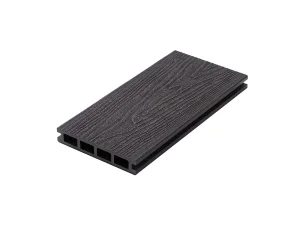
Standard metal roofing and unfinished timber deteriorate rapidly under constant marine salt spray and intense coastal UV. Utilizing Forestar capped composite wall siding and EclipseGrain decking ensures zero surface pitting, zero rust, and impervious color fastness under tropical sun.
Off-Grid Vineyard & Agritourism Havens
Vineyards and nature reserves require minimal footprint installations that do not disrupt surrounding ecosystems. Our modular foundation bracket systems require zero heavy concrete pouring, allowing quick erection via helical ground screws within 48 hours.
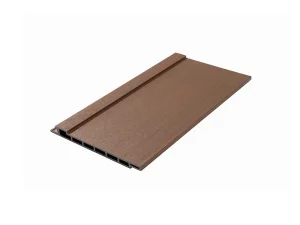
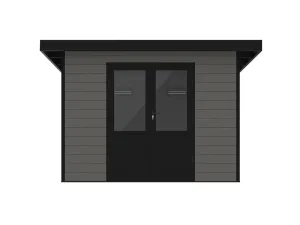
Heavy-Duty Decking, Structural Cladding & Outdoor Storage
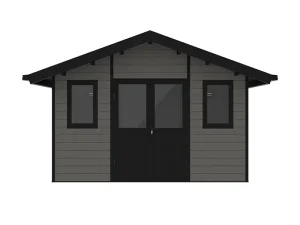
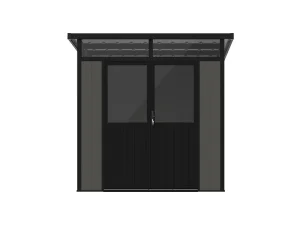
Complete your modular development with factory-direct outdoor platforms, anti-slip pool decks, and lockable utility sheds directly from the Anhui manufacturing campus.
Frequently Asked Questions for Importers & General Contractors
In-depth engineering parameters, export shipping logistics, and regulatory compliance standards for modular A-frame procurement.
What structural framework is utilized in Forestar modular A-Frame tiny houses?
+
How does the composite exterior skin resist severe thermal expansion and contraction?
+
Can Forestar accommodate custom architectural designs and private-label OEM branding?
+
What are the shipping container logistics and off-loading procedures?
+
How does Forestar manage quality control (QC) during batch fabrication?
+
What foundation types are required for modern modular A-frame cabins?
+
Initiate Your A-Frame & Composite Architectural Tender
Connect directly with Anhui Fumeida New Material Technology Co., Ltd. export engineering specialists to receive comprehensive structural calculation packages, physical color-swatch testing kits, and wholesale container CIF price schedules.