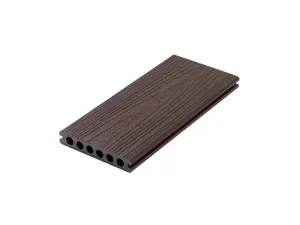
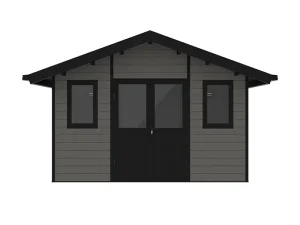
Best Tiny Small House Manufacturer & Factory
Industrial Precision Hardware
Featured Prefab Architectural Systems
Standardized engineering units, structural envelopes, and weather-sealed modules manufactured direct from our primary industrial production complex.
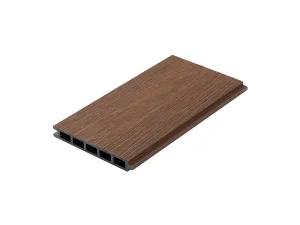
HorizonLine Wood Plastic Composite Enclosure Panels
Technical Specs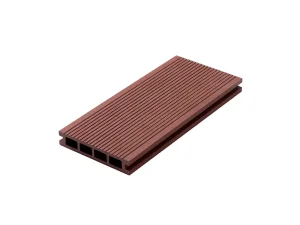
TimberFlow Engineered WPC Foundation Sub-Boards
Technical Specs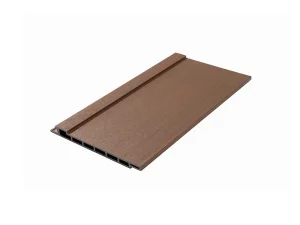
FORESTAR SlatWeave Modern Tiny House Cladding
Technical Specs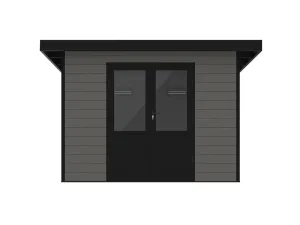
CeilingStar Compact Utility Unit & Tool Outbuilding
Technical Specs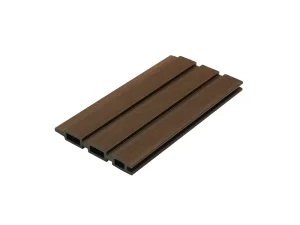
Hidden-Fastener WPC Architectural Perimeter Screen
Technical Specs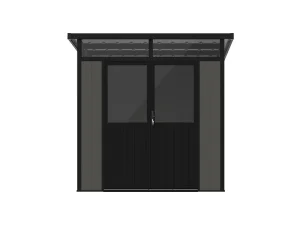
MiniStar Modular Storage Outbuilding with Secure Lock
Technical Specs
Factory-Direct MiniStar Heavy-Duty Weatherproof Unit
Technical Specs$14.2B
Global Market by 2030
8.4%
Projected Annual CAGR
45+
Importing Nations Supplied
90%
Circular Recycled Content
Industry Intelligence & White Paper
The Paradigm Shift in Micro-Architectural Manufacturing
How robotic off-site prefabrication, closed-loop wood-plastic composites (WPC), and automated thermal envelopes are revolutionizing the industrial production of tiny small houses, modular pods, and perimeter habitats.
Structural Light-Gauge & Composite Hybrids
Traditional stick-built tiny structures present significant supply chain inefficiencies, wood warping, and thermal bridging vulnerabilities. As a premier direct factory manufacturer, we utilize cold-formed light-gauge steel (LGS) integrated with co-extruded wood-plastic composite profiles. This synergy eliminates rotational decay, withstands continuous seismic vibrations during multi-modal logistics, and guarantees lifetime dimensional fidelity across extreme thermal gradients.
Continuous Automated Production
The manufacturing floor operates via digital twin workflows, running continuous twin-screw extrusion systems alongside multi-axis CNC processing stations. Every joist, wall envelope, tongue-and-groove joint, and weather-deflecting composite cladding panel is cut to millimeter precision. This precision-first methodology lowers assembly tolerances to under 0.5mm, streamlining the execution of flat-pack knock-down (KD) configurations for worldwide container shipments.
Circular Material Science & Decarbonization
By valorizing industrial wood waste fibers and refined post-consumer polyolefins, our formulations reach up to 90% recycled material volume. Operating under strict REACH, RoHS, and FSC guidelines, the resulting composite skins provide near-zero moisture absorption (sub-0.5% after 24-hour total immersion), eliminating the biological rot, mold incubation, and periodic maintenance inherent to lumber-constructed tiny spaces.
Global Scalability
Engineered Scenarios Across Five Continents
From sub-zero Arctic freeze-thaw shifts to hyper-humid equatorial coastlines, our tiny small house frameworks fulfill hyper-localized regulatory, architectural, and climatic imperatives.
North American Urban ADU Deployment
Responding to updated Accessory Dwelling Unit (ADU) legislation across California, Oregon, and Washington state, our modular housing solutions serve as turn-key backyard offices, guest suites, and multi-family infill units. The heavy snow-load-rated roofing systems, paired with Class B/A fire-resistant composite exterior envelopes, comply effortlessly with IBC, IRC, and Title 24 energy performance codes without expensive redesign cycles.
Nordic & Alpine Extreme Climate Shelters
Deployed throughout Finland, Austria, and high-altitude European sectors, the double-gasketed structural panels feature continuous thermal break technology. Engineered to resist structural dead-weights under severe blizzard conditions, our high-density co-extruded outer capping prevents thermal cracking down to -40°C, isolating the internal envelope from sub-zero temperature transfer.
Equatorial & Coastal Eco-Resort Pods
In high-salinity and high-humidity maritime belts such as Colombia, Southeast Asia, and the Caribbean, conventional metal outbuildings rust while softwoods rot within two seasons. Our marine-grade WPC modules resist salt-spray fogging, offer comprehensive subterranean termite defense, and exhibit zero mold propagation, delivering an operational lifespan exceeding 25 years with zero paint recoating.
Engineering Evaluation
Material Engineering Comparison Matrix
Standard industry building parameters juxtaposed against Forestar advanced Wood-Plastic Composite and Hybrid Structural Envelopes.
| Evaluation Parameter | Forestar Composite System | Softwood / Structural Timber | Galvanized Sheet Steel | Standard PVC / Vinyl Units |
|---|---|---|---|---|
| Moisture Absorption (24h) | < 0.4% (Hydrophobic Barrier) | 18% – 32% (High Swell Risk) | 0% (Seam Leaks Common) | < 0.2% (Sealant Dependent) |
| Biological Decay & Termites | Immune (Synthetic Inhibitors) | Highly Susceptible | Immune | Immune |
| Thermal Expansion Control | Engineered Clip Gap Integration | Unpredictable Warping | High Expansion / Oil-Canning | High Thermal Deformation |
| Surface Recoating Cadence | Zero (Lifetime Pigment Stability) | Annual Stain / Oil Required | 3-5 Year Paint Maintenance | None (Becomes Brittle via UV) |
| Fire Retardancy Standard | EN 13501-1 Class B-s1, d0 | Class D or Worse (Untreated) | Class A (Non-Combustible) | Class C / Toxic Gas Risk |
| Embodied Carbon Impact | Low (Up to 90% Recycled Content) | Low (If Responsibly Sourced) | Very High Industrial Energy | High Petrochemical Origin |
Future-Ready Manufacturing
Technological Roadmap: 2026–2030
Our strategic development horizons merge smart off-grid micro-grids, automated robotics, and carbon-negative composite chemistries.
Phase 01 · 2026
Photovoltaic Cladding (BIPV)
Commercialization of building-integrated photovoltaic thin films encapsulated directly into exterior composite cladding profiles, transforming the exterior envelope of every tiny small house into a decentralized energy generator.
Phase 02 · 2027
Bio-Polymer Matrices
Replacing fossil-based polyolefins with 100% post-agricultural crop waste polymers and bio-resins, targeting true net-zero embodied carbon across every modular outbuilding batch produced.
Phase 03 · 2028
IoT Sensorized Panels
Factory integration of micro-strain, relative humidity, and core-temperature RF sensors within structural baseboards, relaying live envelope integrity data to facility managers via proprietary cloud telemetry.
Phase 04 · 2029+
Full Robotics Pre-Assembly
Automated gantry-driven assembly of complex 3D micro-apartments, reducing container dispatch lead times from 21 days down to 72 hours from custom architectural specification confirmation.
Enterprise Procurement Framework
Turn-Key Solutions for Distributors, Retailers & Developers
Eliminating container volume loss, transit moisture damages, and on-site assembly failure points through an integrated supply infrastructure.
Flat-Pack High-Cube Optimization
Ocean freight rates directly dictate distributor margin viability. Our systems are engineered on volumetric knockdown algorithms. Every frame, door panel, window jamb, and roof truss stacks with zero empty air cavities. A single 40ft HQ container accommodates up to 48 complete modular units, dramatically reducing landed freight cost per unit compared to fully welded pre-assembled alternatives.
Private-Labeling & OEM Customization
We empower regional building merchants and brand distributors with comprehensive private-label programs. From custom-matched Pantone color palettes and bespoke woodgrain embossments to branded installation documentation, barcoded packaging, and localized consumer assembly instructional videos, our factory functions as your dedicated behind-the-scenes production backbone.
Purchasing & Engineering FAQ
Frequently Addressed Inquiries
In-depth technical answers for procurement directors, distribution executives, and commercial project managers.
What structural guarantees and manufacturing standards back your tiny small house systems?
Forestar modules are fabricated under stringent ISO 9001 quality management workflows by Anhui Fumeida New Material Technology Co., Ltd. Our structural composite elements carry SGS certified test protocols verifying fire resistance (EN 13501-1 Class B), heavy snow load capacities exceeding 120 kg/m², and structural wind shear performance up to Category 12 typhoon forces. We back our core composite profiles with an industry-leading 15-to-25 year commercial warranty against structural decay, rot, and termite deterioration.
How does your composite formula prevent color degradation under intense UV exposure?
Our high-tier products feature 360-degree co-extrusion technology. The core (composed of reclaimed wood fiber and recycled polymers) is sealed in a protective modified polymer cap loaded with high-grade hindered amine light stabilizers (HALS) and inorganic ceramic pigments. This provides high UV-absorption capacity, guaranteeing a Delta E color variance of less than 3.0 even after 3,000 hours of continuous accelerated QUV weather testing.
Can modular tiny units be customized for regional electrical and plumbing compliance?
Yes. Our internal engineering teams adapt wall cavities, sub-floor channel routing, and pre-cut service chases to match North American NEC/UL, European CE, and Australian/New Zealand AS/NZS electrical standards. For developer-level orders, utility chases are laser-cut during factory extrusion, eliminating the need for destructive field cutting by regional trades.
What is the minimum order quantity (MOQ) and production turnaround for full container loads?
For standard production profiles and modular units, our standard MOQ is a single 20ft or 40ft High Cube container, which can be consolidated across multiple product lines (such as matching decking boards, exterior cladding, fencing screens, and modular shed units). Our standard manufacturing timeline runs between 15 to 25 business days from final technical sign-off and deposit receipt.
How are knock-down units packaged to prevent damage during long-distance maritime freight?
Every shipment utilizes industrial-grade multi-layer protective packaging: structural composite elements are wrapped with moisture-barrier PE film, cushioned with high-density EPE foam corner protectors, strapped with heavy-duty PET banding, and secured on fumigated solid timber or composite pallets. Desiccant packs are inserted throughout every package to prevent condensation damage during trans-equatorial maritime voyages.
Procurement Portfolio
Modular Infrastructure & Exterior Products
Explore additional precision-manufactured WPC modules, high-load decks, and security-rated exterior storage architectures.
MiniStar Heavy-Duty Composite Utility Outbuilding
Technical Specs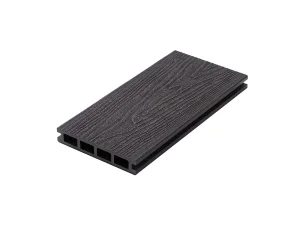
EclipseGrain Poolside UV-Resistant Foundation Decking
Technical Specs
EclipseGrain Hydrophobic Terrace Platform Boards
Technical Specs
MiniStar Weather-Proof Modular Garden Storage Module
Technical Specs
MiniStar Lockable Tool & Equipment Habitat Cabin
Technical Specs
RidgeStar Heavy-Snow Load Architectural Tiny Outpost
Technical Specs
CeilingStar Structural Modular Tool & Bike Outbuilding
Technical Specs