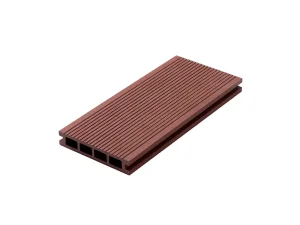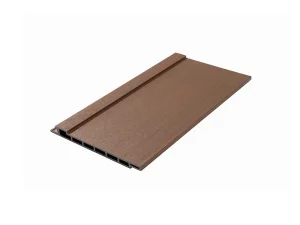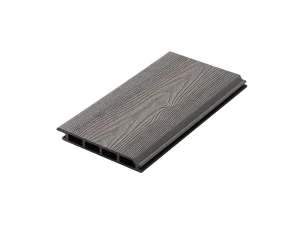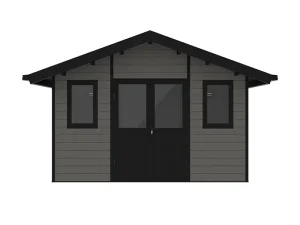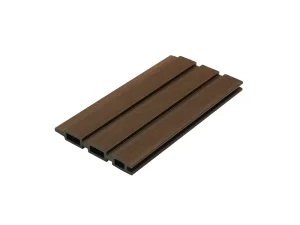
Engineered Decking & Storage Architecture: Top Systems
Explore commercial-grade teak-tone WPC systems, heavy-duty outdoor tool structures, and modular components delivered direct from verified production lines.
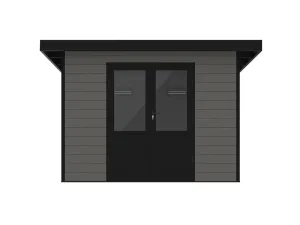
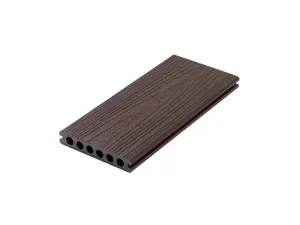
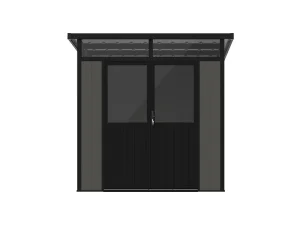
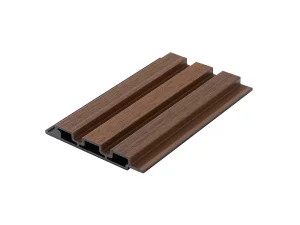
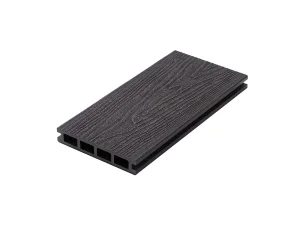
Global Teak Deck Industry Evolution: Synthetic Transformation
The transition from vulnerable old-growth Burmese teak to hyper-engineered synthetic and composite alternatives represents a defining paradigm shift in marine, luxury hospitality, and urban architectural sectors.
Supply Chain Realities & Sanctions
Global regulatory tightening, including EU Timber Regulations (EUTR) and US Lacey Act enforcements, has made raw teak logging volatile and ethically compromised. Leading B2B buyers require deterministic supply lines capable of replicating the dimensional golden-grain appearance of classic yacht timber without harvesting virgin tropical forests.
Co-Extrusion Shield Technology
Traditional teak decks deteriorate rapidly under solar radiation, salt crystallization, and bio-film build-up, demanding perpetual caustic washing and sanding. Modern polymer capping chemically encases 360 degrees of the core, resisting 3,000+ hours of accelerated QUV weathering while preserving barefoot anti-slip textures.
Total Life-Cycle Cost Rationalization
Enterprise procurement analysis demonstrates that while initial material acquisition costs of top-tier composite teak decks parallel premium timber, operational maintenance outlays over a 15-year operational lifecycle drop by up to 78%, eliminating sanding cycles, re-caulking, and hazardous bio-acid wash routines.
Enterprise Sourcing Architecture: Comparative Engineering Analysis
Quantitative material benchmarking engineered for naval architects, civil project estimators, and hotel group development directors.
| Evaluation Parameter | Natural Teak Wood (Tectona grandis) | Forestar Capped Engineered Composite | Procurement Advantage |
|---|---|---|---|
| Moisture Absorption (24h immersion) | 18.5% – 28.0% (Cellular swelling) | < 0.5% (Non-porous polymer shield) | Zero Decay Risk |
| Thermal Stability & Expansion | Anisotropic contraction / splitting | Calibrated coefficient (0.035 mm/m°C) | Clip-Compensated |
| UV Degradation Resistance | Oxidizes to silver-grey in 3–6 months | ΔE < 3 after 2,000 hrs Xenon Arc exposure | High Color Retention |
| Toxicity & Maintenance Impact | Requires regular toxic teak-cleaners & oils | Inert clean water / neutral surfactant wash | LEED v4.1 Credits |
| Slip Resistance (Pendulum Test) | PTV 36+ (Dry), PTV < 28 (Algae-wet) | PTV 45+ Wet (Custom woodgrain micro-emboss) | Public Safety Compliance |
Global Certification, Localization & Quality Governance
Operational standardizations designed to eliminate cross-border customs bottlenecks, ensure municipal safety compliance, and support international engineering specifications.
Intertek & SGS Verification
Every production run undergoes systematic flexural modulus checks (ASTM D790), cyclic freeze-thaw endurance assessments (-40°C to +60°C per EN 15534), and heavy metal non-leaching assays under European REACH Annex XVII regulations.
Localized Importer Portals
Providing direct OEM/ODM tailored logistics including customized board lengths (up to 5.8m to optimize 40HQ container loadability), private-label barcodes, localized installation guide translations, and container-consolidation across decking, cladding, and sheds.
Full Traceability Documentation
Supply chain transparency provided via Mill Test Certificates (MTC), origin documentation, and raw polymer verification declarations that streamline clearance processes across North America, Europe, Australia, and Middle Eastern ports.
Engineering Roadmap: The Next Frontier of Teak Composites
Strategic development targets from our Xuancheng manufacturing laboratories, integrating infrared-reflective chemistry, bio-based matrix polymers, and acoustic dampening.
Cool-Touch Infra-Shield
Integration of infrared-reflective pigments in teak and dark hardwood profiles, decreasing surface heat buildup by up to 12°C in high-sunlight regions.
Bio-Carbon Circular Cores
Advancing up to 95% post-consumer polymer blending combined with certified FSC wood flour, driving project carbon offsets for corporate LEED/BREEAM scoring.
Marine Sound-Absorption Backing
Integrated micro-cellular elastomeric underlays to eliminate hollow synthetic footstep noise on pontoon walkways, luxury motor yachts, and elevated hotel terraces.
Self-Healing Smart Caps
Micro-capsule polymer surface layers designed to reseal shallow mechanical abrasions when exposed to radiant sunlight, extending aesthetic lifespan past 30 years.
Frequently Asked Questions: Technical & Sourcing Authority
In-depth responses clarifying the material mechanics, order logistics, and structural performance of engineered teak and composite systems.
How does engineered composite teak replicate authentic teak grain without pattern repeats?
Our production incorporates multi-axis CNC engraved rollers with multi-tonal, dual-pigment co-extrusion capping. This process introduces subtle, non-repetitive micro-veining and varied chromatic depth directly into the shield layer, achieving the authentic warm variance of natural teak without identical pattern duplication across adjacent boards.
What substructure spacing is mandatory for high-traffic or commercial installations?
For standard residential deck installations, a joist center-to-center spacing of 350mm to 400mm is recommended. For high-traffic commercial promenades, marina docks, or 45-degree diagonal laying patterns, substructure joists must be tightened to 300mm on-center to prevent board deflection under high static or dynamic loads.
How does the capped composite resist marine saltwater environment degradation?
Unlike wood, where saltwater deposits dry, crystallize, and pry open cellular micro-fissures (leading to grain lifting and splintering), our high-density polyethylene polymer shell is chemically non-reactive to sodium chloride. Salt crusting does not penetrate the matrix and is removed via standard low-pressure freshwater washdown.
Can mixed containers combining decking, sheds, and wall cladding be consolidated?
Yes. As an end-to-end manufacturing partner, we regularly support consolidated container packing. Distributors and project contractors can load customized ratios of composite teak deck boards, hidden fastening accessories, exterior wall cladding panels, and flat-pack garden shed kits in a single 40ft High Cube container to optimize shipping economics.
Architectural Cladding, Deck Profiles & Perimeter Defense
Complete your design perimeter with factory-direct anti-slip decking boards, UV-shielded wall façades, and heavy snow-load rated modular structures.