
Engineered Modular Exterior & Envelope Building Systems
Precision-extruded components, capped polymer composites, and prefabricated structural kits engineered directly by Anhui Fumeida New Material Technology Co., Ltd. (Forestar) for worldwide modular living compliance.
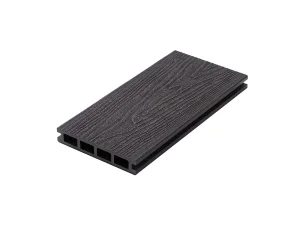
EclipseGrain Poolside UV-Resistant Decking
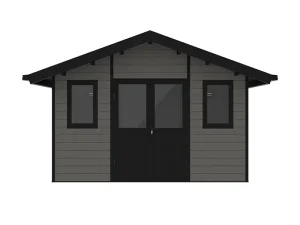
RidgeStar Heavy Snow Load Garden Shed
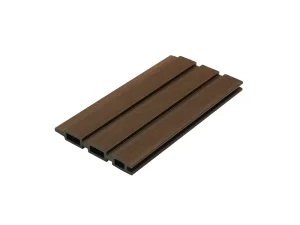
Architectural WPC Hidden Fastener Privacy Fencing
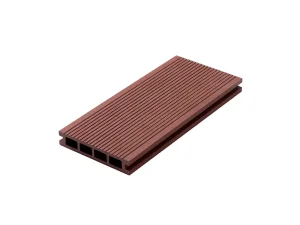
TimberFlow Engineered Anti-Slip Composite Boards
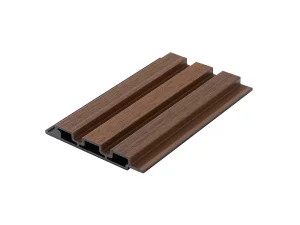
CrestWall Exterior Façade Cladding Solutions
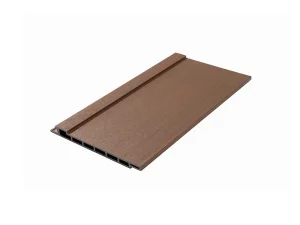
FORESTAR SlatWeave Dual-Use Architectural Cladding
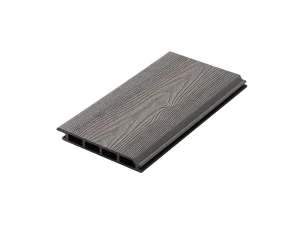
PlaneSleek UV-Shield Micro-Groove Wall Panels
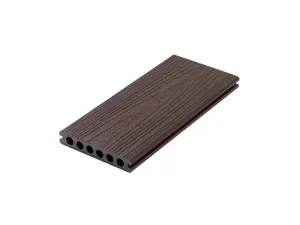
TerraShield Heavy-Footfall Structural Composite Decking
The Engineering Paradigm Shift in Modern Tiny House Manufacturing
From backyard DIY carpentry to aerospace-tolerance industrialized volumetric prefabrication: how modern composite materials and automated assembly lines have solved the durability, compliance, and thermal comfort challenges of small-footprint living.
Precision Volumetric Prefabrication
Traditional on-site small home construction suffers from unpredictable field conditions, severe weather delays, and structural inaccuracies that lead to air leakage, moisture penetration, and thermal bridges. Modern tiny house manufacturing replaces erratic manual carpentry with factory-controlled automation.
By leveraging light-gauge steel framing (LGSF), laser-cut cold-rolled channels, and robotic jig assembly, modern factories achieve dimensional tolerances within ±1.0mm. This geometric accuracy guarantees flawless fitment of modular components, airtight building envelopes, and seamless integration of prefabricated envelope panels.
Composite Outer Envelope Science
The exterior skin of a tiny home represents its first line of defense against severe climate exposure. Standard timber sidings degrade quickly under ultraviolet degradation, warp under cyclic humidity, and require bi-annual painting or chemical preservation treatments.
Forestar manufactures high-density wood-plastic composite (WPC) cladding, decking, and architectural louvers incorporating up to 90% reclaimed cellulose and recycled polyolefin matrices. Co-extruded with an impenetrable fluoropolymer outer shield, these elements offer zero-rot endurance, Class B1 fire performance, and hydrophobic protection against harsh coastal salt spray.
High Energy Yield & Off-Grid Efficiency
Due to their high surface-area-to-volume ratio, tiny houses require hyper-engineered thermal insulation systems to prevent extreme internal temperature swings. Modern factories utilize closed-cell polyurethane (PU) injection, rockwool cores, and continuous thermal break isolators.
Integrated with low-emissivity argon-filled double glazing, heat-recovery ventilation (HRV), and solar photovoltaic micro-inverter arrays, prefabricated tiny houses achieve passive house insulation metrics (U-values below 0.18 W/m²K), slashing HVAC energy consumption by up to 75% relative to conventional builds.
Why Global B2B Enterprises Source Tiny House Systems from China
Strategic raw material integration, high-tonnage robotic extrusion, automated CNC light-gauge frame roll-forming, and containerized flat-pack logistics provide an unbeatable cost-performance benchmark.
Complete Upstream & Downstream Integration
China accounts for over 65% of the world's precision wood-plastic composite extrusion capacity and advanced modular housing steel frames. At our manufacturing headquarters—Anhui Fumeida New Material Technology Co., Ltd. in Xuancheng, Anhui—the entire fabrication workflow is vertically unified under one quality control system.
From polymer granule blending and recycled wood powder processing to heavy automated extrusion, surface embossing, thermal cladding calibration, and CNC chassis integration, internalizing every manufacturing step eliminates third-party markups and guarantees absolute batch-to-batch color stability.
Optimized Container Logistics & Flat-Pack Kits
Transporting fully volumetric buildings internationally across maritime routes often incurs prohibitive break-bulk or flat-rack shipping surcharges. Chinese engineering innovators have revolutionized modular shipping through knocked-down (KD) and semi-volumetric flat-pack kits.
Our outdoor garden sheds, modular habitable pods, and micro-housing structures are precision-dimensioned to fit within standard 40-foot High Cube (40HC) intermodal shipping containers. By maximizing volumetric packaging density, logistics expenses per square meter of usable floor space are slashed by up to 60%.
| Evaluation Parameter | Forestar China Factory Industrial System | Western Site-Built Tiny Houses | Generic Competitor Prefab |
|---|---|---|---|
| Dimensional Precision | ✓ ±1.0mm Automated CNC Tolerance | ±10.0mm to ±25.0mm Manual Variance | ±5.0mm Semi-manual Assembly |
| Envelope Weatherability | ✓ 25+ Years Co-Extruded Capped WPC | Rot-prone Treated Softwood / Pine | Uncapped WPC / Thin PVC Siding |
| Lead Times (20-Unit Fleet) | ✓ 25 - 35 Production Days | 9 - 14 Months On-site Work | 60 - 90 Days Fragmented Supply |
| Total Cost of Ownership | ✓ Zero Annual Staining or Painting | High Recurring Maintenance / Sealing | Frequent Fastener Corrosion Repairs |
| Statutory Compliance | ✓ CE, ISO9001, REACH, ASTM Tested | Custom Engineer Stamp Required Each Time | Partial / Non-audited Regional Certificates |
Meeting the Rigorous Demands of Institutional B2B Buyers
Hotel developers, ecotourism resort operators, residential ADU distributors, and municipal infrastructure buyers require industrial predictability, scalable manufacturing capacity, and ironclad testing verifications.
Private Labeling & Profile Customization
Enterprise buyers rarely purchase off-the-shelf retail products. They require proprietary extrusion dyes, specific architectural colorway pantones, customized multi-ribbed profiles, and branded retail packaging for regional hardware distribution networks.
Forestar operates internal tooling workshops capable of developing, testing, and calibrating custom extrusion molds within 20 working days. We support wholesale private labeling, tailored fastener hardware integrations, and bespoke length cuts to minimize on-site scrap material for large developers.
Full Batch Traceability & Lab Testing
When rolling out a multi-million-dollar glamping resort or an authorized ADU distribution program, material failure is catastrophic. B2B contracts require exhaustive testing data validating tensile modulus, flexural strength, water absorption percentages, and xenon-arc accelerated UV weathering.
Every production batch processed in our Xuancheng facility is logged with full raw-material traceability. Samples undergo continuous 24-hour boiling tests to ensure zero delamination, accompanied by complete mill test certificates (MTC), third-party SGS/Intertek inspection reports, and REACH SVHC declarations.
Turnkey Consolidated Shipments
One of the greatest inefficiencies in prefabricated micro-housing procurement is fragmented sourcing—purchasing exterior cladding from one supplier, framing from another, and decking from a third. This leads to color mismatches, mismatched fastener systems, and logistical bottlenecks.
Forestar offers unified architectural exterior ecosystems. Importers can consolidate composite decking boards, ventilated wall siding panels, perimeter privacy fencing, and prefabricated outdoor garden shed storage units within single ocean containers, synchronizing delivery directly to the job site.
Before finalizing high-volume containerized procurement orders, enterprise clients are strongly advised to take advantage of our physical sample dispatch program. We recommend testing composite color tones and surface thermal reaction under your target deployment market's native solar irradiance and ambient moisture levels.
Statutory Compliance & International Building Code Harmonization
Navigating zoning approvals, residential tiny house certifications, and strict regional safety mandates across North America, the European Union, the United Kingdom, and Australia.
North America: IRC Appendix Q & HUD ADU Codes
In the United States and Canada, permanent modern tiny homes (under 400 sq.ft.) must align with the International Residential Code (IRC) Appendix Q, governing minimum ceiling heights, emergency escape egress windows, loft stairway dimensions, and fire-resistant separation distances.
Forestar supplies composite wall cladding and decking systems engineered with flame-retardant chemistries meeting ASTM E84 Class B/A flame spread indexes. Our modular framing engineering packages provide full structural calculations for wind gusts up to 130 mph and ground snow load ratings up to 50 lbs/sq.ft.
Europe & UK: CE Marking & Part L Thermal Standards
The European market enforces strict CE marking under EN 14041 and EN 15534 for wood-plastic composite elements, alongside UK Building Regulations Approved Document Part L for conservation of fuel and power.
Our composite products comply with REACH chemical limits, ensuring zero toxic formaldehyde or heavy metal off-gassing. Furthermore, Forestar’s rainscreen exterior cladding integrates continuous ventilated cavities that mitigate condensation risks in accordance with BS 5250 moisture control protocols in cold climates like Finland and the UK.
Australia & New Zealand: NCC & AS/NZS Standards
Oceania presents severe ultraviolet degradation and bushfire hazards under the National Construction Code (NCC). External materials deployed in bushfire-prone zones require validation under AS 3959 for Bushfire Attack Level (BAL) ratings.
Forestar’s TimberFlow and TerraShield composite formulas incorporate anti-photooxidation agents that resist extreme UV radiation in Australia and Chile. Anti-slip textured surfaces achieve AS 4586 Class P4/P5 wet pendulum slip ratings, ensuring absolute safety for poolside and outdoor terrace installations.
High-Yield Commercial Application Scenarios
Strategic applications where modular tiny house factories and composite building assemblies deliver unmatched capital returns, compressed construction timelines, and decade-long durability.
Luxury Ecotourism & Glamping Resorts
Developers building luxury off-grid wilderness retreats in mountainous, coastal, or desert regions face extreme site access constraints. Building conventional concrete-and-brick structures destroys pristine native landscapes and incurs astronomical remote-contractor labor fees.
Prefabricated modern tiny houses paired with Forestar WPC terrace decking and weather-resistant wall cladding are installed on low-impact ground screw pilings within 48 hours. The zero-maintenance composite surfaces resist high seasonal turnover, sun lotion stains, hot tub splashes, and harsh weather without ever needing sanding or re-varnishing.
Urban ADUs & Rental Yield Expansion
Across metropolitan zones in North America and Australasia, updated zoning laws have unlocked fast-track approvals for Accessory Dwelling Units (ADUs). Homeowners and property investors are monetizing underutilized backyards into high-yield long-term rentals or multi-generational granny flats.
Factory-built tiny home structures ensure quiet, rapid assembly that minimizes neighborhood disturbance. Integrated with Forestar CrestWall cladding and MiniStar outdoor storage units, the turnkey exterior retains an architectural, contemporary look that commands premium rental yields.
Disaster Relief & Rapid Community Deployment
When natural disasters or emergency housing crises occur, municipal authorities require rapidly deployable, sanitary, insulated, and structurally robust emergency shelters that can withstand harsh winters and severe storms.
Our modular shed and micro-pod designs serve as high-durability temporary accommodation units. Shipped flat-packed in high-density container loads, four workers can erect a fully insulated, waterproof shelter complete with lockable doors in less than four hours, providing dignity and security far superior to soft-wall disaster tents.
Next-Generation Trends Shaping Industrialized Micro-Living
Technological convergence in building-integrated photovoltaics (BIPV), closed-loop biocomposites, and IoT-driven home automation are redefining sustainable modern architecture.
Building-Integrated Photovoltaics (BIPV)
The aesthetic objection to bulky, rooftop-mounted solar panels has catalyzed the adoption of BIPV thin-film technologies. Tomorrow's leading tiny house factories are embedding photovoltaic solar cells directly into composite roof shingles and ventilated wall cladding panels.
Combined with high-density lithium iron phosphate (LiFePO4) energy storage banks and intelligent DC microgrids, future modern tiny homes achieve true net-zero energy status, operating completely off-grid indefinitely without sacrificing architectural elegance.
100% Circular Closed-Loop Bio-Composites
As global ESG reporting mandates tighten, institutional buyers must prove the low embodied carbon of their physical assets. Traditional timber construction leads to deforestation and chemical leaching from toxic copper-based pressure treatments.
The composite industry is advancing toward full end-of-life circularity. Forestar currently utilizes up to 90% recycled post-industrial wood fiber and reclaimed HDPE polymers. At the conclusion of a building's 30-year operational life, these composite envelope systems can be reground, re-extruded, and remanufactured with zero landfill disposal.
AI-Managed Environmental Micro-Climates
Small living spaces suffer from rapid CO2 concentration and humidity spikes when occupants are inside. Modern factory-assembled tiny homes integrate smart home micro-controllers equipped with VOC, humidity, and temperature sensors.
Automated energy recovery ventilators dynamically balance fresh air exchanges while recapturing up to 88% of ambient thermal energy. Integrated hydronic radiant floor heating paired with Forestar composite flooring creates maximum spatial comfort without consuming precious wall space.
High-Durability Exterior Hardware, Outbuildings & Cladding
Explore the second tier of Forestar's engineered building products, encompassing lockable outdoor storage systems, high-traffic commercial decking boards, and weather-sealed architectural screening.
FORESTAR SlatWeave Residential Deck Cladding
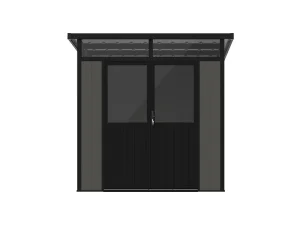
MiniStar Heavy-Duty Lockable Composite Shed
TimberFlow High-Traction Commercial Decking
MiniStar Precision Modular Garden Storage Pod
PlaneSleek Extreme UV Shield Exterior Façade
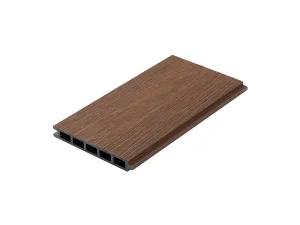
HorizonLine Interlocking WPC Screening Panels
MiniStar Factory-Direct Weatherproof Outbuilding
CrestWall Exterior Envelope Composite Siding
B2B Sourcing, Engineering & Logistics Inquiries
Authoritative answers to the most frequent procurement, structural engineering, statutory compliance, and maritime logistics questions asked by global distributors and developers.