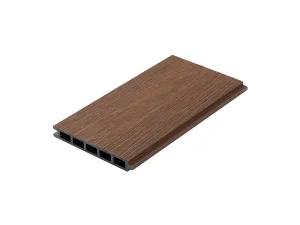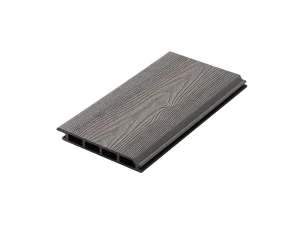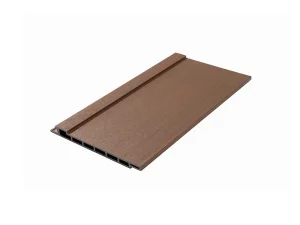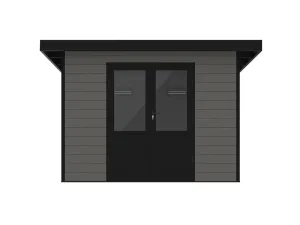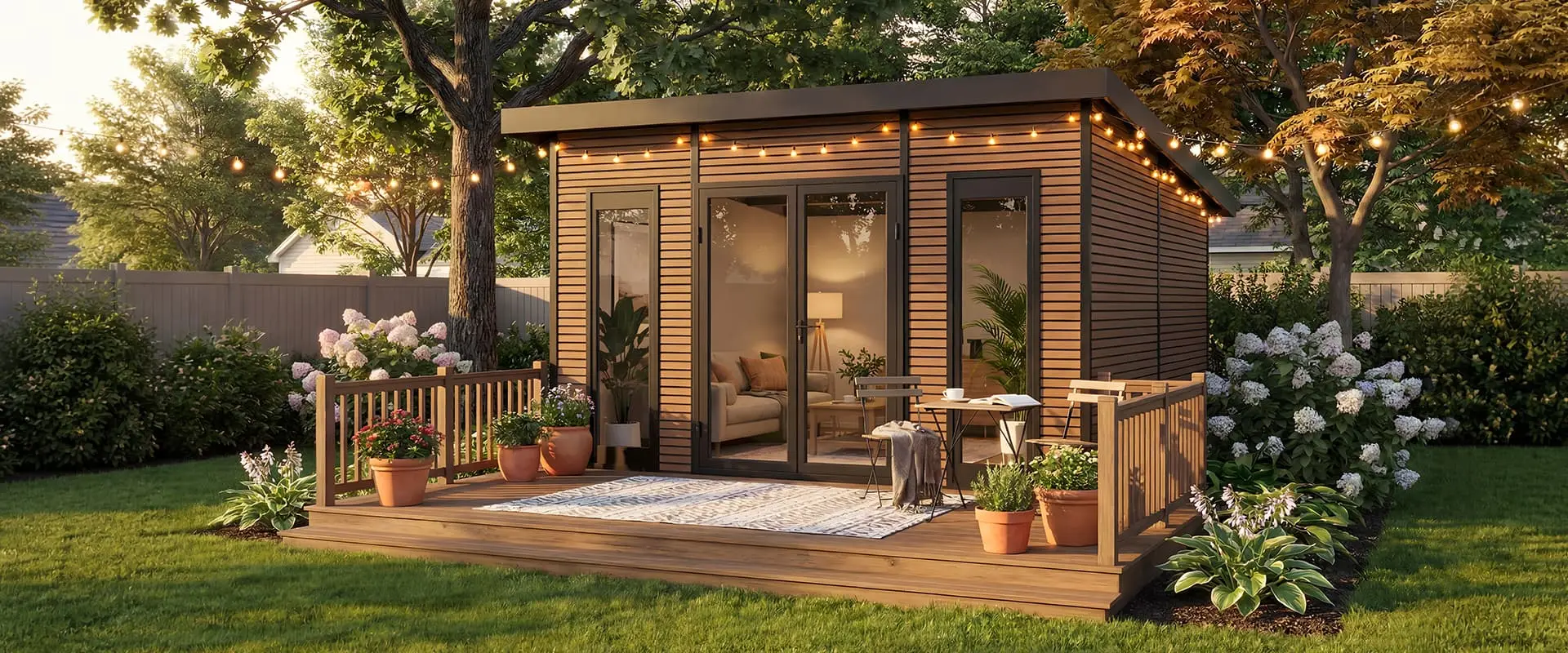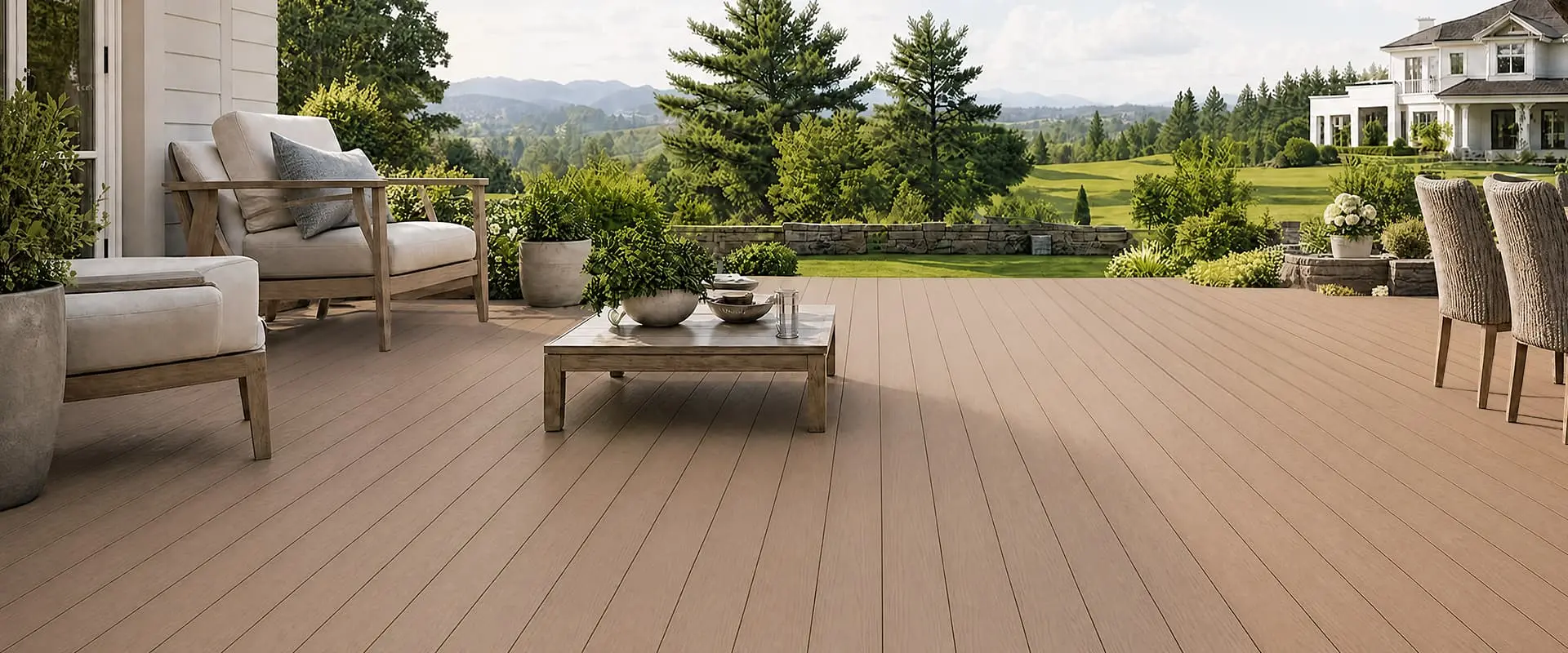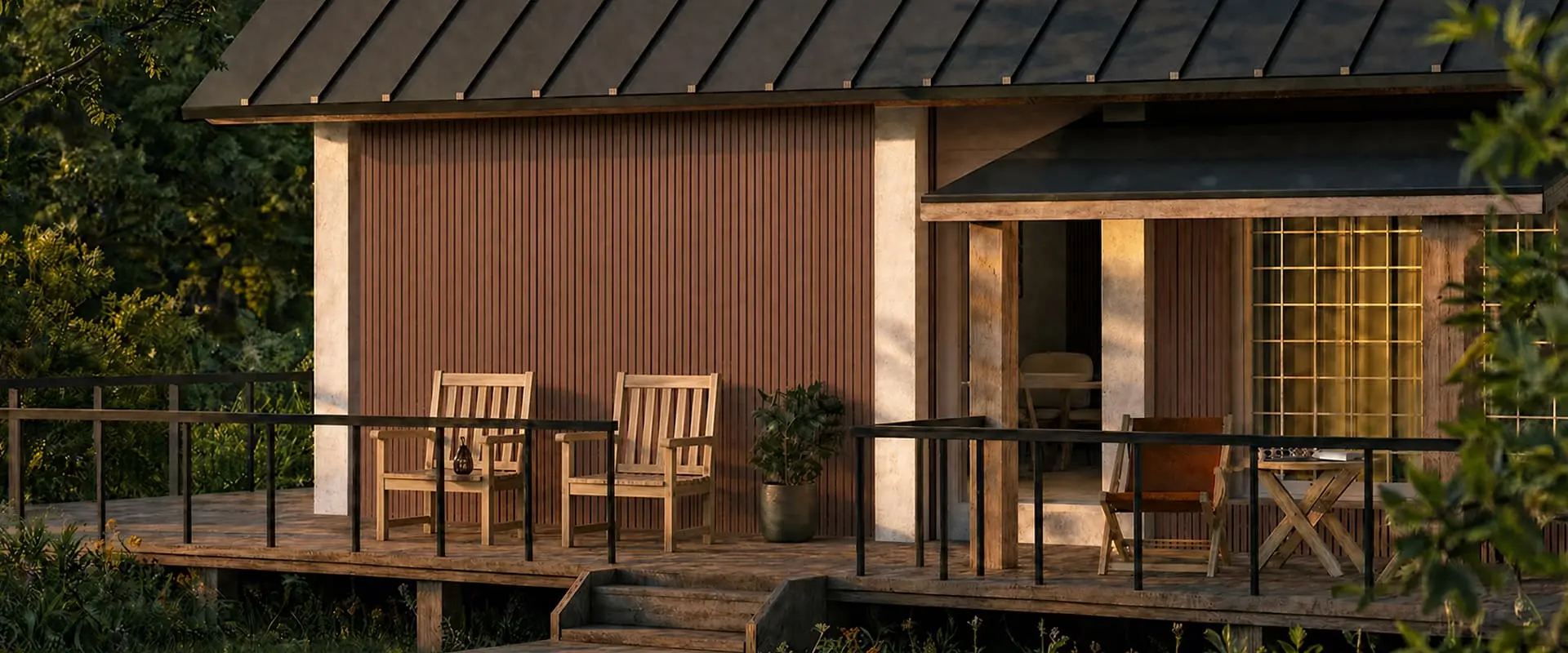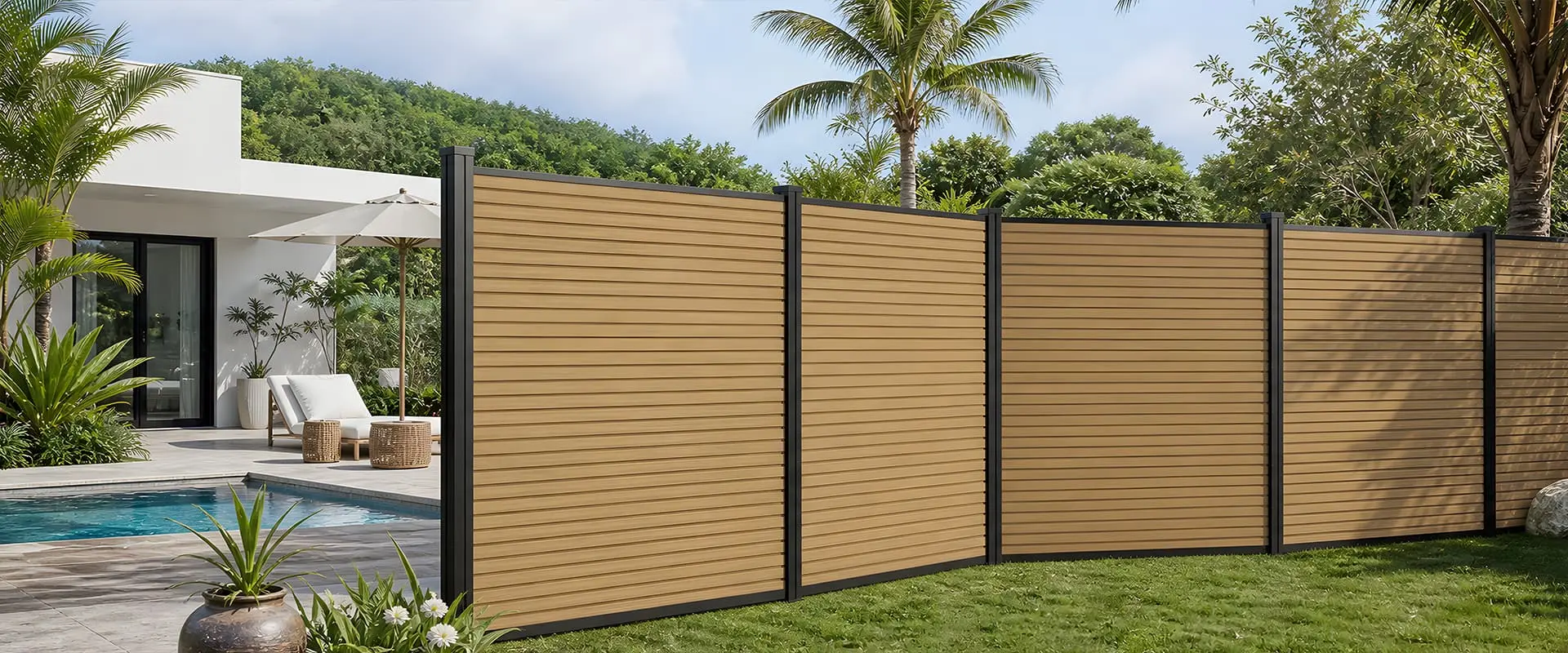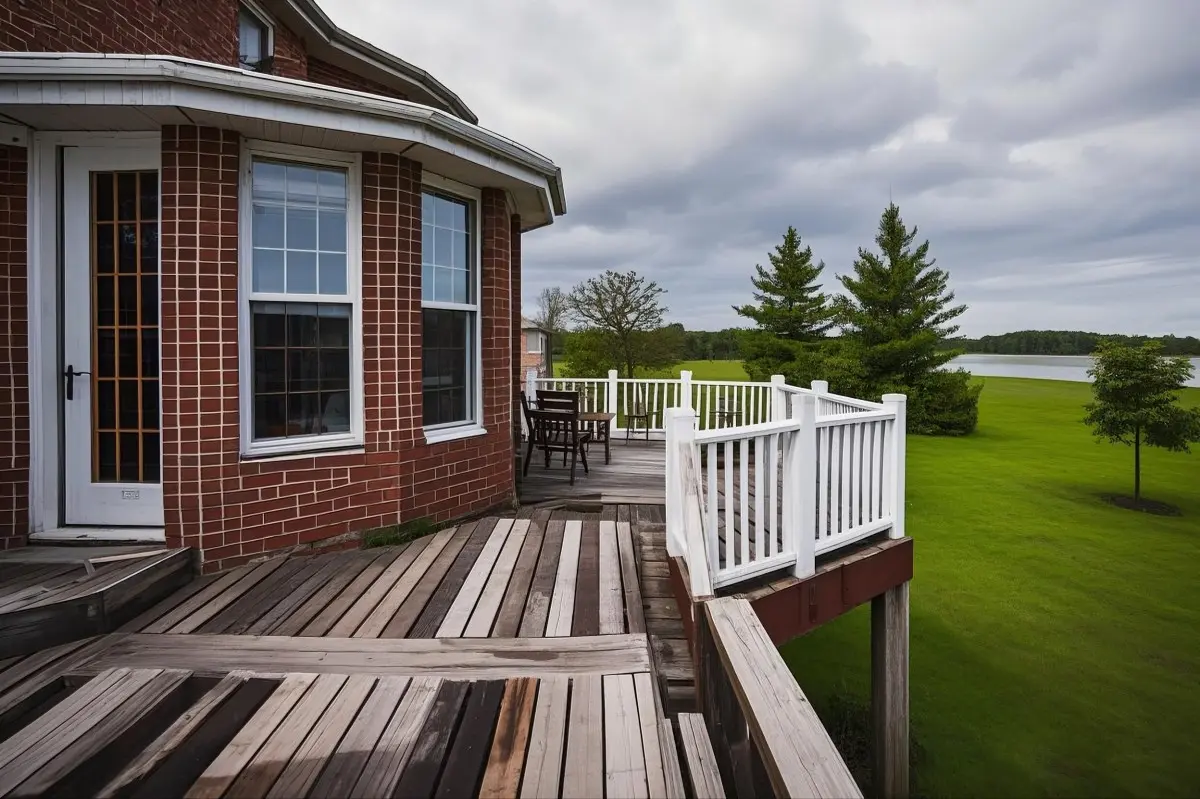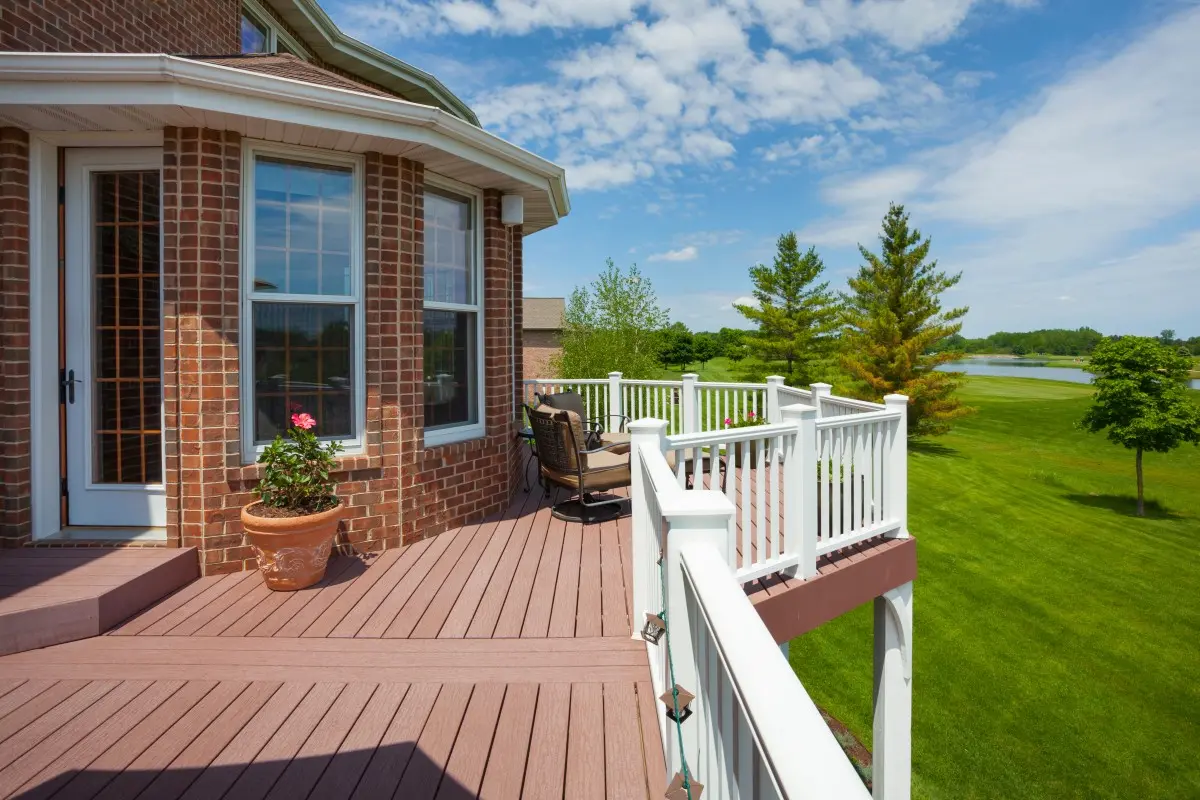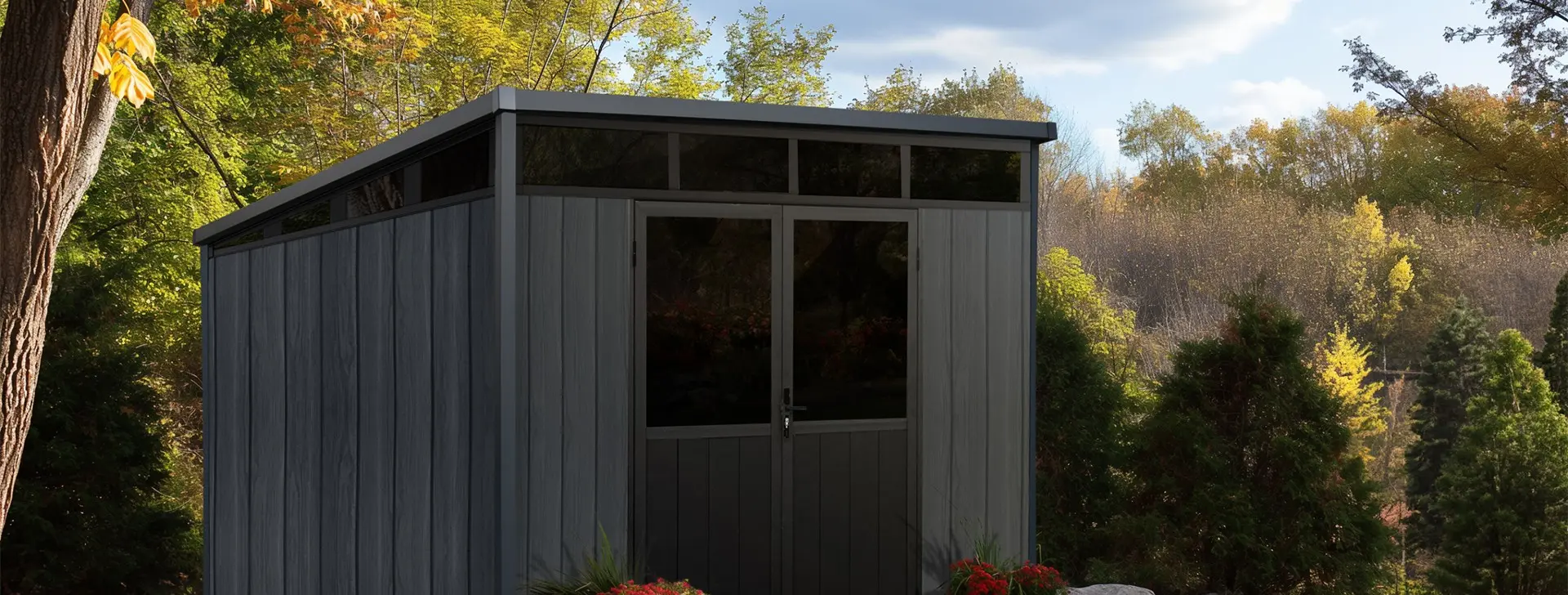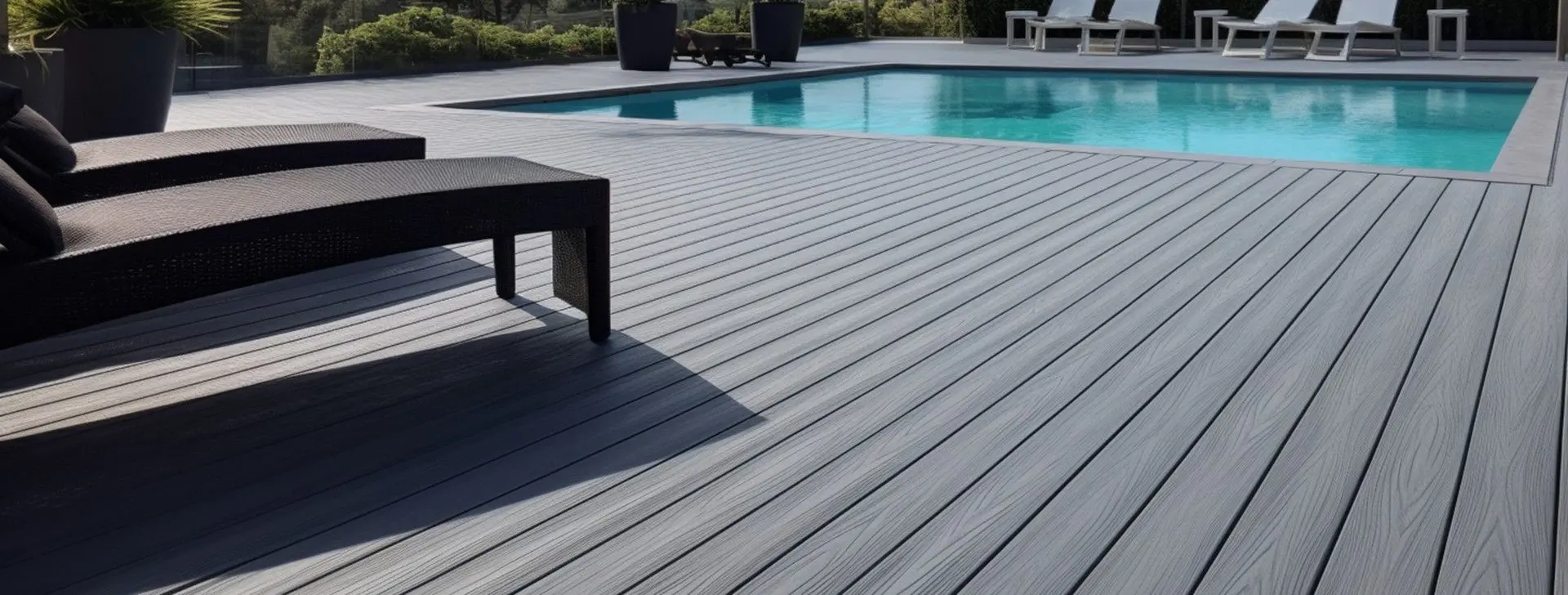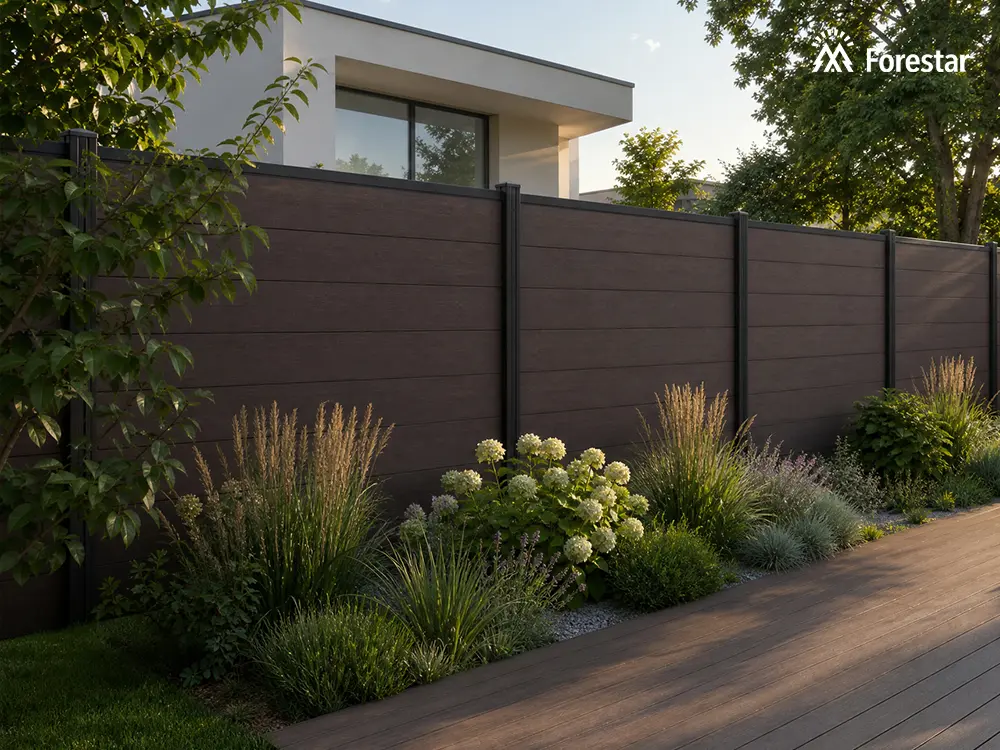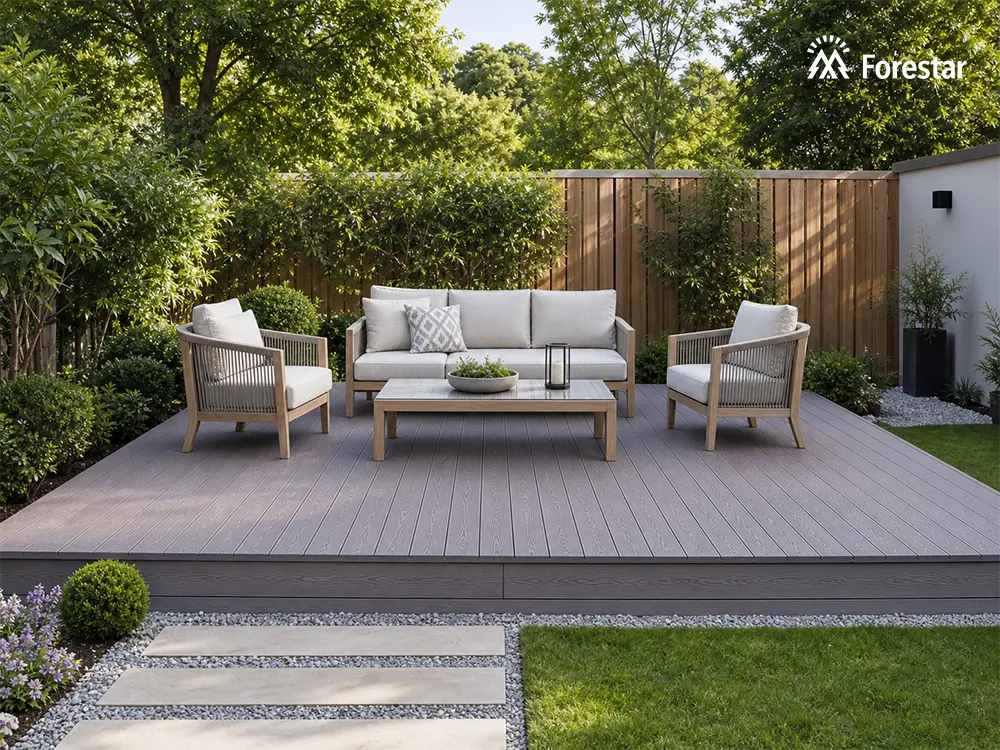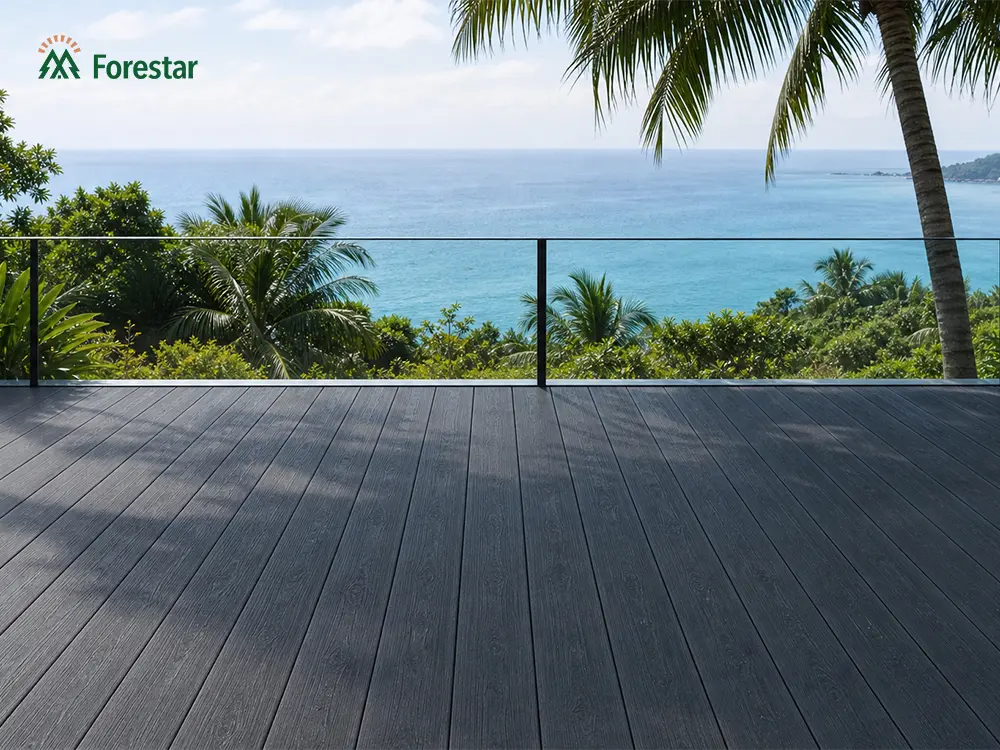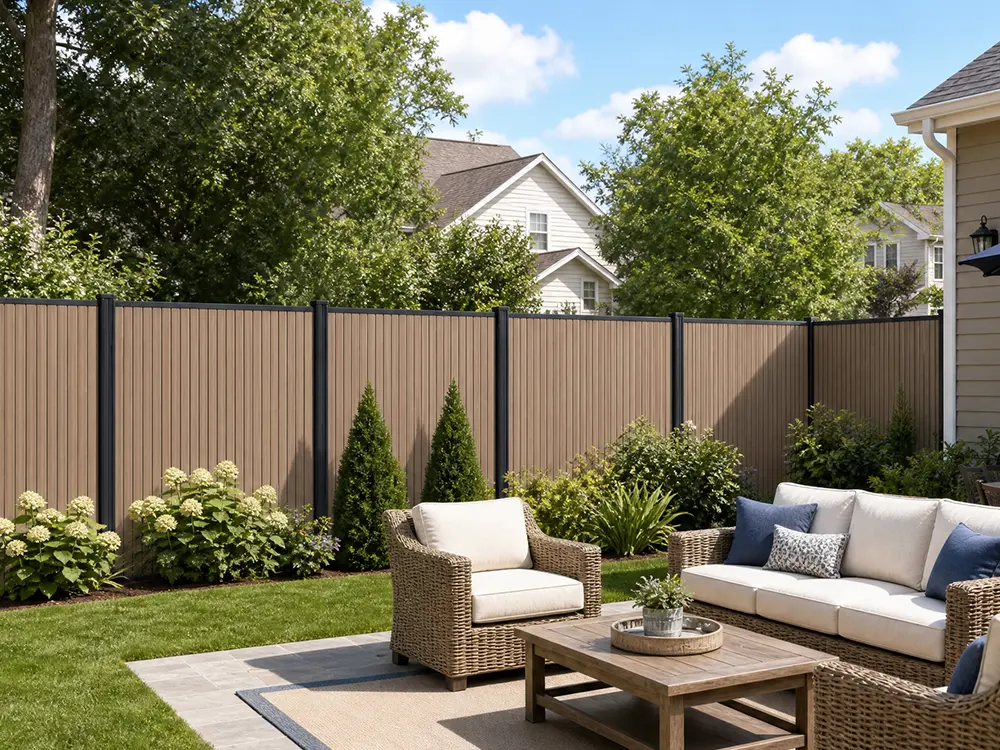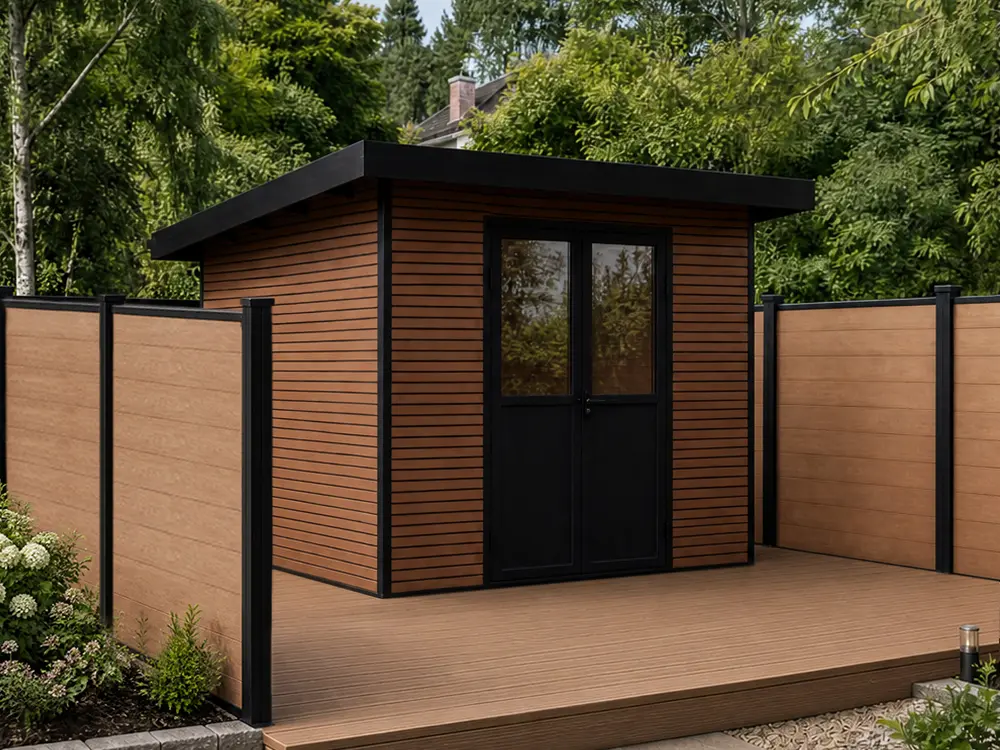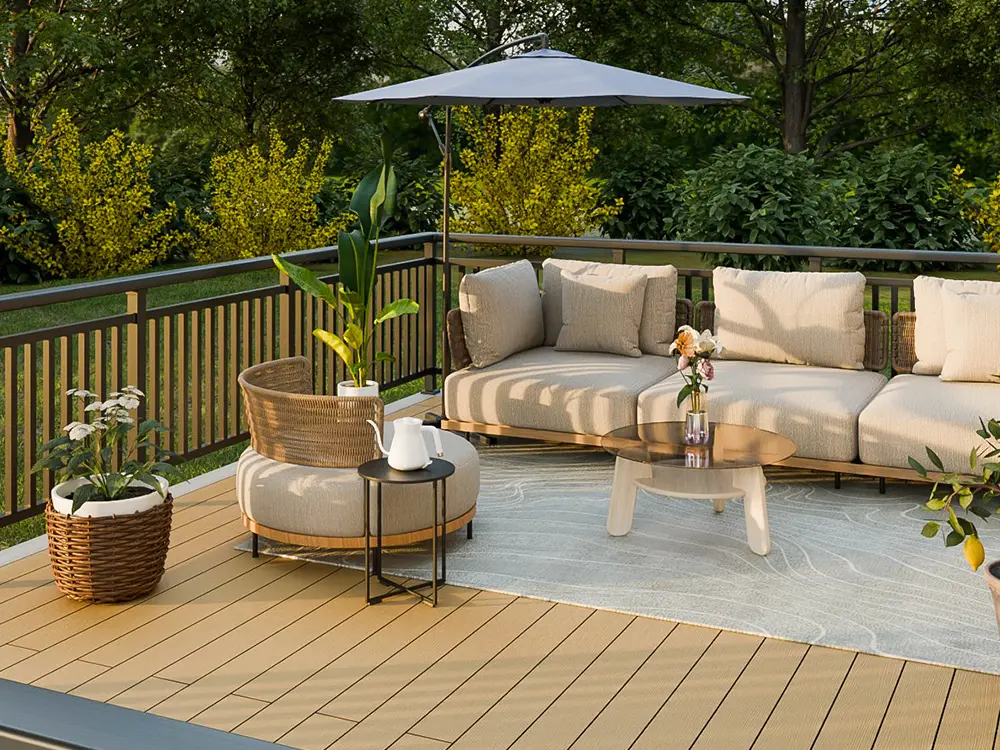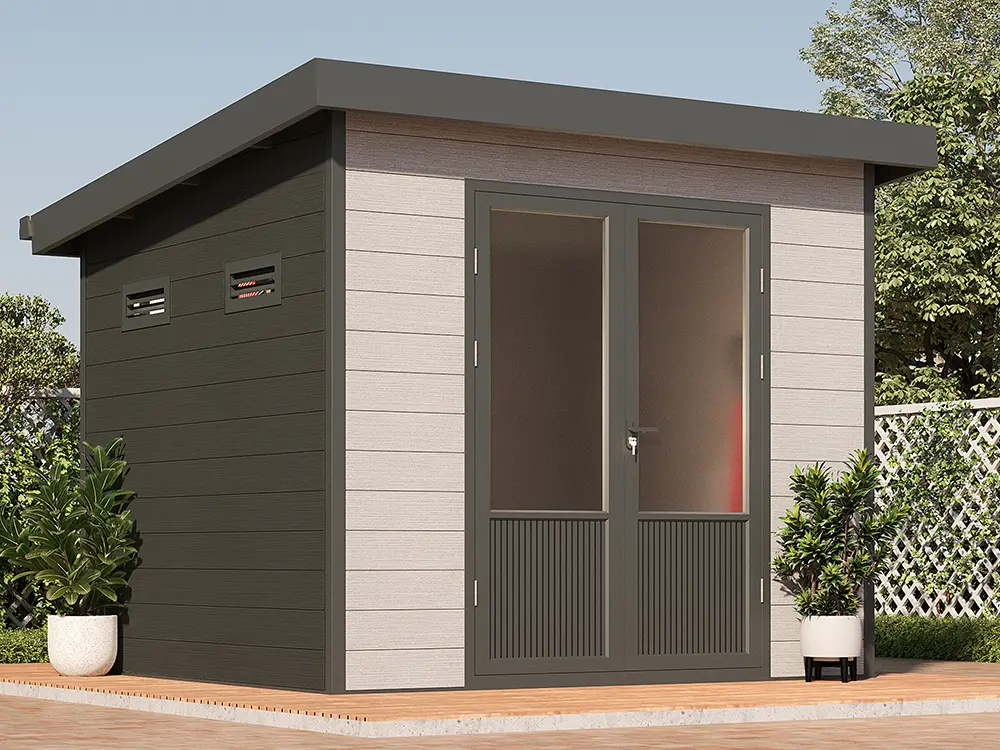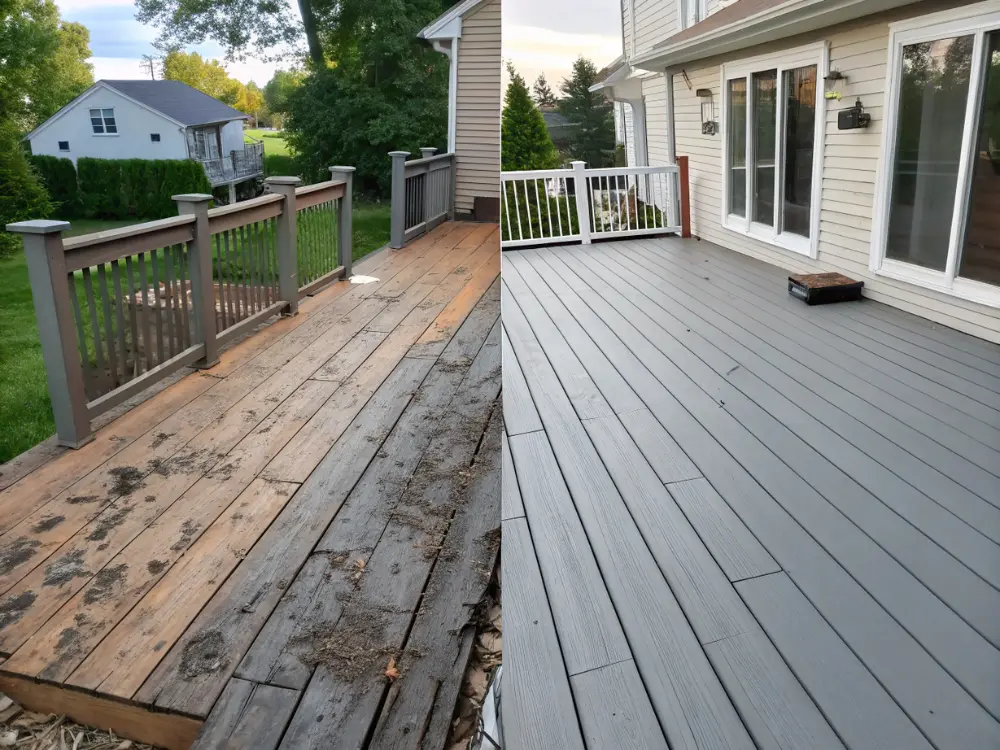
Featured Modular Envelope & Decking Components
Direct factory extrusion solutions engineered for tiny house chassis integration, multi-climate weather envelopes, and high-load performance exterior flooring.
Executive Synthesis: The Industrialization of Tiny Home Construction
The global small-scale structural and modular living paradigm has undergone a seismic shift. Once considered a niche artisanal DIY movement, learning how to make a tiny house at commercial scale has transitioned into an automated, precision-driven manufacturing process. For institutional property developers, eco-resort operators, glamping community founders, and municipal accessory dwelling unit (ADU) distributors, sourcing from certified manufacturing plants provides the structural integrity, thermal envelope predictability, and regulatory compliance that site-built stick framing simply cannot guarantee.
At the center of this transformation is Anhui Fumeida New Material Technology Co., Ltd. (Forestar). Established in 2008, Forestar engineers high-performance wood-plastic composite (WPC) claddings, precision tongue-and-groove exterior assemblies, heavy-duty floorboards, and complete structural modular sheds. By integrating up to 90% reclaimed timber fibers and high-density polymers into co-extruded architectural components, Forestar equips tiny house builders with weather-proof, fire-resistant, and aesthetically striking living modules that outlast conventional softwoods in any global biome.
Macro Industry Solutions & Commercial Landscape
Addressing the acute shortages in urban density housing, hospitality development timelines, and rapid deployment disaster response through advanced factory prefabrication.
Urban Densification & ADU Infrastructure
Metropolitan zoning shifts across North America (California AB 1033, Oregon HB 2001) and Europe have legalized Accessory Dwelling Units. Factory-extruded modular homes fit on suburban backyards with micro-footprints, slashing construction congestion and municipal permitting times.
High-ROI Eco-Tourism & Glamping
Boutique hospitality developers require turn-key, hyper-durable cabins capable of withstanding extreme environmental degradation without constant operational upkeep. Capped composite envelopes preserve 5-star aesthetics under corrosive ocean spray and blazing sun.
Emergency Shelter & Transitional Units
When natural disasters strike, displaced communities require rapidly assembled, thermally insulated, pest-proof housing. Precision flat-pack micro-housing modules can be shipped compactly and assembled in hours using basic mechanical anchors.
Global Commercial Reality: Why Site-Built Construction Fails Tiny House Scaling
Traditional stick-built wooden framing for tiny houses exhibits severe failure rates during cross-country transport and prolonged weather exposure. Micro-structures experience intense torsional stresses during transit, and standard dimensional timber expands and contracts dramatically with relative humidity changes. This leads to drywall cracks, frame racking, moisture bridging, and envelope decay.
Industrial manufacturers solve this utilizing precision roll-formed light-gauge steel (LGS) or heavy aluminum skeleton chassis clad in co-extruded wood-plastic composite siding. Wood fibers encapsulated in high-grade polymers resist hygroscopic expansion, guaranteeing that tiny house walls remain plumb, square, and completely impervious to rot, mildew, and termites over decades of rigorous service.
Factory Engineering: How to Make a Tiny House Industrial Process
A step-by-step breakdown of turnkey industrial manufacturing workflows, from structural chassis fabrication to automated composite envelope extrusion.
Stage 1: Chassis & Subframe Engineering
High-tensile galvanized steel chassis or hot-dip zinc-treated steel frames are CNC-welded to prevent highway torsion. Integrated levelers and tie-down anchors establish absolute baseline stability.
Stage 2: Core Enclosure & Thermal Barrier
Structural Insulated Panels (SIPs) or rockwool thermal batt cores achieve R-values from R-15 to R-30. Airtight vapor-permeable membranes balance internal breathability with exterior hydrostatic blocking.
Stage 3: High-Tech WPC Façade Cladding
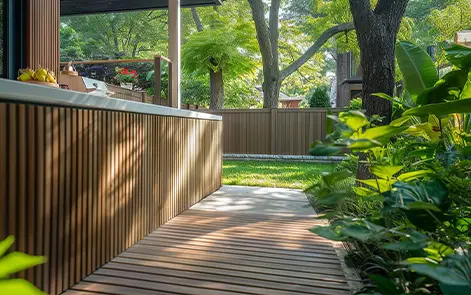
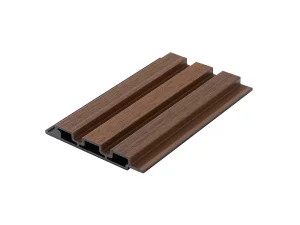
Factory-direct Forestar CrestWall and PlaneSleek WPC cladding boards are mounted via concealed clip systems. Shielded by 360-degree co-extrusion caps, walls resist UV degradation, rain shear, and rock impacts.
Stage 4: Modular Decking & Micro-Storage
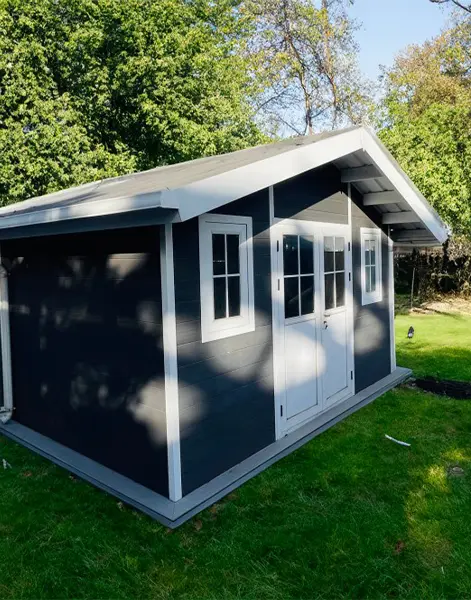
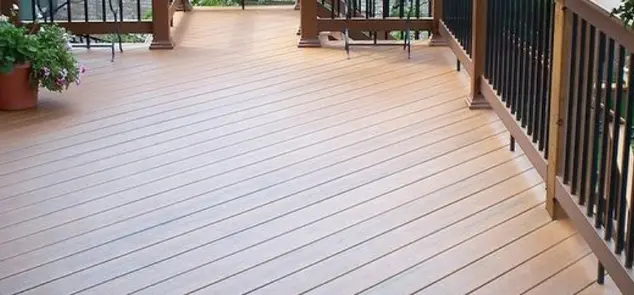
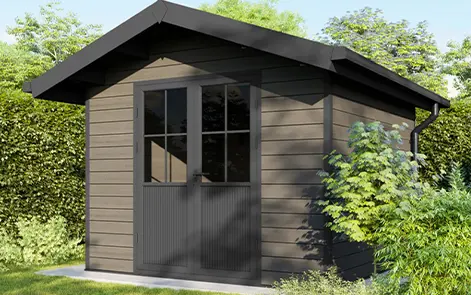
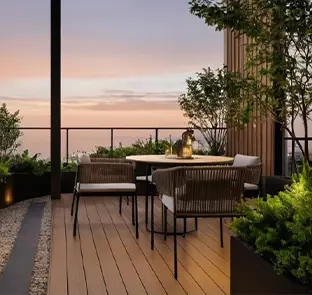
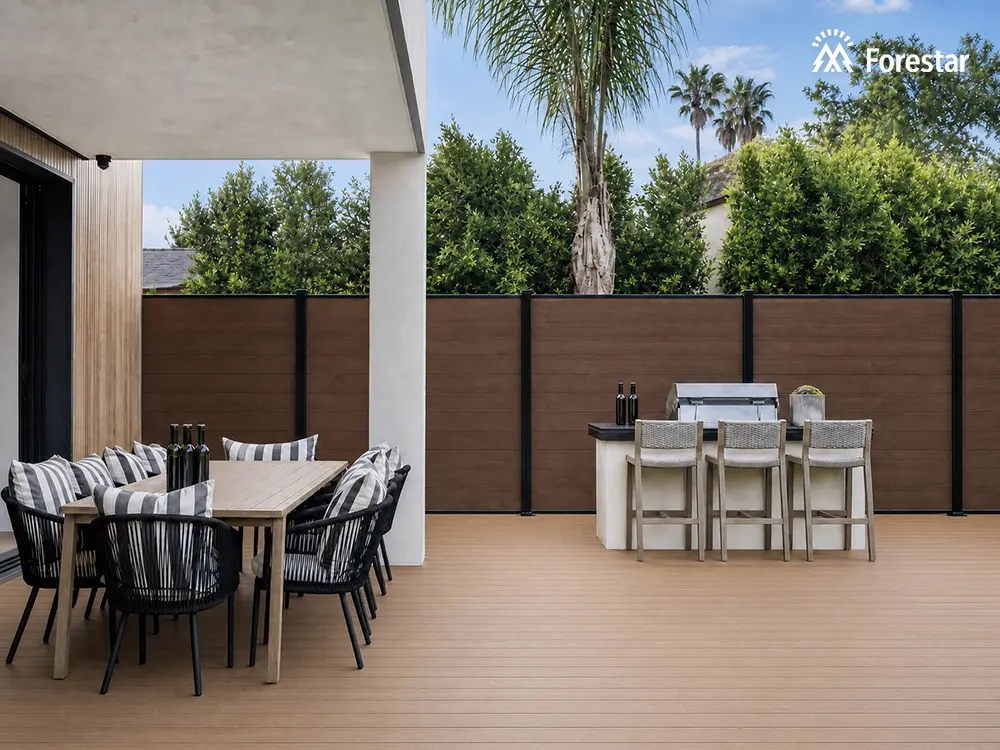
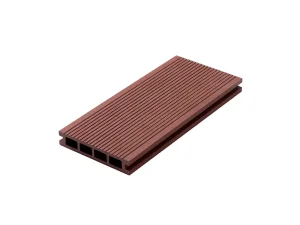
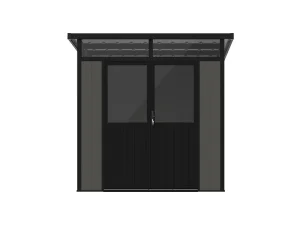
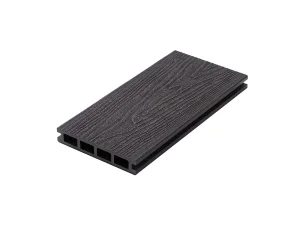
TerraShield and TimberFlow high-traction composite decking boards form durable veranda extensions, while integrated MiniStar and CeilingStar outdoor sheds provide lockable exterior equipment storage.
| Evaluation Parameter | Forestar WPC / Industrial Tiny House | Traditional Timber Stick-Built | Shipping Container Conversion |
|---|---|---|---|
| Thermal Bridging & Insulation | Eliminated; integrated continuous insulation cavities | Moderate; standard thermal stud conduction losses | Severe; extreme corrugated metal thermal conduction |
| Maintenance Cycle | Zero sealing, painting, or oiling; simple water wash | Annual sanding, chemical re-staining, and resealing | Frequent rust mitigation, grinding, and repainting |
| Moisture & Rot Resistance | Impermeable capped polymer shell (0% rot, no fungal decay) | Vulnerable to rot, wood borer beetles, and mold | Prone to internal interstitial condensation puddling |
| Structural Weight-to-Strength | Optimized for road transport regulations & low load | Heavy; prone to racking under transit vibrations | Excessively heavy; difficult crane setup and transport |
| Eco-Footprint & Circularity | Up to 90% recycled plastics and reclaimed wood fibers | Depletes virgin timber; generates significant jobsite scrap | High carbon footprint during intensive welding conversions |
Localization Support, Building Codes & Compliance Assurance
Overcoming jurisdictional regulatory hurdles across world markets through stringent laboratory testing, factory ISO management, and third-party certifications.
North America (USA & Canada)
Engineering compliance designed to align with Appendix Q Tiny Houses (IRC 2021) and HUD ADU zoning standards. Our products satisfy ASTM fire-spread metrics and California Title 24 envelope thermal resistance demands.
European Union (CE & Eurocodes)
Forestar production strictly enforces CE marking, EN 15534 composite standards, and REACH chemical safety directives. Low VOC formulations support credits for BREEAM and DGNB sustainable building rating schemes.
Australasia & High-UV Geographies
Tested for intense UV index durability and extreme freeze-thaw thermal cyclings from the Nordic sub-zero winters of Finland to the blazing desert climates of Texas and Australia.
Commercial & Real-World Application Matrix
Demonstrated architectural deployments validating modular composite superiority across commercial, residential, and industrial environments.
Coastal & Lakefront Glamping Resorts
Salt air, constant marine humidity, and intense summer UV quickly deteriorate conventional wood cottages. By specifying Forestar capped cladding and TerraShield decking, resorts eliminate sanding and seasonal repainting while maintaining premium rates.
Suburban Infill & Multigenerational ADUs
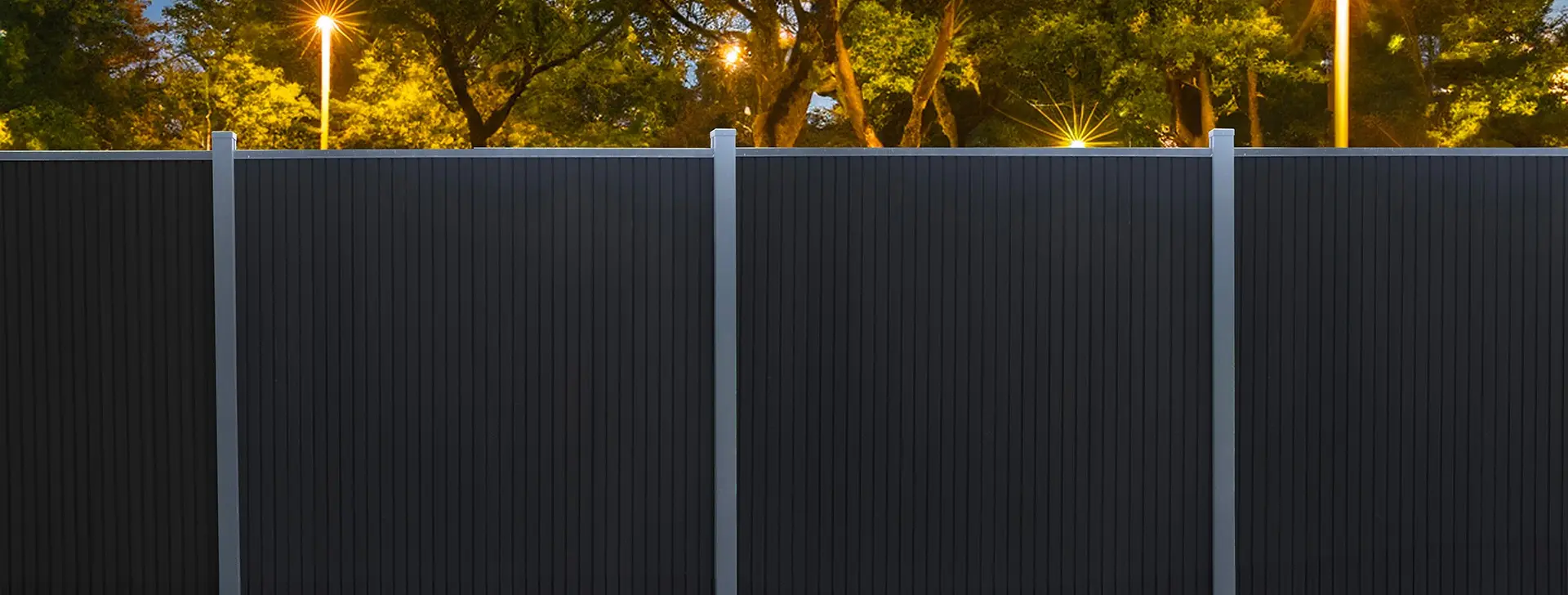
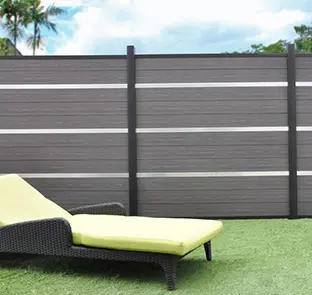
Homeowners maximizing backyard rental yields or building granny flats require rapid assembly without disturbing neighbors. Modular flat-pack sheds and tiny houses erect within days, paired with HorizonLine privacy fencing for seamless acoustic separation.
Remote Field Offices & Telecom Outposts
Mining, forestry, and telecommunication infrastructure installations demand insulated, secure micro-structures in off-grid locations. Our CeilingStar and MiniStar structural shed configurations provide locked, fire-resistant modular hubs.
Technology Roadmap: Next-Generation Micro-Architecture
The convergence of generative AI structural design, smart IoT envelope management, and carbon-negative bio-composite materials.
AI-Driven Generative CAD/CAM Framing
Automated software architectures analyze wind loads, seismic forces, and highway towing stress patterns to optimize structural steel ribs and composite panel thickness down to the millimeter, eliminating raw material waste.
Cool-Touch Thermally Deflective Extrusion
Next-gen co-extrusion technology embeds micro-ceramic heat-reflective pigments into the outer capping layer, reducing exterior wall heat retention by up to 28% and slashing HVAC energy consumption in off-grid solar-powered tiny homes.
Bio-Polymer Matrices & True Net-Zero Housing
Research is actively scaling bio-resins derived from agricultural waste to replace petroleum polymers entirely. Combined with recycled cellulose timber flour, future micro-homes will sequester more carbon than their production emits.
Commercial & Technical Procurement FAQ
Authoritative guidance addressing common questions posed by commercial distributors, building contractors, and real estate developers.
What are the key manufacturing advantages of using WPC panels when making a tiny house?
How does Forestar ensure structural compliance for international building codes?
Can developers order customized colors, profiles, and private-label packaging for large orders?
How are tiny home sheds, cladding, and decks packaged for international ocean freight?
What substructure spacing is required for high-traffic composite tiny home verandas?
Precision Factory Hardware & Micro-Storage Systems
Explore additional certified composite building panels, heavy-duty modular sheds, and fencing panels for turn-key tiny house developments.